
Growing Tension in Military Tribunal Over Alleged Coup Plot Case as Defence Lawyers Face New Restrictions
By A1NEWS International – June 19, 2026
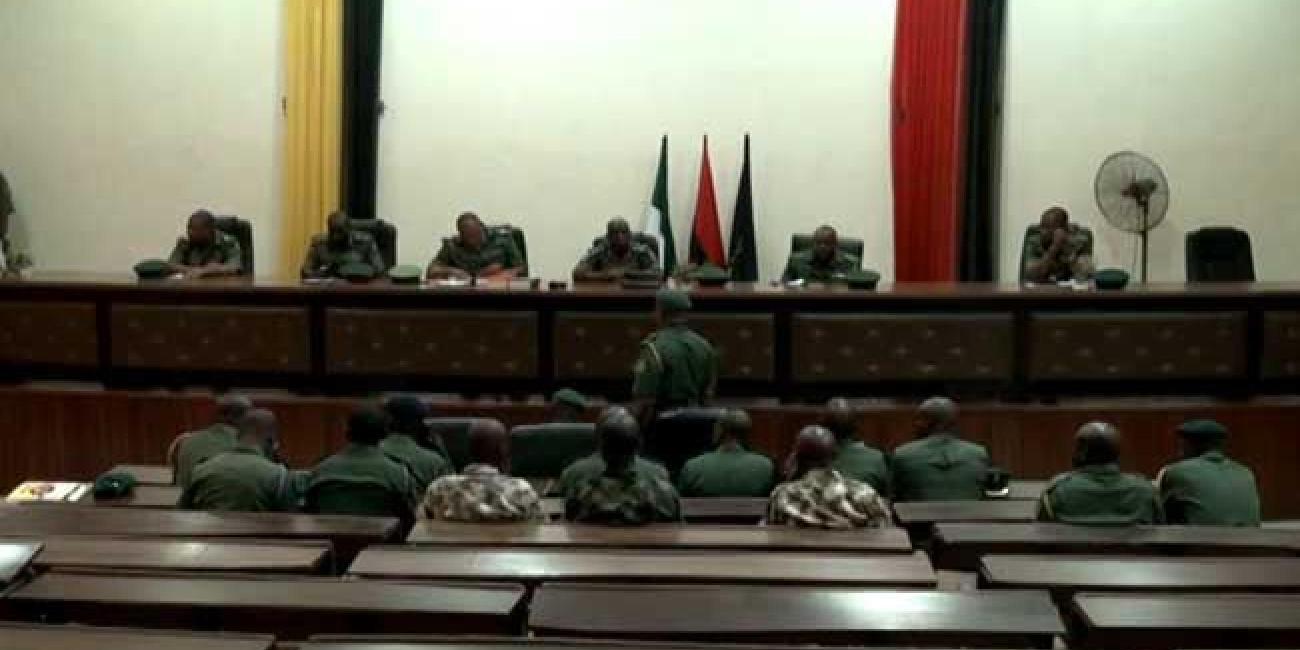
ABUJA, Nigeria – The President of the General Court-Martial trying 36 Nigerian military personnel over alleged involvement in a plot to overthrow President Bola Tinubu’s government has reportedly threatened to confiscate mobile phones and electronic devices belonging to defence lawyers if further details of the secret proceedings are leaked to the media.
The warning, issued by Air Vice Marshal H.I. Alhaji (NAF/2211), comes amid escalating tension within the military tribunal following a series of media reports on the ongoing trial, including publications that reportedly disclosed aspects of the proceedings and identities of those involved.
Multiple sources familiar with the closed-door proceedings told A1NEWS International that the court president expressed anger over what he described as unauthorized disclosure of sensitive information from the courtroom.
Court-Martial Raises Alarm Over Media Leaks
According to insiders present at the proceedings, Air Vice Marshal Alhaji specifically referenced a media report published by SaharaReporters detailing aspects of the trial and expressed disappointment with members of the defence team, suggesting that information may have originated from within the courtroom.
The court president reportedly described the leak as a breach of confidentiality and warned that stronger measures would be taken if it continued.
One source said the military judge went further to propose that lawyers’ phones and electronic devices could be seized before courtroom entry as part of new security measures aimed at preventing information leaks.
Threats of Device Seizure and Courtroom Surveillance
Sources confirmed that Air Vice Marshal Alhaji told lawyers he was considering stricter courtroom controls, including screening and confiscation of communication devices, to prevent unauthorized dissemination of trial details.
He reportedly expressed anger that his personal name and details of the proceedings had appeared in public reports, describing the publication as an attack on his reputation.
“He said his attention had been drawn to a publication and that he was highly disappointed in all defence lawyers,” one source said.
The court president allegedly insisted that all parties had previously been instructed not to publicize or discuss proceedings outside the courtroom.
“Human Teddy Bear” Remark Sparks Mixed Reactions
In a striking comment reported by sources, Air Vice Marshal Alhaji reportedly attempted to downplay the impact of the media coverage on his public image, stating that his reputation remained intact despite the reports.
He allegedly referred to himself as a “human teddy bear,” suggesting that public perception of him remained positive regardless of media narratives.
However, the remark has reportedly been met with mixed reactions within legal circles attending the trial.
Concerns Over Fair Trial and Media Restrictions
While the court’s concerns about confidentiality were noted, defence lawyers and observers reportedly raised questions about selective objections to media coverage.
Sources pointed out that information about the accused personnel had already circulated publicly during earlier stages of investigation before formal proceedings commenced.
They argued that restricting media reporting at this stage could raise concerns about transparency in a trial involving serious allegations of treason and mutiny.
One insider noted that “sensitive details had already entered the public domain long before the current restrictions were imposed.”
Defence Lawyers Push Back
Tensions escalated further when a Senior Advocate of Nigeria (SAN) reportedly challenged comments made during proceedings, insisting that legal arguments should not be dismissed based on hierarchy or external opinions.
The exchange followed references made to a separate SAN who allegedly supported the court’s position on procedural rulings.
A defence counsel reportedly demanded that any legal authority cited should be identified publicly to avoid ambiguity in court arguments.
Background: Alleged Coup Plot Trial
The ongoing court-martial involves 36 military officers and soldiers accused of participating in an alleged conspiracy to overthrow the Nigerian government between 2022 and 2025.
According to court documents, the defendants face multiple charges under the Armed Forces Act, including conspiracy, mutiny, and failure to suppress mutiny.
The case has drawn national attention due to its sensitivity, the number of personnel involved, and the implications for military discipline and national security.
Jurisdictional and Procedural Controversy
Earlier in the proceedings, defence lawyers challenged the jurisdiction of the military tribunal, arguing that the alleged offences amounted to treason, which they insisted falls under the jurisdiction of the Federal High Court.
The court-martial, however, ruled that it had jurisdiction to proceed.
The defence further objected after the court president reportedly indicated that a prima facie case had already been established before the prosecution presented witnesses or evidence, a claim that has intensified concerns over procedural fairness.
Transparency vs National Security Debate
The case has reignited broader debate within legal and security circles over the balance between national security confidentiality and the constitutional right to fair and open justice.
While military authorities appear focused on preventing leaks that could compromise operational secrecy, legal observers warn that excessive restrictions could undermine public confidence in the tribunal process.
As the court-martial continues, tensions between confidentiality enforcement and transparency concerns remain unresolved. The proposed restriction on lawyers’ communication devices signals a tightening of courtroom control measures, even as defence teams push back against perceived procedural irregularities. The outcome of this high-profile trial is expected to set significant precedents for military justice, media access, and due process in Nigeria.







Leave a Reply