

Stakeholders Advocate Youth Empowerment, Community Policing, Human Rights Protection as Pathways to National Security
By A1NEWS International
ABUJA, Nigeria – June 24, 2026
Nigeria’s growing insecurity crisis, fueled by violent extremism, banditry, kidnappings, cybercrime, and widespread human rights violations, came under intense scrutiny as key stakeholders converged in Abuja for a national summit aimed at charting sustainable solutions to the country’s security and governance challenges.
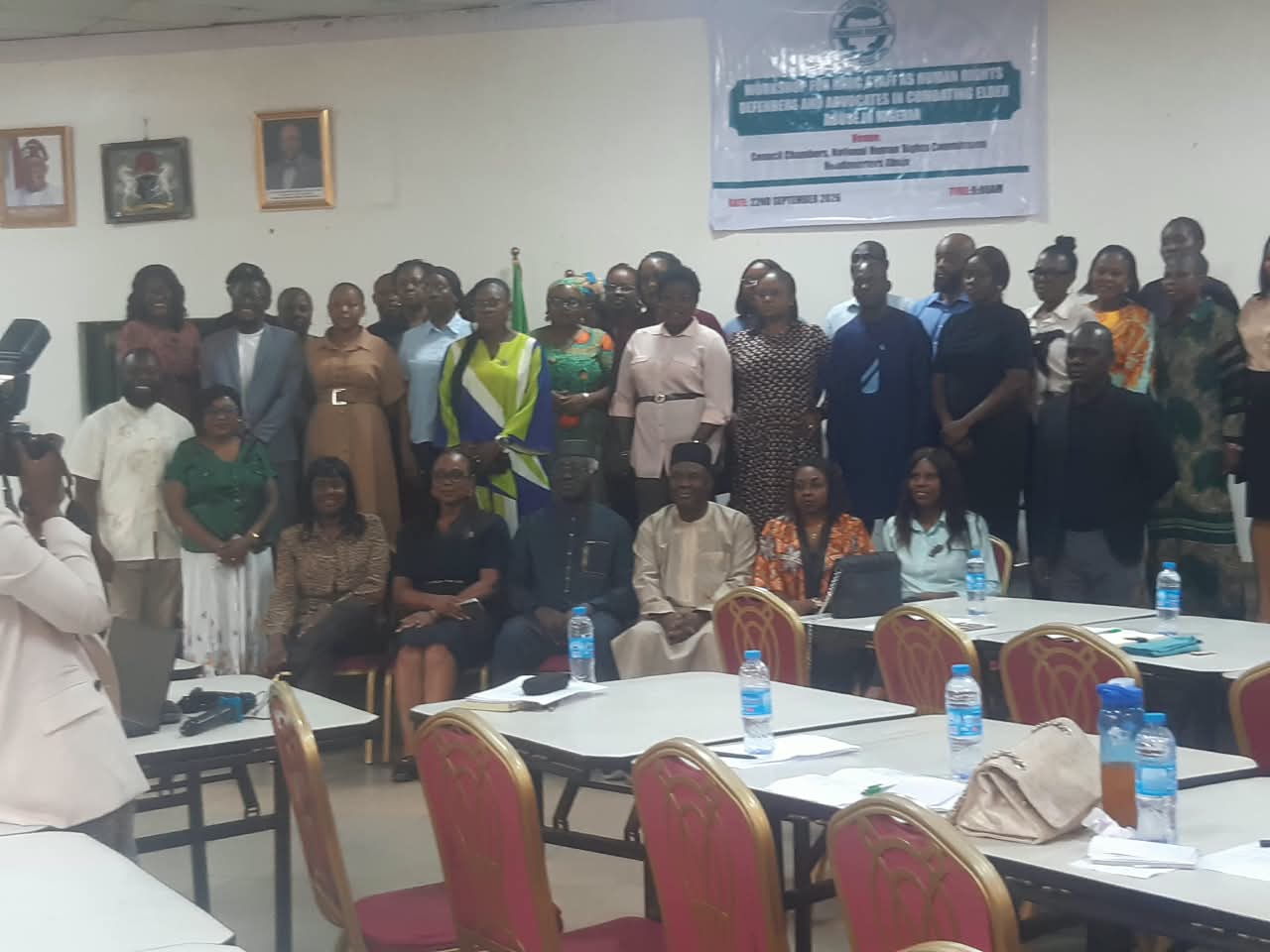
The National Human Rights Commission (NHRC), in partnership with the National Council for Civil Society Organizations (NACCSO) and Vision-One Leadership Development Initiative (VOLDI), organized the National Stakeholders, Civil Society and Youth Summit Against Violent Extremism and Human Rights Violations in Nigeria, bringing together government officials, security experts, civil society leaders, youth advocates, and development partners.

The summit focused on addressing the root causes of violent extremism while promoting respect for human rights, social justice, youth inclusion, and sustainable peace-building initiatives across the country.
Nigeria Facing Persistent Threats from Violent Extremism
Delivering the keynote address on behalf of the Executive Secretary of the NHRC, Dr. Tony Ojukwu (SAN), Director of Legal Services at the Commission, Rabi Anwar, described the summit as timely given the country’s escalating security concerns.
Ojukwu noted that Nigeria continues to suffer devastating consequences arising from violent extremism, terrorism, banditry, communal conflicts, and other forms of insecurity.
According to him, thousands of Nigerians have lost their lives while millions have been displaced from their homes, resulting in widespread destruction of communities, disruption of economic activities, educational setbacks, and deteriorating healthcare services.
He emphasized that beyond the visible destruction, vulnerable populations—including women, children, internally displaced persons (IDPs), and persons living with disabilities—continue to bear the brunt of the crisis.
“Women and girls have suffered abductions, sexual and gender-based violence, forced marriages, trafficking and various forms of exploitation,” Ojukwu stated.
School Abductions Remain National Concern
The NHRC boss expressed concern over recurring attacks on educational institutions across the country, citing recent reports of schoolchildren and teachers being abducted in parts of Oyo and Borno States.
He warned that such incidents threaten the constitutional right to education and undermine national development efforts.
According to him, the attacks evoke painful memories of previous mass abductions, including the globally condemned Chibok schoolgirls’ kidnapping, underscoring the urgent need for stronger protection mechanisms for schools nationwide.
“The safety of our children, teachers and educational institutions must remain a national priority,” he stressed.

Addressing Root Causes Critical to Lasting Peace
While acknowledging the importance of military operations and security interventions, Ojukwu argued that sustainable peace cannot be achieved through force alone.
He identified poverty, unemployment, social exclusion, inequality, weak institutions, and limited access to opportunities as major drivers of radicalization and violent extremism.
The NHRC Executive Secretary urged governments at all levels to invest more in education, leadership development, entrepreneurship, civic engagement, and economic empowerment.
According to him, empowering young people would help build resilient communities capable of resisting extremist ideologies and violence.
“The youth of Nigeria must be empowered as ambassadors of peace, tolerance and development,” he said.
He further called on stakeholders to deepen collaboration, support victims of conflict, uphold human rights principles, and advance inclusive policies that promote national cohesion.
Civil Society’s Role in National Security
Ojukwu commended NACCSO and VOLDI for convening the summit, describing civil society organizations as indispensable partners in advancing peace, human rights, and democratic governance.
He noted that civil society groups continue to play a crucial role in advocating accountability, promoting social justice, and providing community-based solutions to security challenges.
Their contributions, he said, remain critical to achieving sustainable national development.
Convener Commends Tinubu’s Security Reforms
Speaking at the summit, Convener of the programme and Executive Director of Vision-One Leadership Development Initiative, Emmanuel Johnny, praised President Bola Ahmed Tinubu for efforts aimed at tackling insecurity.
He specifically commended the administration’s support for the establishment of state policing structures, describing community-based security architecture as a strategic response to grassroots insecurity.
Johnny also lauded Nigeria’s military and security agencies for their sacrifices in preserving national stability despite mounting security challenges.
‘Nigerians Must Look Inward’ — Johnny
In a thought-provoking address, Johnny challenged Nigerians to engage in self-reflection, arguing that societal attitudes contribute significantly to insecurity and human rights abuses.
He maintained that many citizens knowingly violate laws, undermine peace, and engage in activities that fuel instability.
According to him, sustainable national transformation requires attitudinal change among citizens rather than solely blaming government institutions.
“If we know what is morally and constitutionally right yet refuse to do it, then we become part of the problem confronting the nation,” he said.
He urged Nigerians to embrace peaceful coexistence regardless of ethnic, religious, or regional affiliations.
Youth Unemployment Driving Insecurity
The summit convener identified youth unemployment and economic hardship as major factors fueling insecurity, cybercrime, kidnapping, illegal mining, and other criminal activities.
He warned that when young people are unable to access legitimate economic opportunities, some become vulnerable to recruitment by criminal and extremist networks.
Johnny therefore urged government authorities to strengthen youth-focused intervention programmes through agencies such as the National Directorate of Employment (NDE) and other empowerment institutions.
He stressed that investments in entrepreneurship, vocational training, technology education, and digital skills acquisition would help reduce crime and create sustainable livelihoods.
“The more we prepare the youth for the future, the better it is for the nation,” he stated.
Call for Skills Development and Entrepreneurship
Addressing participants, Johnny challenged young Nigerians to embrace self-development and entrepreneurship instead of depending entirely on government employment opportunities.
He encouraged youths to acquire marketable skills, leverage technology, and explore innovative solutions capable of generating income and creating jobs.
According to him, graduates who fail to translate their education into productive ventures risk becoming frustrated and susceptible to criminal influences.
He emphasized that personal responsibility, discipline, and continuous learning remain essential ingredients for success in the modern economy.
Stakeholders Seek Comprehensive Security Strategy
Participants at the summit advocated a multi-dimensional approach to combating violent extremism, combining security enforcement with human rights protection, economic inclusion, education, and community engagement.
Discussions also highlighted the need for stronger partnerships between government institutions, civil society organizations, community leaders, development agencies, and the private sector.
Experts argued that addressing insecurity requires a balance between effective law enforcement and the protection of fundamental human rights.

The summit concluded with a renewed call for collective action against violent extremism, insecurity, and human rights violations in Nigeria.
Stakeholders agreed that while security agencies play a vital role in combating criminality, long-term peace can only be achieved through inclusive governance, youth empowerment, economic opportunities, civic responsibility, and unwavering respect for human rights.
As Nigeria continues to confront evolving security threats, participants stressed that sustainable solutions will depend on the willingness of citizens, government institutions, and civil society actors to work together in building a safer, more prosperous, and united nation.











Leave a Reply