
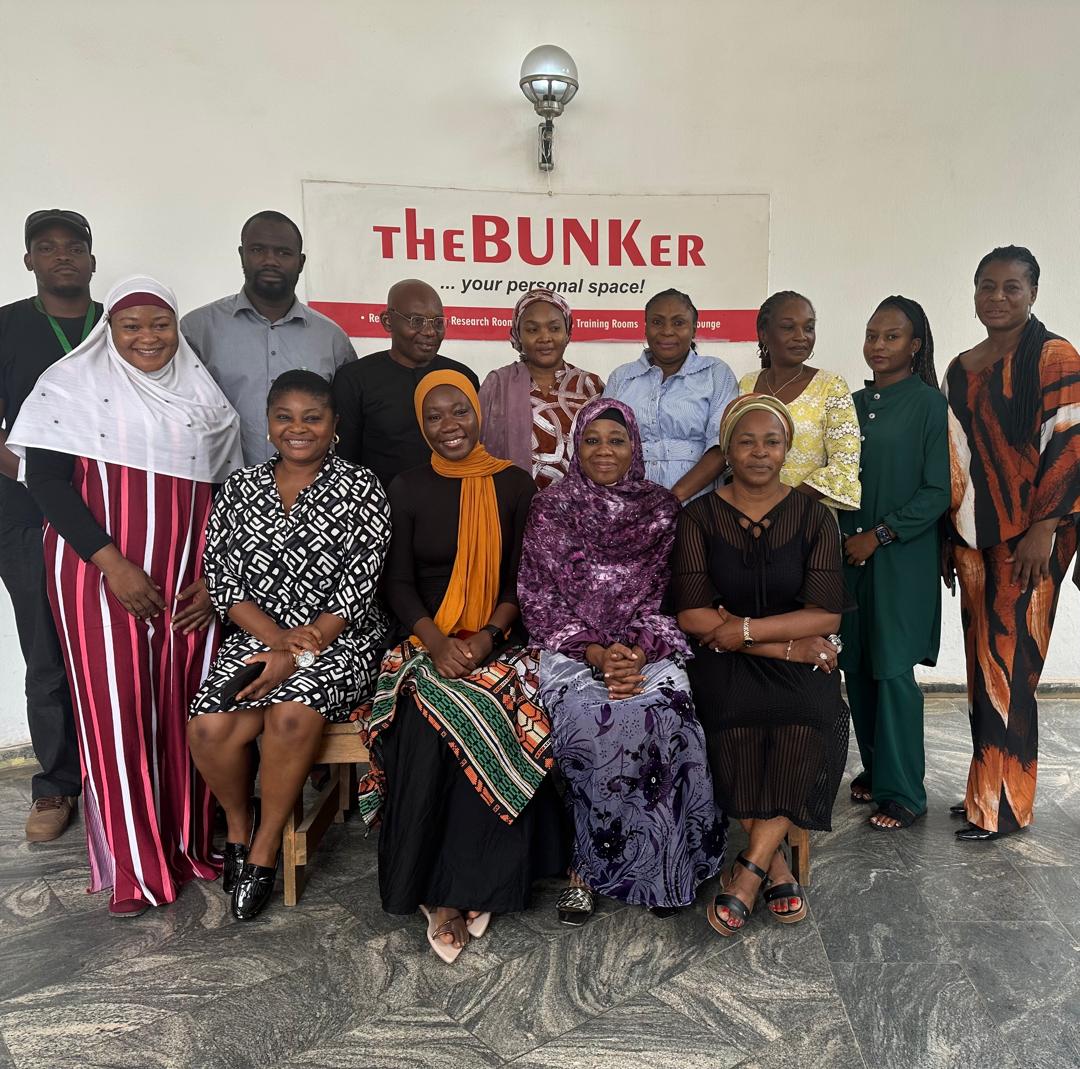
Ojukwu says effective human rights protection requires accurate, ethical and strategic communication capable of reaching citizens across traditional and digital platforms.
By A1NEWS International
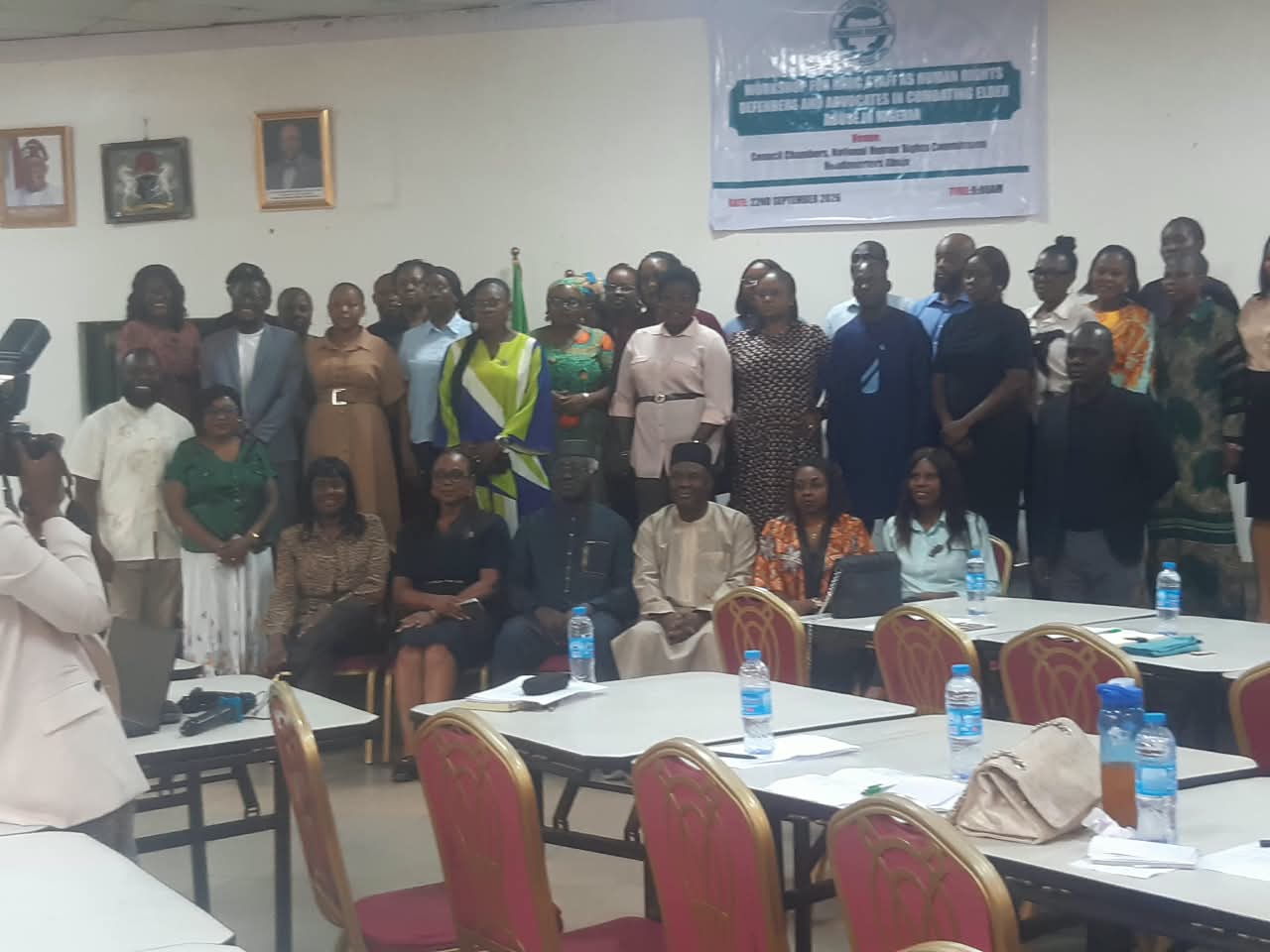
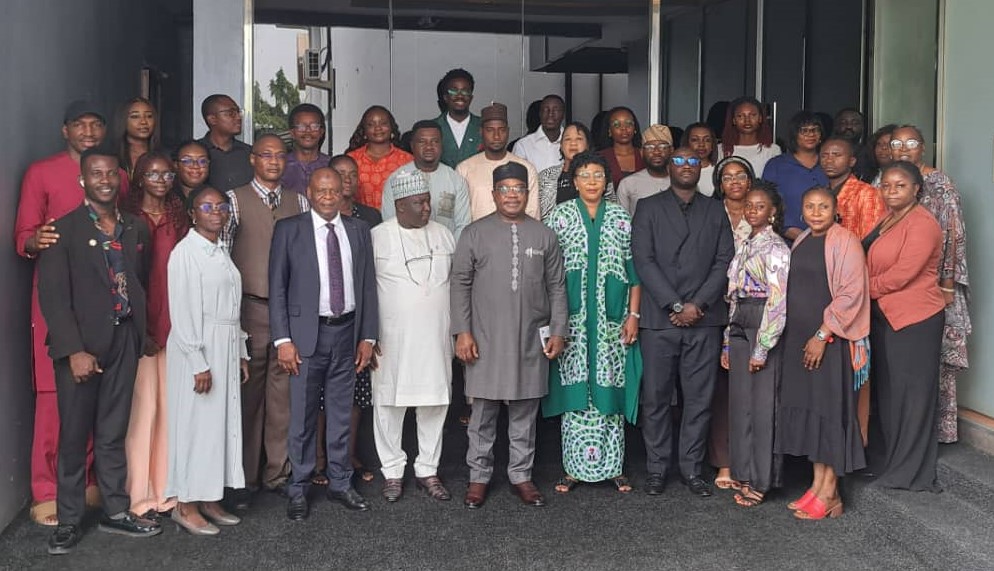
ABUJA, Nigeria — September 22, 2026: The National Human Rights Commission (NHRC) has commenced a two-day capacity-building training designed to strengthen the ability of its personnel to report, communicate and advocate human rights issues effectively across traditional and digital media platforms.
The training, organised by the Commission’s Corporate Affairs and External Linkages Department, is focused on Human Rights Reporting and Advocacy and is being held from September 22 to 23, 2026, at theBUNKer,
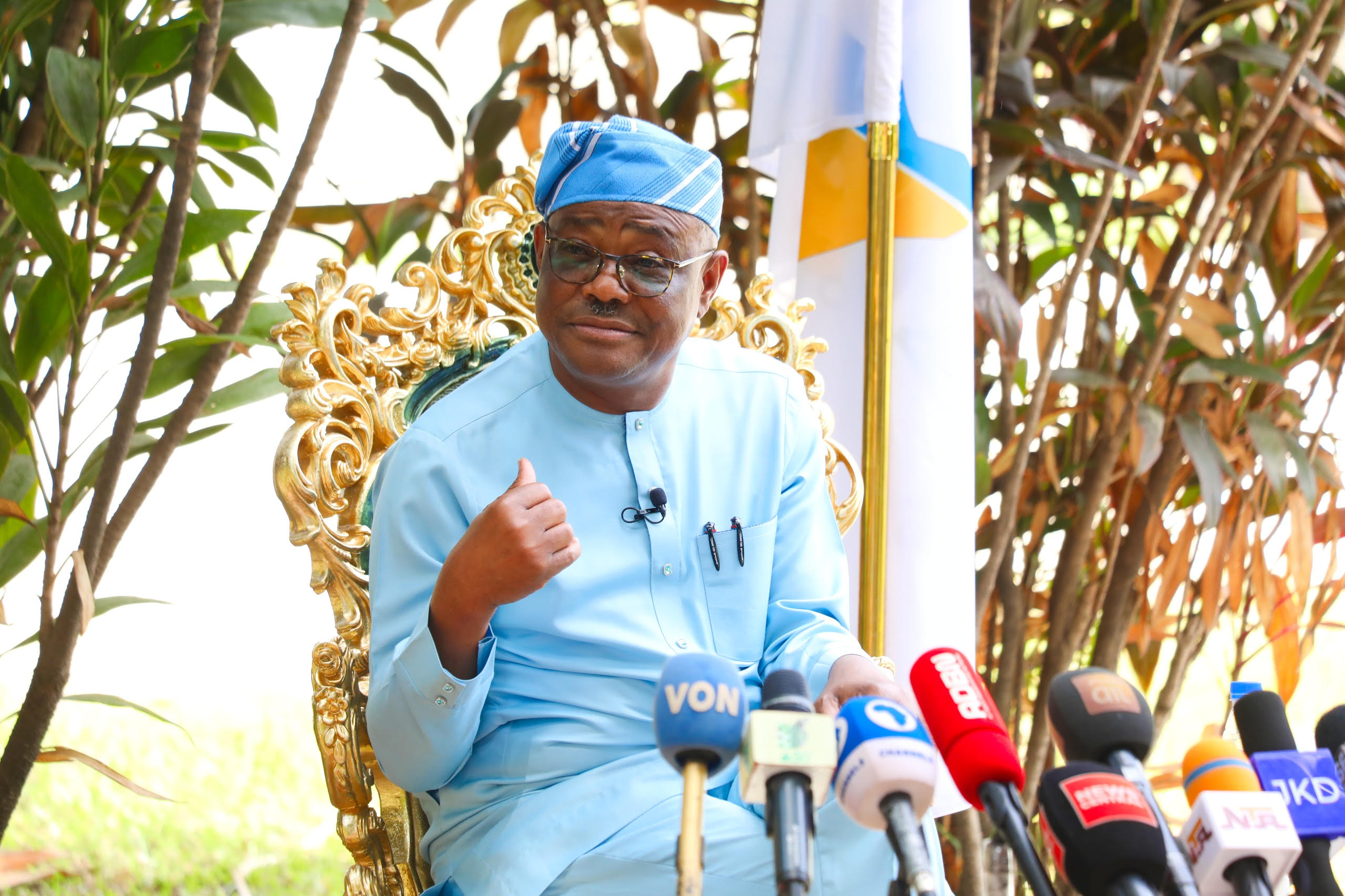
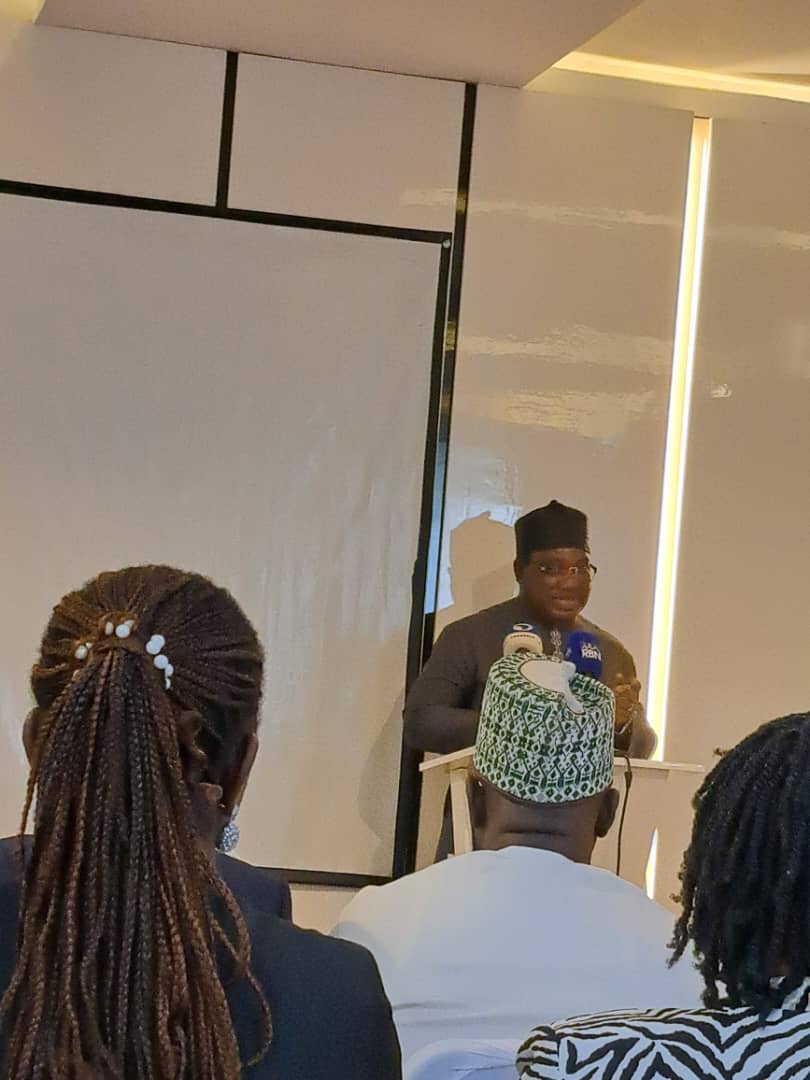
Declaring the importance of the programme, the Executive Secretary of the NHRC, Chief (Dr.) Anthony Ojukwu,
, said human rights protection extends beyond investigations, interventions and policy recommendations to include the ability to communicate human rights concerns accurately, clearly and strategically.
Communication Critical to Human Rights Protection
Ojukwu said the manner in which human rights issues are communicated can influence whether critical issues receive public attention, whether victims’ experiences are properly understood and whether citizens become better informed about their rights and responsibilities.
According to him, the rapidly changing digital environment has made effective communication an increasingly important component of the Commission’s human rights mandate.
He noted that the NHRC has a statutory responsibility not only to protect and promote human rights but also to educate Nigerians and create awareness about their fundamental rights.
He therefore stressed the need for Commission personnel to continually develop the skills required to communicate human rights issues effectively across traditional and digital platforms.
Canva, Visual Storytelling to Improve Public Engagement
One of the areas covered by the training is graphic design, including the use of Canva and visual illustrations to communicate human rights stories.
Ojukwu said strengthening staff capacity in visual communication would enable the Commission to transform complex human rights issues into content that is compelling, accessible and easier for citizens to understand.
He particularly identified young people and digital audiences as important beneficiaries of more accessible visual communication.
According to him, well-designed graphics can communicate messages quickly, extend their reach and improve public understanding of human rights information.
Social Media as Advocacy and Public Education Tool
The Executive Secretary also highlighted the growing importance of social media in public education, advocacy and citizen engagement.
He said the NHRC must use social media responsibly and strategically to disseminate human rights information, showcase its interventions, promote awareness campaigns, counter misinformation and engage citizens on issues affecting their rights and dignity.
The emphasis, he noted, should be on developing communication practices capable of connecting the Commission’s work with Nigerians across different platforms.
Training Targets Professional Human Rights Storytelling
The programme also includes news writing and storytelling from a human rights perspective.
Ojukwu said the training would enhance the Commission’s capacity to report its activities in a manner that is professional, factual and impactful.
He stressed that human rights reporting requires accuracy, sensitivity, context and respect for the dignity and privacy of individuals, particularly victims and vulnerable persons.
The Executive Secretary said human rights stories should go beyond simply reporting events by helping the public understand the human rights dimensions of those events and the importance of accountability and redress.
Every NHRC Staff Member a Potential Source of a Human Rights Story
Ojukwu further argued that effective communication of the Commission’s work should not be regarded as the exclusive responsibility of communications personnel.
He said every member of staff who interacts with communities, handles complaints, participates in investigations, conducts advocacy programmes or contributes to policy interventions could potentially generate a human rights story.
“As the Commission continues to strengthen its visibility and engagement with Nigerians, every staff member has a role to play in promoting the human rights mandate of the Commission,” he said.
This approach, according to him, is intended to strengthen a communication culture in which human rights information is identified, documented and communicated throughout the Commission’s operations.
NHRC Seeks Culture of Ethical and Strategic Communication
Ojukwu said the training should go beyond the acquisition of technical skills and contribute to the development of a broader human rights communication culture within the Commission.
He identified accuracy, professionalism, ethics, empathy, dignity and strategic advocacy as principles that should guide the Commission’s communication.
The objective, he said, is to ensure that the work of the NHRC reaches the people whose rights it is mandated to protect and promote.
Public Awareness Linked to Access to Redress
The Executive Secretary said greater public understanding of human rights could strengthen the foundation for a more just, peaceful and accountable society.
He noted that when Nigerians understand their rights, know where to seek redress and appreciate the responsibilities that accompany those rights, the broader human rights protection framework is strengthened.
He commended the Corporate Affairs and External Linkages Department for organising the training and urged participants to maximise the opportunity.
Ojukwu said the knowledge and skills acquired should translate into improved content, stronger advocacy, more effective public engagement and greater impact in the promotion and protection of human rights in Nigeria.
The two-day training reflects the NHRC’s emphasis on strengthening internal communication capacity as part of its wider human rights mandate. By combining visual communication, social media management, news writing and human rights storytelling, the programme seeks to equip staff with practical tools for communicating the Commission’s work to a wider Nigerian audience while maintaining professional and ethical standards.






Leave a Reply