
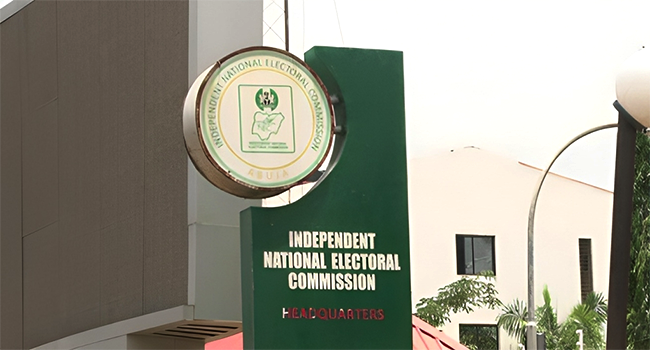
Electoral commission bows to nationwide appeals, giving millions of eligible Nigerians additional time to register as it unveils a technology-driven self-service voter registration platform ahead of the 2027 general elections.
By John Ishaku – July 4, 2026
ABUJA, Nigeria — In a significant move aimed at broadening voter participation ahead of the 2027 General Elections, the Independent National Electoral Commission (INEC) has extended the ongoing nationwide Continuous Voter Registration (CVR) exercise by an additional two weeks.
The extension, announced on Friday, shifts the deadline for voter registration from July 10, 2026, to Friday, July 24, 2026, following widespread appeals from political parties, civil society organisations, election observers and the Commission’s state offices.
The decision is expected to provide millions of eligible Nigerians—particularly first-time voters—with another opportunity to be captured in the National Register of Voters before preparations for the 2027 polls gather momentum.
Commission Responds to Stakeholders’ Concerns
Announcing the extension, INEC’s National Commissioner and Chairman of the Information and Voter Education Committee, Mohammed Haruna, said the Commission carefully reviewed reports from across the country before reaching its decision.
According to him, feedback from state offices indicated sustained turnout at registration centres, while political parties and civil society organisations urged the Commission to provide more time for eligible citizens who were yet to complete the registration process.
Haruna said the extension reflects INEC’s commitment to ensuring that no eligible Nigerian is denied the opportunity to participate in future elections due to administrative or logistical constraints.
“In order to provide additional opportunity for eligible citizens who are yet to register, the Commission has extended the exercise to Friday, July 24, 2026,” the statement said.
Online Self-Service Registration to Commence July 8
Beyond extending the registration window, INEC also announced a major technological innovation designed to modernise Nigeria’s voter registration process.
Beginning Wednesday, July 8, 2026, eligible Nigerians registering for the first time will be able to initiate and complete their voter registration online through a newly introduced Self-Service Continuous Voter Registration Portal.
The digital platform, accessible via cvr.inecnigeria.org, allows applicants to complete registration procedures—including biometric capture using compatible devices—without first visiting an INEC office.
The Commission described the initiative as part of its broader digital transformation agenda aimed at making electoral services more accessible, efficient and citizen-friendly.
Technology Designed to Protect Electoral Integrity
INEC assured Nigerians that the new online registration system has been equipped with multiple security features to safeguard the integrity of the National Register of Voters.
According to the Commission, the platform incorporates:
- Robust identity verification mechanisms;
- Biometric validation technology;
- Backend integrity checks;
- Automated data verification processes;
- Security protocols to prevent duplicate registrations and identity fraud.
The Commission stated that these safeguards are intended to ensure that technological convenience does not compromise the credibility of Nigeria’s electoral register.
A Boost for Youth and First-Time Voters
Political analysts believe the introduction of online voter registration could significantly increase participation among young Nigerians, students, professionals and citizens living in remote communities who previously faced challenges accessing registration centres.
The extension is also expected to reduce congestion at INEC offices, particularly in urban centres where long queues have characterised the ongoing exercise.
Election observers have repeatedly called on the Commission to deploy technology more effectively to simplify voter registration while maintaining transparency and public confidence.
Why the Extension Matters
The nationwide Continuous Voter Registration exercise commenced on August 18, 2025, as part of INEC’s preparations for the 2027 electoral cycle.
The exercise enables eligible Nigerians who have attained voting age, those who have never registered before, citizens seeking replacement of lost or damaged Permanent Voter Cards (PVCs), and voters requiring transfer of registration or correction of personal details to update their records.
The additional two-week extension is therefore expected to improve the inclusiveness of the voters’ register before the Commission proceeds to the next phases of election planning.
2027 Elections Already Taking Shape
Although the next general elections remain months away, political activities across Nigeria have intensified, with political parties strengthening grassroots mobilisation while prospective candidates continue consultations and coalition talks.
A credible and comprehensive voter register remains one of the most critical foundations for transparent elections, making the ongoing CVR exercise central to Nigeria’s democratic process.
Analysts say voter registration figures may also provide an early indication of political engagement ahead of what is expected to be another highly competitive electoral season.
INEC Urges Eligible Nigerians to Register
The electoral commission appealed to Nigerians who have not yet registered to take advantage of both the extended registration period and the newly introduced online platform.
According to INEC, the extension demonstrates its determination to ensure that every qualified Nigerian has a fair and reasonable opportunity to exercise the constitutional right to vote.
The Commission reaffirmed its commitment to conducting a credible, inclusive and technology-driven voter registration exercise while continuing to improve service delivery across the country.
INEC’s decision to extend the Continuous Voter Registration exercise and introduce a self-service online registration platform marks one of the Commission’s most significant electoral reforms ahead of the 2027 General Elections. By combining additional registration time with digital innovation, the electoral body hopes to expand voter participation, reduce administrative bottlenecks and strengthen the integrity of Nigeria’s voter register. As political activities intensify nationwide, the success of the extended CVR exercise will play a crucial role in determining how inclusive and representative the country’s next electoral process will be.











Leave a Reply