
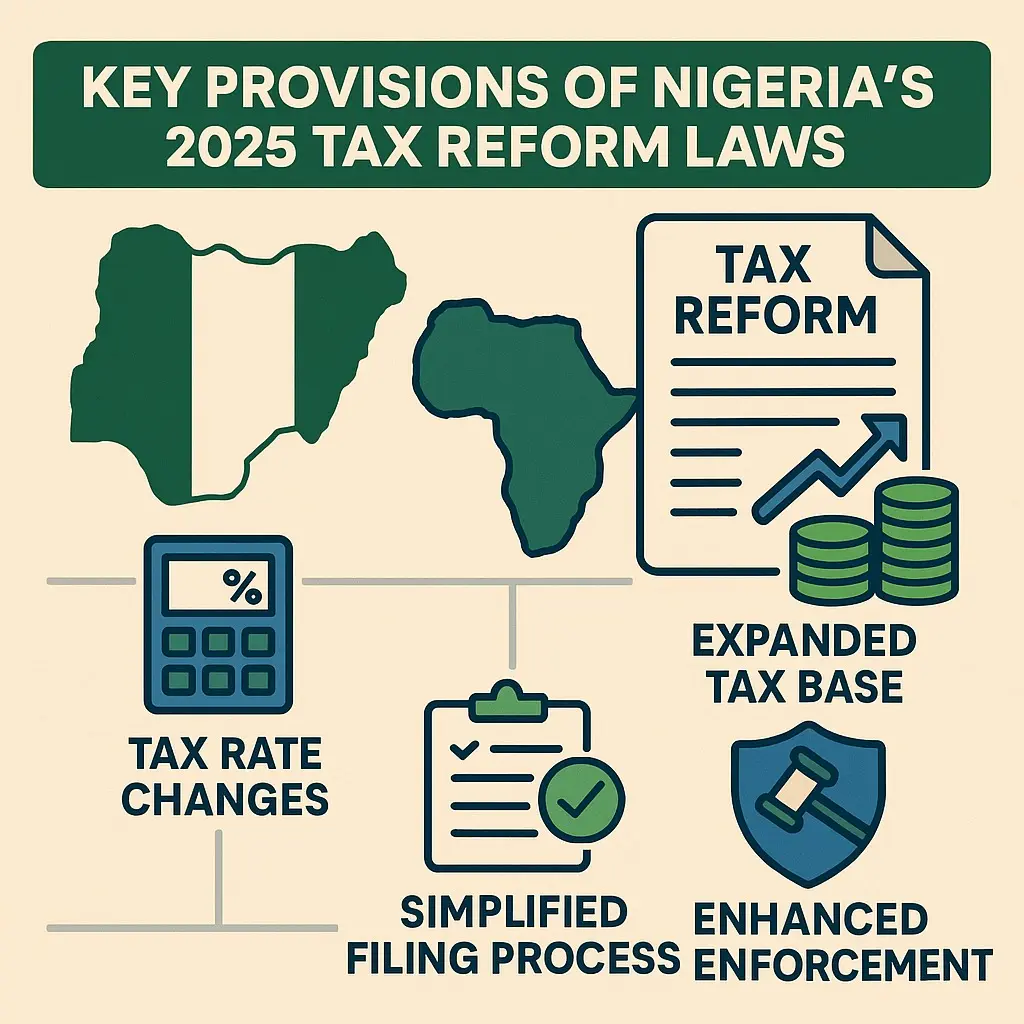
Reforms signal tougher enforcement, broader tax base and stricter accountability
By A1 News International
Abuja, Nigeria — March 29, 2026
Tax experts have urged Nigerian businesses and individuals to urgently align with new tax regulations, warning that non-compliance could trigger penalties under the country’s evolving fiscal framework. The reforms, set to take effect in 2026, introduce stricter enforcement measures and expanded obligations across sectors.
Experts speaking at separate industry engagements described the tax reforms signed into law in June 2025 as one of Nigeria’s most comprehensive fiscal overhauls in decades. The reforms aim to improve transparency, expand the tax base and modernise revenue administration in line with global standards.
Adewale Ajayi, Partner and Head of Tax Regulatory and People Services at KPMG Africa, said the changes reflect a strategic shift from revenue extraction to growth-driven taxation anchored on efficiency and compliance. He noted that businesses will face tighter audit processes, enhanced regulatory scrutiny and increased accountability for financial reporting.
According to Ajayi, organisations must upgrade internal systems, strengthen compliance frameworks and align operational processes with the new legal provisions to mitigate exposure to sanctions. He added that the reforms also introduce revised personal income tax bands and expanded deductions aimed at improving fairness for individual taxpayers.
Olamide Obajimi, Partner at Olaniwun Ajayi LP and Chairman of the Tax Appeals Tribunal, Lagos Panel 2, said the legislation establishes a more centralised and coordinated tax system. He explained that the Nigeria Revenue Service has been repositioned as the primary federal tax authority, with new mechanisms to enhance inter-agency coordination and taxpayer protection.
Obajimi further highlighted key provisions of the Nigeria Tax Act, including a unified 30 per cent companies income tax rate for non-small firms, expanded exemptions for small businesses and the integration of capital gains into taxable income. He added that new compliance rules now require taxes tied to expenses to be settled before deductions can be claimed.
Joy Chijioke, Associate Director at EY Tax Services, emphasised the role of technology in the new framework, noting that digital monitoring systems will significantly improve detection of non-compliance. She advised taxpayers to prioritise proper registration, accurate record-keeping and timely engagement with authorities.
Chijioke warned that organisations that delay adaptation risk operational disruptions and regulatory penalties once enforcement begins in 2026. She stressed that early compliance would offer a competitive advantage in navigating the changing tax environment.
Stricter Compliance Regime Takes Shape
The reforms introduce tighter audit mechanisms, enhanced reporting standards and stronger enforcement tools, increasing the cost of non-compliance for businesses and individuals.
Structural Overhaul of Tax System
The new law consolidates Nigeria’s fiscal framework, strengthens institutional coordination and introduces uniform tax rates alongside expanded exemptions for small enterprises.
Nigeria’s tax reforms signal a decisive shift toward a more structured and enforceable revenue system. For businesses, compliance is no longer optional but a strategic necessity. For government, improved tax administration could boost revenue and investor confidence. However, weak adaptation could increase regulatory risks and economic strain for non-compliant entities.














Leave a Reply