
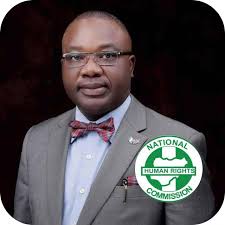
Human Rights Commission invokes Rwanda’s 1994 genocide as warning, urges political parties, security agencies, religious leaders, media and social-media users to prevent inflammatory rhetoric from escalating into election violence
By A1NEWS International
ABUJA, NIGERIA — August 13, 2026
The National Human Rights Commission (NHRC) has issued a strong warning against the growing use of hate speech, incitement, intimidation, dehumanising language and divisive political rhetoric ahead of Nigeria’s 2027 general elections, saying the unchecked escalation of inflammatory narratives could threaten human rights, peaceful coexistence and democratic participation.
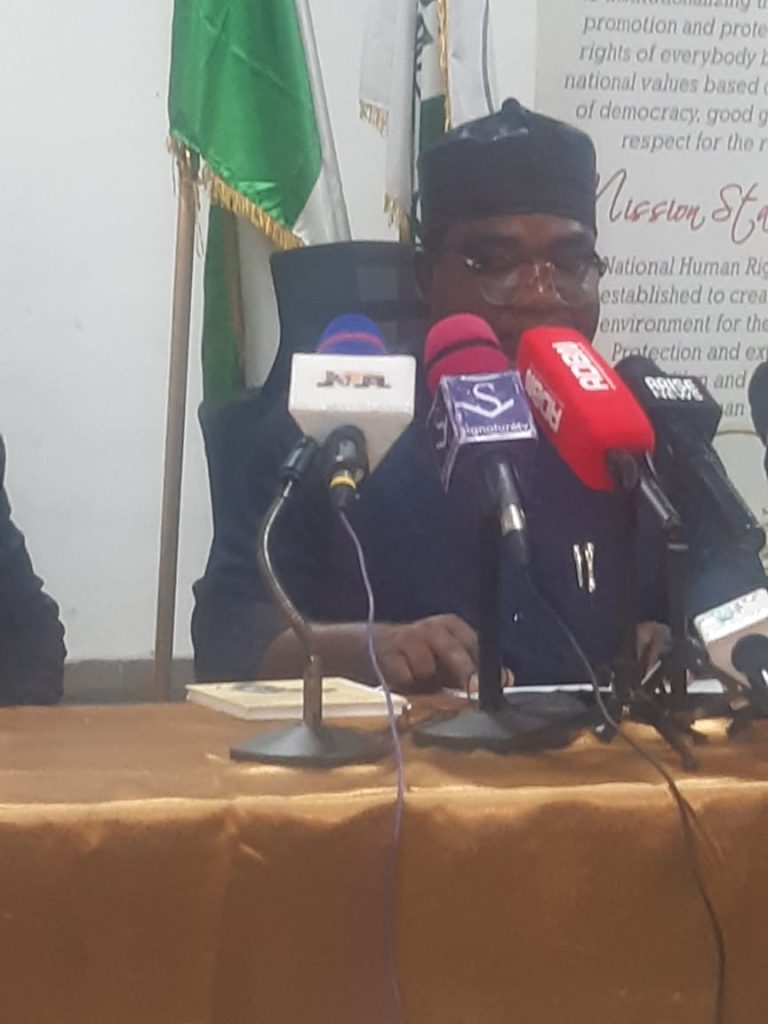
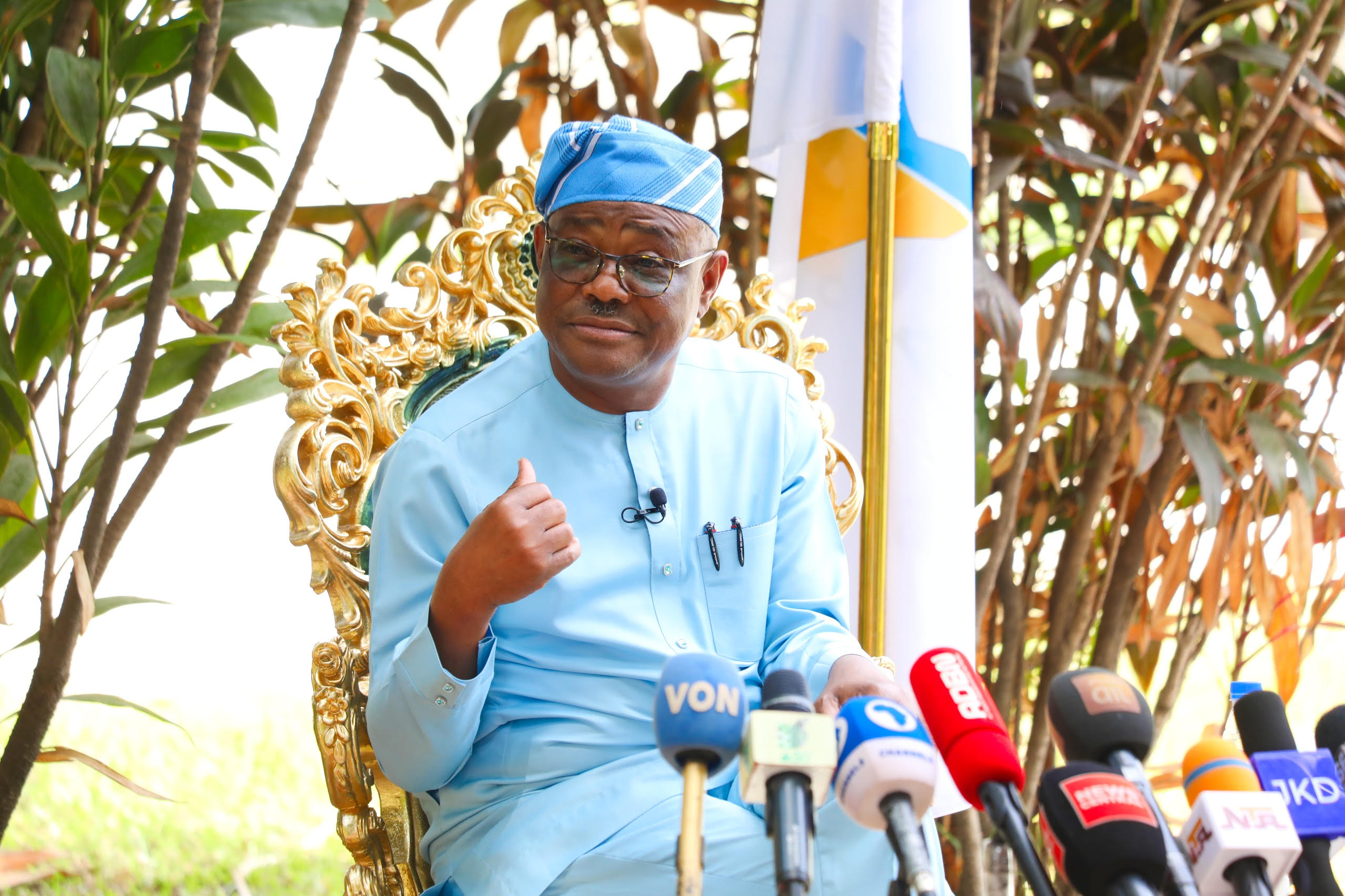
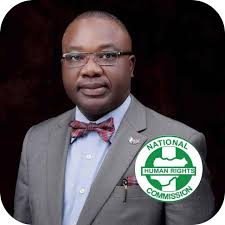
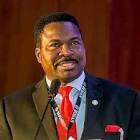
The warning was delivered on Thursday by the Executive Secretary and Chief Executive Officer of the NHRC, Chief Tony Ojukwu, OFR, SAN, during a press conference at the Commission’s headquarters in Abuja.
Ojukwu said the Commission had become increasingly concerned about statements attributed to some public figures, including Sheikh Sani Yahaya Jingir and Senator Francis Fadahunsi, which, in the Commission’s assessment, crossed acceptable boundaries and had the potential to deepen social divisions, intimidate citizens and encourage violence.
The intervention comes as political activity intensifies ahead of the 2027 elections and amid increasing concern over the role of political speeches, religious messaging and social-media platforms in shaping public attitudes towards political opponents and communities.
The NHRC stressed, however, that its intervention was not targeted at any political party, ethnic group, religious organisation or individual, but represented a human-rights response to rhetoric it believes could threaten the rights and security of Nigerians.
NHRC: FREEDOM OF EXPRESSION IS NOT A LICENCE FOR INCITEMENT
The Commission acknowledged that freedom of expression is a fundamental human right protected by Nigeria’s constitutional framework and international human-rights obligations.
But Ojukwu said the right carries responsibilities and cannot be interpreted as an unrestricted licence to incite violence, promote hatred, dehumanise individuals or deliberately provoke hostility against communities.
The distinction is particularly important during election periods, when political rhetoric can rapidly translate into mobilisation on the ground.
According to the NHRC, speech becomes a serious human-rights concern when it contributes to an environment in which individuals or groups are portrayed as enemies, inferior, dangerous or undeserving of protection.
The potential consequences, it said, include:
- Erosion of human dignity and equality;
- Incitement and escalation of violence;
- Discrimination against individuals and communities;
- Intimidation of voters and political opponents;
- Suppression of political participation;
- Deepening ethnic, religious and regional divisions; and
- Loss of public confidence in democratic institutions.
WHY THE NHRC IS SOUNDING THE ALARM NOW
The Commission’s intervention comes well ahead of the 2027 general elections, reflecting a preventive rather than purely reactive approach.
Ojukwu argued that authorities and society should not wait for inflammatory rhetoric to produce physical violence before responding.
He described prevention as an important human-rights obligation and said government has the primary responsibility under national and international law to protect citizens from violence.
The NHRC therefore wants dangerous narratives identified and addressed before they become catalysts for attacks, intimidation or communal conflict.
This approach places responsibility not only on security agencies but also on political parties, candidates, religious leaders, traditional rulers, journalists and ordinary citizens.
NHRC INVOKES LESSONS OF RWANDA GENOCIDE
In one of the strongest elements of the address, the NHRC referred to the 1994 genocide against the Tutsi in Rwanda as a historical warning about the consequences of sustained propaganda, denigration, dehumanisation and incitement.
The Commission was careful to acknowledge that Nigeria is not Rwanda.
Its argument, however, was that the historical lesson is universal: societies should confront dangerous rhetoric before it develops into organised violence.
The reference carries particular weight because the Rwandan genocide demonstrated how political and ethnic propaganda can contribute to the normalisation of violence when institutional safeguards and responsible public communication fail.
For Nigeria, the warning is especially relevant because political competition frequently intersects with ethnic, religious and regional identities.
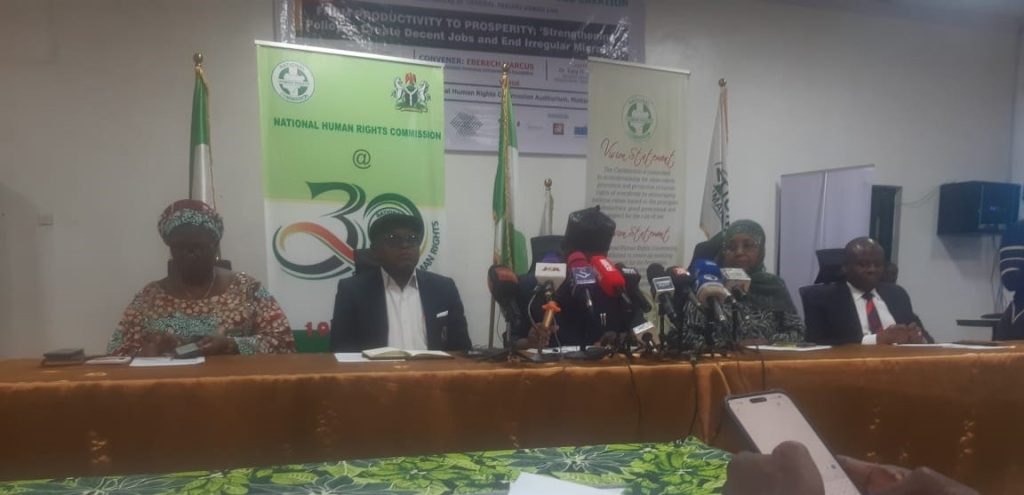
2027 ELECTIONS MUST BE ABOUT IDEAS, NOT IDENTITY
The NHRC said elections should provide citizens with an opportunity to determine their political future through peaceful democratic participation.
It urged political actors to make the 2027 elections contests over:
Policies.
Programmes.
Competence.
Performance.
Leadership.
Rather than contests driven by ethnic hostility, religious antagonism or personal demonisation.
According to the Commission, unchecked divisive rhetoric could produce political violence, communal tensions, displacement, voter intimidation and suppression of civic participation.
It could also damage democratic institutions and create social divisions that survive long after the election results have been announced.
POLITICAL PARTIES PUT ON NOTICE
The NHRC called on political parties to take greater responsibility for the conduct of their members, supporters and candidates.
Party leadership, it said, should strengthen internal mechanisms for identifying and sanctioning inflammatory or intimidating rhetoric.
The Commission also urged parties to promote issue-based campaigns that respect human rights.
The message effectively places a responsibility on political parties to police their own political communication rather than waiting for security agencies or courts to intervene.
RELIGIOUS AND TRADITIONAL LEADERS URGED TO PROMOTE PEACE
The Commission also appealed to religious, traditional and community leaders to use their influence to promote tolerance, mutual respect and peaceful coexistence.
Ojukwu warned against using influential platforms to promote hatred, violence or division.
The appeal is significant because religious and traditional authorities retain considerable influence over public opinion in many Nigerian communities.
The NHRC wants those platforms used to reduce tensions rather than intensify them.
SECURITY AGENCIES MUST ACT—BUT WITH DUE PROCESS
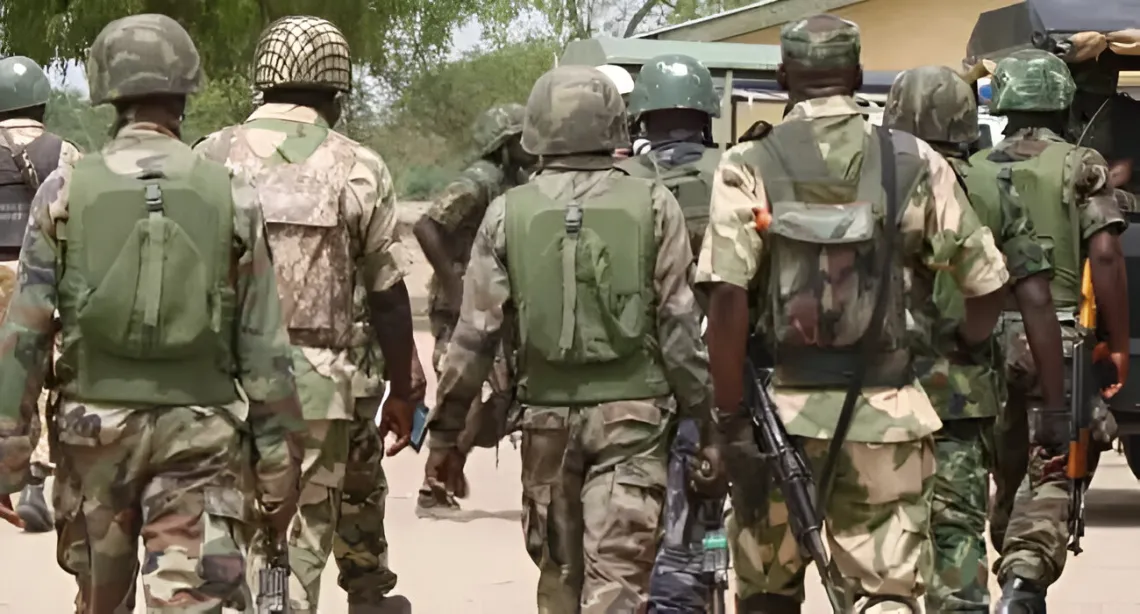
The Commission called on law-enforcement agencies and other relevant institutions to respond appropriately to credible cases involving incitement, intimidation, threats and other unlawful conduct.
However, it added an important qualification: enforcement must be conducted in accordance with the Constitution, applicable laws, due process and fundamental human-rights protections.
That position creates a delicate balance.
Authorities are expected to act against credible threats before violence occurs, but enforcement itself must not become an instrument for suppressing legitimate political expression or peaceful dissent.
The legal threshold between protected political speech and unlawful incitement will therefore remain crucial as the election season develops.
MEDIA WARNED AGAINST AMPLIFYING HATE
The NHRC also placed part of the responsibility on the media.
Journalists and media organisations were urged to maintain professional and ethical standards when reporting inflammatory statements.
The Commission warned that responsible journalism requires potentially harmful material to be handled with context, verification and public-interest considerations.
The warning is particularly relevant in an era in which controversial political statements can become national news within minutes through television, online platforms and social media.
The challenge for journalists is therefore not necessarily to suppress controversial statements, but to report them responsibly without unnecessarily amplifying content that could provoke hostility or violence.
SOCIAL-MEDIA USERS ALSO HAVE A ROLE
The NHRC extended its appeal to Nigerians who create and share content online.
It urged social-media users to verify information before circulating material capable of provoking hatred, hostility or violence.
The Commission’s warning reflects the changing nature of election communication.
Political mobilisation is no longer confined to rallies, television appearances and newspapers. False claims, edited videos, inflammatory speeches and provocative commentary can now reach millions of Nigerians almost instantly.
The responsibility for preventing escalation therefore extends beyond politicians to ordinary users who redistribute content.
YOUNG NIGERIANS URGED NOT TO BECOME ‘INSTRUMENTS’ OF INCITEMENT
Ojukwu specifically appealed to young Nigerians, who constitute a substantial portion of Nigeria’s online population.
He urged them not to allow themselves to be used as instruments for spreading inflammatory material, misinformation or hate.
The Commission’s concern is that young people can become both the primary consumers and distributors of politically charged online content, particularly during election campaigns.
Digital mobilisation can strengthen democratic participation, but it can also accelerate misinformation and online hostility.
WHAT THE NHRC WANTS STAKEHOLDERS TO DO
The Commission’s recommendations can broadly be grouped into seven areas:
1. Political leadership
Politicians should campaign on ideas, policies and records rather than hatred and division.
2. Political parties
Parties should discipline members who make inflammatory or intimidating statements and establish stronger internal safeguards.
3. Religious and traditional leaders
Influential leaders should promote tolerance and peaceful coexistence.
4. Security agencies
Authorities should investigate credible threats while respecting constitutional safeguards and due process.
5. Media organisations
Journalists should verify, contextualise and responsibly report inflammatory statements.
6. Digital platforms and users
Nigerians should avoid creating or sharing unverified material capable of provoking violence.
7. Citizens
Individuals who experience or witness human-rights violations should report them through lawful channels, including the NHRC.
Toll free line 08006472428 and the short code 6472 . A situation room is available for complaints and information.
NHRC TO MONITOR THE ELECTORAL CYCLE
The Commission said its intervention would not end with Thursday’s press conference.
It intends to continue monitoring developments, documenting human-rights concerns and engaging stakeholders throughout the electoral cycle.
The NHRC also said it would continue advocating for a human-rights-based approach to elections, placing the dignity, safety, equality and participation of Nigerians at the centre of the democratic process.
This could involve closer monitoring of political rhetoric, threats, intimidation and other human-rights concerns as election activities intensify.
THE BIGGER QUESTION: WHERE DOES POLITICAL SPEECH END AND INCITEMENT BEGIN?
The NHRC’s warning highlights one of the most difficult challenges confronting democratic societies.
Political campaigns require robust debate, criticism and sometimes harsh disagreement.
Democracy cannot function if legitimate criticism is automatically labelled hate speech.
At the same time, freedom of expression cannot be used as a shield for explicit threats, calls for violence, dehumanisation or targeted intimidation.
The challenge for Nigerian institutions will be to distinguish between protected political expression and unlawful incitement without allowing either political power or security institutions to manipulate the distinction.
That will require clear laws, credible investigations, independent institutions and consistent enforcement.
The NHRC’s intervention represents an early warning ahead of what is likely to be an increasingly competitive and contentious 2027 electoral cycle.
Nigeria’s political diversity is not itself a threat to democracy. The danger emerges when political competition transforms differences of opinion, ethnicity, religion or ideology into justification for treating fellow citizens as enemies.
The Commission’s central message is therefore preventive: act before rhetoric becomes violence.
Political leaders must accept responsibility for the language they use. Parties must control their supporters. Religious and traditional leaders must resist inflammatory narratives. Security agencies must enforce the law impartially. Journalists must report responsibly. And citizens must think critically before sharing provocative material online.
The success of Nigeria’s 2027 elections will not be measured only by the number of people who vote.
It will also be measured by whether citizens can campaign, assemble, speak, vote and participate in political life without fear of violence, intimidation or discrimination.
As Ojukwu put it, Nigeria must learn to disagree without dehumanising one another, compete without destroying one another and campaign without inciting one another.
For a country with more than 250 ethnic groups, numerous religious traditions and deep regional political identities, the preservation of democratic competition without social fragmentation may be one of the defining challenges of the 2027 elections.
Nigeria’s 2027 election will test more than the ballot box: it will test whether the country can sustain fierce political competition without allowing rhetoric, misinformation and identity politics to become triggers for violence.
A1NEWS International will continue to monitor political rhetoric, election-related human-rights concerns and institutional responses as Nigeria moves towards the 2027 general elections.

Leave a Reply