
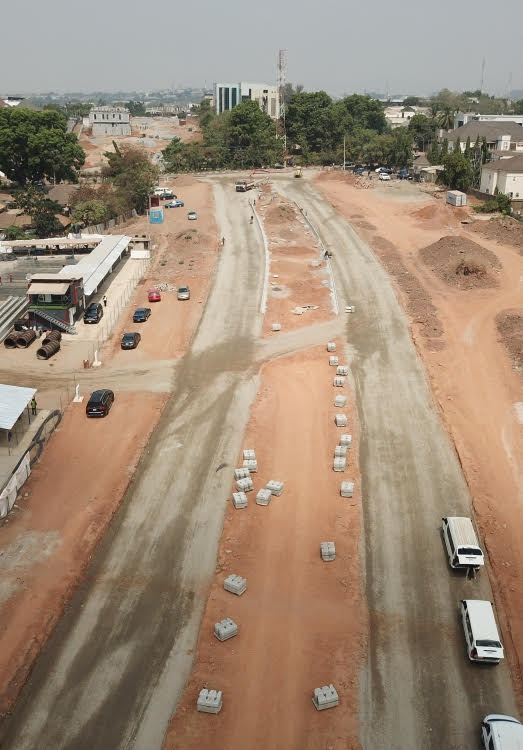
Massive road expansion across Abuja’s outskirts signals shift toward inclusive development.
By Baron Eloagu | Abuja, Nigeria
The Federal Capital Territory (FCT) Administration has intensified road construction across satellite communities in a bid to expand economic opportunities and reduce rural isolation. Authorities say the infrastructure push is already reshaping mobility, access to services, and local economies.
Driven by the Renewed Hope Agenda, officials argue the strategy targets long-standing disparities between Abuja’s city centre and its hinterlands.
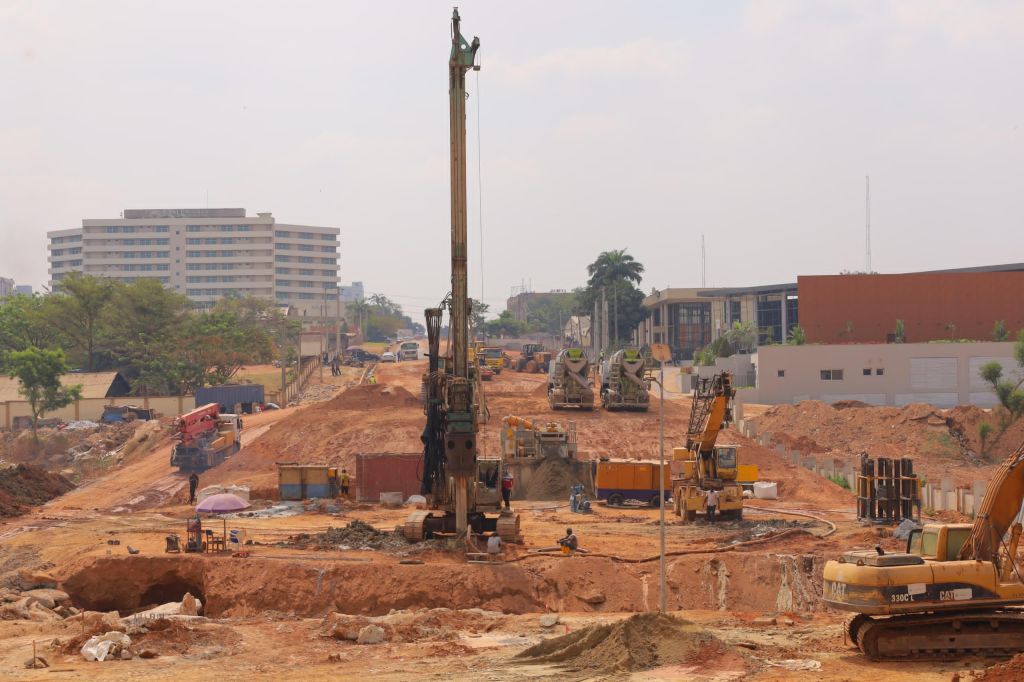
Rural infrastructure investment has long been identified as a high-impact driver of economic and social transformation, particularly in developing regions. In Nigeria, multiple studies link improved rural road networks to increased household income, reduced transport costs, and lower poverty rates.
In the FCT, this model is now being deployed at scale.
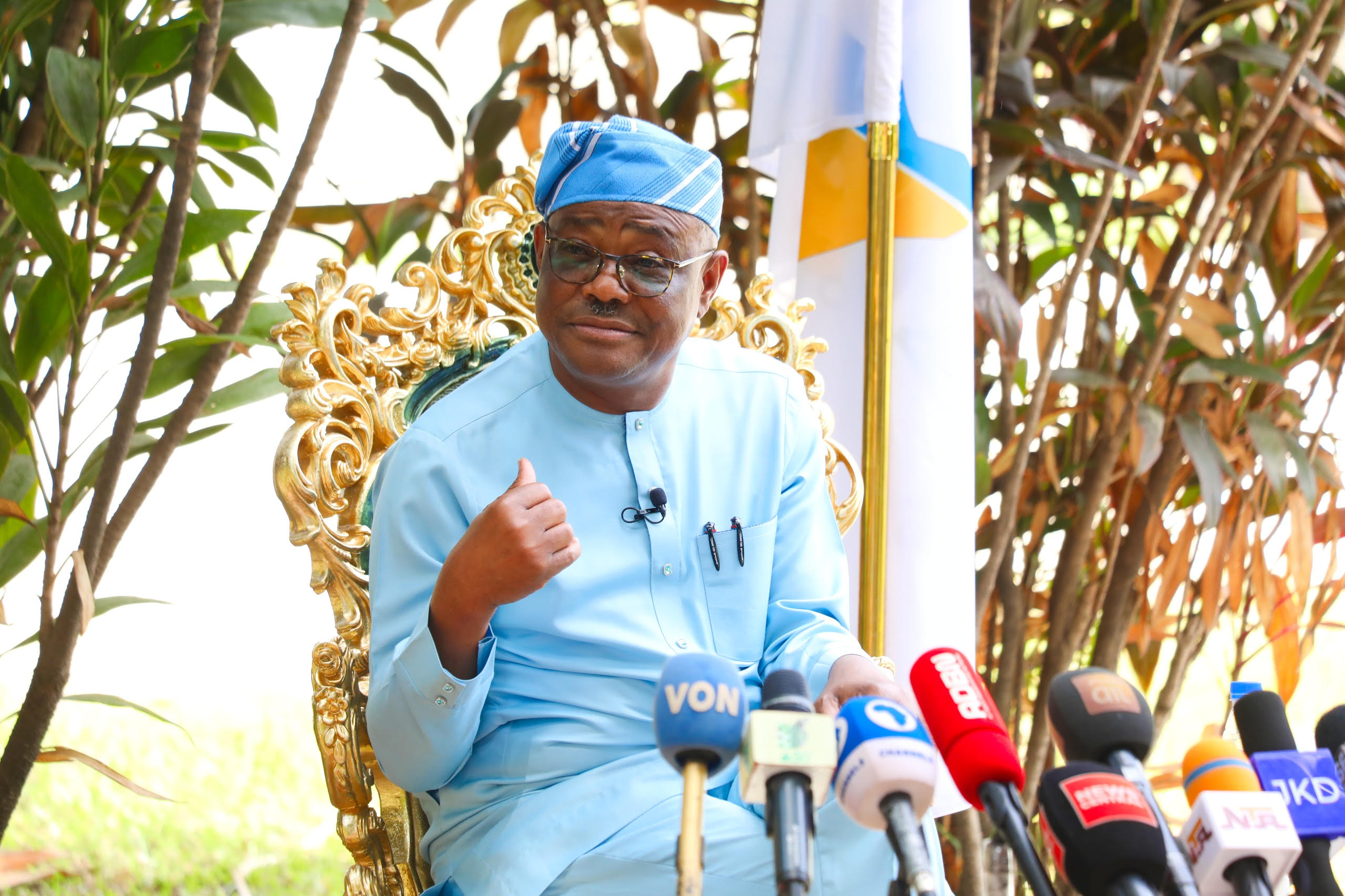
The Minister of the FCT, Nyesom Wike, said the ongoing expansion of road infrastructure in satellite towns reflects a directive to decentralise development and extend growth beyond Abuja’s urban core.
Speaking after inspecting projects in Karu, Karshi, Bwari, and Kubwa, Wike said the initiative is designed to integrate rural communities into the capital’s economic framework.
“It’s a directive from Mr. President that there should be a massive road network in the satellite towns, not just in the city,” he stated.
He added that improved connectivity would enhance mobility, strengthen security, and expand access to healthcare, education, and markets.
Inside Key Road Projects
Several strategic corridors are at different stages of completion, with timelines stretching into 2026.
The Karu Bridge–Custom Clinic corridor, handled by Abdul Val Nigeria Limited, is expected to be completed between May and June 2026. The project is projected to improve intra-community movement and stimulate commercial activity in the Karu axis.
The Apo–Karshi road, initially awarded in 2010 but stalled for years, has been revived after contract termination and re-awarded to a new contractor. Authorities say the road is critical to linking underserved communities and is now targeted for completion by the end of 2026.
Wike emphasised urgency in delivering the project, citing its economic importance.
Transit Corridors to Ease Urban Pressure
Additional projects include the Bwari–Kubwa road and the rehabilitation of Gbazango Road in Kubwa. Both are expected to be completed before the end of the year.
Officials say these corridors will reduce commuting time, ease congestion, and improve property values, particularly in rapidly expanding suburban districts.
In Kwali Area Council, the 17-kilometre Gomani–Yangoji road is nearing completion and is expected to be commissioned before year-end. The road is seen as critical to unlocking agricultural productivity and improving access to markets.
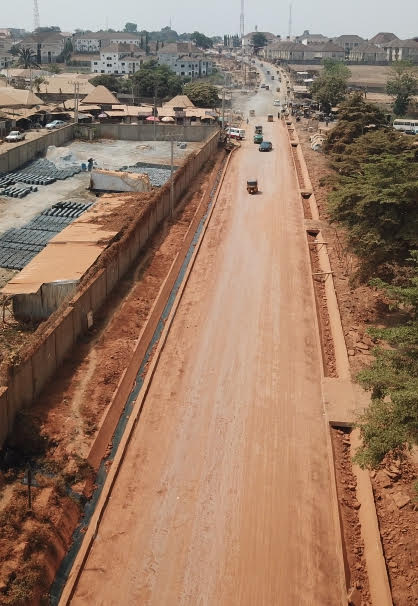
[2/12, 5:56 PM] Hajiya Rabi: An aerial view of ongoing construction of the arterial road N1 linking Wuye district and RR2 in Abuja on Thursday
Sanitation Concerns Threaten Gains
Despite the infrastructure push, the Minister raised concerns over poor sanitation in some areas.
During inspection along the Nyanya–Karshi corridor, refuse accumulation in Orozo drew sharp criticism. Wike issued a directive to the Satellite Towns Development Department (STDD) to clear the waste immediately, warning of sanctions for non-compliance.
He stressed that infrastructure development must be matched by environmental discipline, particularly as rural settlements transition into urban centres.
Infrastructure as a Development Multiplier
Globally, rural road investments are associated with measurable development gains. Improved transport networks typically enhance market access, reduce school absenteeism, and enable faster healthcare delivery.
Analysts say the FCT’s approach could also ease population pressure on Abuja’s city centre by strengthening economic activity in surrounding communities.
However, sustained impact will depend on maintenance, governance, and complementary investments in social services.
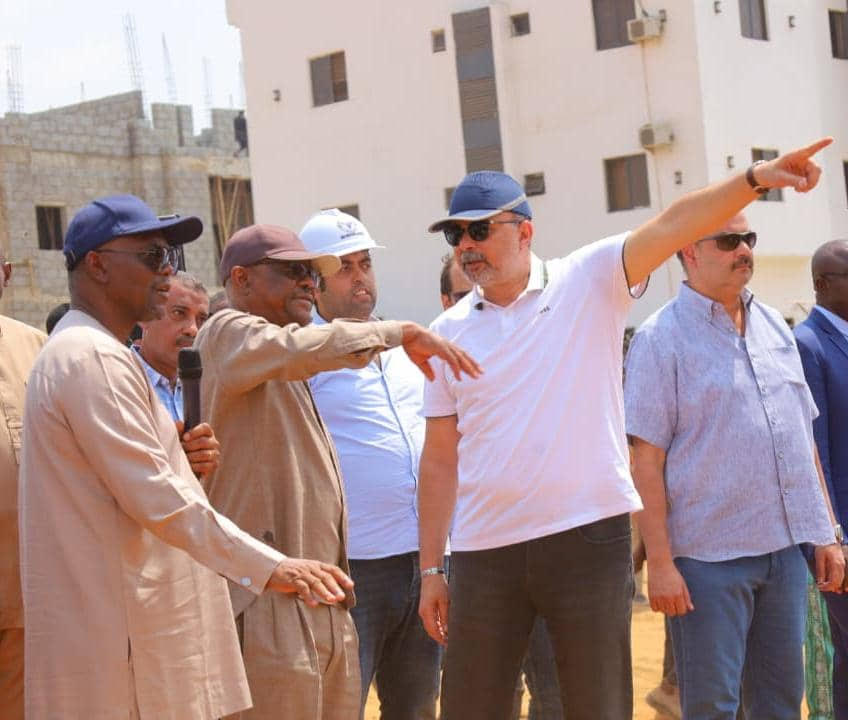
The FCT’s rural road expansion is more than an infrastructure programme—it is a structural attempt to rebalance development. If executed effectively, it could reduce inequality, limit rural-urban migration, and unlock new economic clusters. Failure, however, would reinforce a familiar pattern of abandoned projects and uneven growth.
story first published by www.facebook.com/A1 News International /










Leave a Reply