
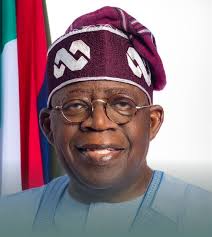
Federal Government moves to clear decade-long electricity sector debts to boost supply and investor confidence.
By John Ishaku | Abuja, Nigeria
President Bola Ahmed Tinubu has approved a ₦3.3 trillion payment plan to settle longstanding debts in Nigeria’s power sector. The move is aimed at improving electricity supply, restoring liquidity, and rebuilding investor confidence across the industry.
The Presidency says implementation is already underway, with initial disbursements made to key stakeholders.
The approval was confirmed in a statement issued by presidential spokesman Bayo Onanuga, following a final review of legacy liabilities accrued under the Presidential Power Sector Financial Reforms Programme between February 2015 and March 2025.
According to the statement, the ₦3.3 trillion figure represents a “full and final settlement” after verification of outstanding debts owed to participants in the electricity value chain.
So far, 15 power generation companies have signed settlement agreements valued at ₦2.3 trillion, while the Federal Government has raised ₦501 billion to fund the initiative. Of this amount, ₦223 billion has already been disbursed, with further payments ongoing.
The government noted that clearing the debts is expected to improve cash flow across the sector, ensuring that generation companies, gas suppliers, and other service providers can operate more efficiently.
Restoring Sector Confidence
Special Adviser to the President on Energy, Olu Arowolo-Verheijen, said the initiative is designed to stabilise the entire electricity ecosystem.
She explained that beyond settling debts, the programme is intended to ensure timely payments to gas suppliers and sustain power plant operations, thereby improving reliability.
The reforms also include expanded metering and the adoption of service-based tariffs, linking electricity costs to quality of supply.
Persistent Power Challenges
Nigeria’s electricity sector has struggled for years with low generation capacity, frequent grid collapses, and widespread outages affecting households and businesses.
A 2024 report by Standard Bank estimates that Nigeria loses about $26 billion annually due to power shortages, with businesses spending an additional $22 billion on alternative energy sources such as generators.
The Presidency said the next phase of the reform programme, known as “Series II,” is expected to commence within the current quarter.
The debt settlement targets one of the core structural problems in Nigeria’s power sector—liquidity constraints. If sustained, improved cash flow could stabilise generation and reduce outages. However, without parallel reforms in transmission infrastructure and tariff enforcement, the impact may be limited.







Leave a Reply