
Human rights body urges rights-based security strategy amid escalating violence nationwide
By A1News International | Abuja, Nigeria
The National Human Rights Commission (NHRC) has expressed deep concern over the rising wave of terrorist attacks across Nigeria, calling for the urgent development of a comprehensive national policy focused on the protection of civilians.
In a statement, the Executive Secretary of the Commission, Dr. Tony Ojukwu, SAN, condoled with the Nigerian military and governments of affected states, including Borno, Niger, Benue, Kaduna, Kwara, Sokoto, and Plateau, over recent attacks that have resulted in significant casualties and destruction.
Escalating Attacks Raise National Concern
The Commission said the increasing frequency, scale, and geographic spread of attacks in recent months highlight a worsening security situation.
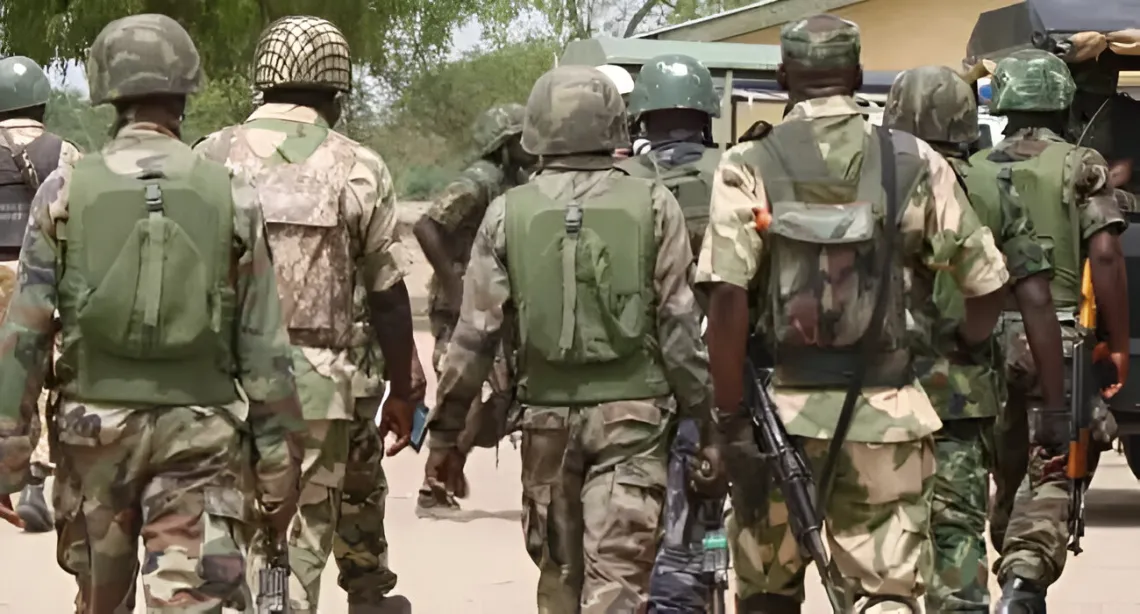
According to the NHRC, both military formations and civilian targets—such as markets, places of worship, hospitals, and rural communities—have come under coordinated assaults.
It cited recent incidents in the North-East, particularly in Borno State, where military bases were attacked, leading to the loss of personnel. The Commission also noted suicide bombings in civilian areas, including markets and hospitals in Maiduguri.
Beyond the North-East, the NHRC pointed to mass casualty attacks in Niger, Benue, and Kwara states, as well as targeted violence against worshippers in Kaduna and recurring attacks in Sokoto and Plateau states.
Ojukwu described the pattern as a “systematic assault” on the right to life, dignity, and security, as guaranteed under Nigeria’s Constitution and international human rights laws.
Call for Rights-Based Security Framework
While acknowledging the efforts and sacrifices of the Armed Forces, the Commission stressed that civilian protection must become the central objective of all security operations.
Ojukwu urged the Federal Government to urgently adopt a National Policy on the Protection of Civilians, anchored on human rights principles.
He outlined key components of the proposed framework, including prioritising civilian safety in conflict zones, ensuring accountability for violations by both state and non-state actors, and providing rehabilitation and support for victims.
The policy, he said, must also enforce adherence to international humanitarian standards such as distinction, proportionality, and precaution in military operations.
Need for Preventive and Coordinated Response
The NHRC warned that the evolving nature of the violence—characterised by coordinated attacks, suicide bombings, and cross-regional spread—requires a more preventive and structured national response.
It called for stronger early warning systems, improved community engagement, and enhanced protection mechanisms in high-risk areas.
The Commission further emphasised that affected populations must be treated as rights-holders, not collateral damage, stressing that their dignity and participation must be central to national security strategies.
Commitment to Collaboration
The NHRC reaffirmed its commitment to working with federal and state governments, security agencies, and civil society organisations to strengthen Nigeria’s response to terrorism.
It maintained that integrating human rights into security operations is essential for achieving sustainable peace and maintaining public trust.









Leave a Reply