
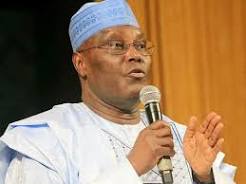
Former Vice President faults President’s comparison with Kenya, cites declining purchasing power and rising cost of living
By John Ishaku | Abuja, Nigeria
Former Vice President Atiku Abubakar has criticised President Bola Ahmed Tinubu over his recent comparison of Nigeria’s petrol prices with those of other African countries, arguing that Nigerians are economically worse off despite relatively lower fuel costs.
The remarks add to growing debates over the impact of current economic policies on citizens.
Atiku’s position was conveyed in a statement issued on Saturday in Abuja by his Senior Special Assistant on Public Communication, Phrank Shaibu.
The response followed comments by President Tinubu during a visit to Bayelsa State, where he urged Nigerians to appreciate that petrol prices remain lower than in countries such as Kenya, while acknowledging prevailing economic hardship and promising relief for vulnerable groups.
‘Misplaced Comparison’
Reacting to the President’s remarks, Atiku described the comparison as “curious and troubling,” stating that it failed to reflect the broader economic realities confronting Nigerians.
According to him, focusing solely on fuel prices ignores more critical indicators such as purchasing power, income levels, and the overall cost of living.
“It is both curious and troubling that the President would isolate fuel prices as a metric of economic comfort while ignoring far more critical indicators,” the statement read.
Cost of Living Concerns
The former Vice President argued that while petrol prices in Nigeria may appear lower than in countries like Kenya and South Africa, such comparisons are misleading when placed alongside prevailing economic conditions.
He maintained that the cost of living in Nigeria has risen significantly, making daily survival more expensive for the average citizen.
Atiku also pointed to declining earning power among Nigerians, contrasting it with income levels in other African economies.
Debate Over Economic Policy
The exchange highlights ongoing disagreements between political leaders over the effectiveness of current economic policies, particularly following fuel subsidy reforms and currency adjustments.
Analysts say the debate underscores the need for a more comprehensive assessment of economic wellbeing beyond isolated indicators such as fuel pricing.
As economic pressures persist, the discussion around fuel prices, purchasing power, and cost of living is expected to remain central to Nigeria’s policy and political discourse.
Observers note that public perception of economic performance will play a key role in shaping future political alignments.








Leave a Reply