
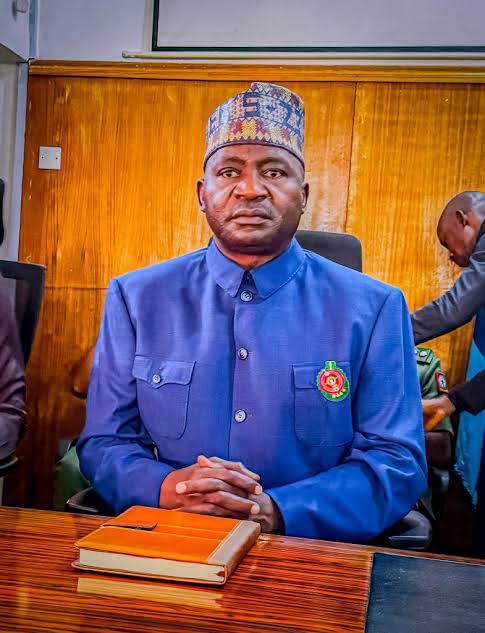
General Christopher Musa (Rtd.) says President Tinubu’s 30–80% salary increase for Armed Forces personnel will strengthen troop morale, improve welfare and enhance military operations nationwide as the annual wage bill rises to ₦924 billion.
By Amarachi Odenigbo
ABUJA, Nigeria — August 5, 2026
Nigeria’s Minister of Defence, General Christopher Musa (Rtd.), has assured President Bola Ahmed Tinubu of the Armed Forces’ renewed commitment to intensifying military operations against terrorism, banditry, kidnapping, oil theft and other security threats following the Federal Government’s approval of a substantial salary increase for military personnel.
The minister described the new remuneration package as one of the most significant welfare interventions for members of the Armed Forces in recent years, saying it demonstrates the Tinubu administration’s resolve to improve troop welfare while strengthening Nigeria’s national security architecture.
The salary review, which takes effect from September 1, 2026, is expected to benefit approximately 250,000 military personnel across the Army, Navy and Air Force.
Military Salary Review Signals Major Welfare Reform
In a statement released through his Special Adviser on Media and Publicity, Leah Katung-Babatunde, General Musa commended President Tinubu for approving salary increases ranging from 30 per cent to 80 per cent, depending on rank.
Under the new structure:
- Privates to Staff Sergeants will receive an 80% salary increase.
- Warrant Officers to Colonels will benefit from a 50% increase.
- Senior officers above the rank of Colonel, including Generals, will receive a 30% increase.
The new salary structure increases the Federal Government’s annual military personnel expenditure from ₦660 billion to ₦924 billion, representing one of the largest investments in troop welfare in recent years.
According to the Defence Minister, the tiered structure reflects the administration’s deliberate focus on supporting junior personnel who constitute the bulk of frontline troops engaged in combat operations.
Tinubu Demonstrates Commitment to Troop Welfare
General Musa described the salary adjustment as evidence of President Tinubu’s commitment to rewarding the sacrifices made daily by members of the Armed Forces.
He noted that Nigerian soldiers continue to confront some of the country’s most dangerous security challenges under extremely demanding conditions.
“His Excellency, President Bola Ahmed Tinubu has once again demonstrated unwavering leadership and empathy for the brave men and women who put their lives on the line daily to preserve the peace and territorial integrity of our nation,” the minister stated.
He added that by significantly increasing personnel funding, the President had translated policy promises into practical action.
According to him, improved welfare remains fundamental to maintaining a motivated and professional military capable of responding effectively to evolving security threats.
Renewed Commitment to Defeat Insecurity
The Defence Minister assured Nigerians that the improved welfare package would be matched by greater commitment from troops serving across various theatres of operation.
He pledged renewed military determination to intensify operations against:
- Boko Haram insurgency in the North-East.
- ISWAP terrorist activities.
- Armed banditry in the North-West.
- Kidnapping networks nationwide.
- Oil theft and pipeline vandalism in the Niger Delta.
- Other threats to Nigeria’s territorial integrity.
“This gesture will be met with renewed vigour, uncompromising discipline and heightened operational effectiveness,” General Musa assured.
He emphasised that improved welfare would further strengthen troop morale and reinforce confidence among personnel deployed in high-risk operational environments.
A Boost for Frontline Troops
Security analysts have long argued that improved remuneration is essential to sustaining military effectiveness.
For years, concerns have been raised over the welfare of troops confronting terrorism, insurgency and organised crime, with experts noting that better pay and improved conditions of service contribute to higher morale, professionalism and operational efficiency.
The latest salary review is therefore being viewed as an important component of broader efforts to strengthen Nigeria’s security institutions.
Modernising Nigeria’s Armed Forces
Beyond salary improvements, General Musa reaffirmed the Ministry of Defence’s commitment to implementing President Tinubu’s defence modernisation agenda.
According to him, government will continue investing in:
- Modern military equipment.
- Advanced surveillance technology.
- Intelligence capabilities.
- Training and capacity development.
- Welfare programmes for military families.
- Improved operational logistics.
He said these reforms are necessary to ensure Nigerian security forces remain capable of responding to increasingly sophisticated security threats.
Security Challenges Remain Significant
Nigeria continues to face multiple security crises across different regions.
The Armed Forces remain actively engaged in:
- Counter-insurgency operations in Borno and neighbouring states.
- Anti-banditry operations across the North-West.
- Anti-kidnapping operations nationwide.
- Maritime security and anti-oil theft missions.
- Protection of critical national infrastructure.
Military authorities have consistently maintained that improving troop welfare, equipment and intelligence support are critical pillars of long-term security sector reform.
Balancing Welfare with Accountability
While welcoming the salary increase, policy analysts note that improved remuneration alone may not resolve Nigeria’s complex security challenges.
Experts argue that sustained investment must also include:
- Better intelligence gathering.
- Enhanced inter-agency coordination.
- Modern equipment procurement.
- Improved military housing.
- Healthcare for personnel.
- Psychological support for troops.
- Greater accountability in defence spending.
They say combining welfare reforms with institutional improvements could significantly enhance operational outcomes.
A Message to the Armed Forces
The Defence Minister urged officers and soldiers to regard the improved conditions of service as both recognition of their sacrifices and a renewed call to national duty.
He encouraged personnel to remain disciplined, professional and committed to protecting the lives and property of Nigerians.
According to him, the Federal Government expects measurable improvements in operational performance as welfare conditions improve.
Conclusion
The Federal Government’s approval of a 30–80 per cent salary increase for members of the Armed Forces marks a significant milestone in Nigeria’s ongoing efforts to strengthen military welfare and improve national security.
As approximately 250,000 personnel prepare to benefit from the new salary structure beginning September 1, expectations are equally rising that enhanced motivation, improved morale and continued investment in defence capabilities will translate into more effective operations against terrorism, banditry, kidnapping and other threats confronting the nation.
Whether the welfare package ultimately delivers the desired security outcomes will depend on how effectively it is complemented by continued reforms in equipment, intelligence, training and institutional accountability.








Leave a Reply