
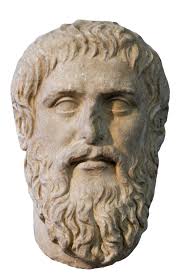
Political philosophers, civil rights leaders and public figures stress that democracy thrives when citizens participate actively in the electoral process
By Baron Eloagu
ABUJA, Nigeria — June 29, 2026
As conversations about governance, accountability and electoral reforms continue across Nigeria and other democracies, timeless reflections from some of history’s most influential thinkers are once again drawing attention to the importance of civic participation.
From the ancient philosophers of Greece to modern civil rights advocates and political leaders, a common message resonates across generations: democracy functions best when citizens actively participate in choosing their leaders.
While some of the quotations frequently circulated on social media have disputed or uncertain historical attributions, the underlying themes continue to shape public discourse on responsible citizenship, electoral participation and democratic accountability.
Voting as a Civic Responsibility
Political scholars have consistently argued that elections provide citizens with one of the most direct opportunities to influence governance.
A widely circulated quotation attributed to the ancient Greek philosopher Plato states:
“One of the penalties for refusing to participate in politics is that you end up being governed by your inferiors.”
Although historians debate whether Plato expressed those exact words, the sentiment reflects ideas found throughout his political philosophy regarding civic engagement and leadership.
Similarly, another quotation commonly attributed to Socrates suggests:
“The wise who refuse to rule should prepare to suffer the rule of fools.”
Like many ancient quotations, the exact wording remains uncertain, but it captures longstanding philosophical arguments about the consequences of political disengagement.
Democracy Depends on Informed Citizens
Several modern thinkers have also emphasized that democracy requires informed and active participation.
A quotation often attributed to writer George Orwell argues:
“People who elect corrupt politicians, impostors, thieves and traitors are not victims, but accomplices.”
However, researchers have noted that there is no verified evidence Orwell made this exact statement. Despite questions over its origin, the quotation is frequently invoked in discussions about voter responsibility and accountability.
Former United States President John F. Kennedy similarly underscored the importance of informed citizenship with the observation:
“The ignorance of one voter in a democracy impairs the security of all.”
The statement reflects the broader democratic principle that informed voting contributes to stronger institutions and national stability.
The Power of the Ballot
Throughout history, democratic leaders have highlighted the ballot as a peaceful instrument of political change.
One of the most enduring quotations, attributed to Abraham Lincoln, states:
“The ballot is stronger than the bullet.”
Although scholars have debated the precise origin of the wording, the phrase has become synonymous with the belief that democratic participation offers a more sustainable path to societal change than violence.
Civil rights leaders have similarly encouraged citizens to view voting as both a right and a responsibility.
U.S. Senator Raphael Warnock has described voting as:
“A vote is a kind of prayer for the kind of world you desire.”
The statement reflects the symbolic and practical significance many democratic societies attach to elections.
Choosing Participation Over Apathy
Contemporary political figures have also argued against voter apathy.
Former U.S. Congressman Keith Ellison has remarked:
“Not voting is not a protest. It is a surrender.”
The statement reinforces the argument that abstaining from elections often reduces citizens’ influence over public policy rather than increasing it.
Similarly, comedian and social commentator George Carlin is frequently credited with saying:
“If you don’t vote, you lose the right to complain.”
While the quotation remains popular, Carlin’s own views on voting were often more nuanced than the abbreviated statement suggests.
Silence and Democratic Accountability
Another enduring reminder comes from civil rights icon Martin Luther King Jr., whose broader philosophy emphasized civic engagement and social justice.
One of his best-known reflections states:
“Our lives begin to end the day we become silent about things that matter.”
Although not specifically about elections, the quotation has often been cited to encourage public participation in democratic processes and advocacy for good governance.
Why Electoral Participation Matters
Political analysts note that elections remain one of the principal mechanisms through which citizens influence leadership, public policy and national development.
High voter turnout is generally associated with broader democratic legitimacy, while persistent voter apathy can weaken public confidence in democratic institutions.
Experts also caution that informed participation is equally important, encouraging citizens to evaluate candidates based on competence, integrity, policy proposals and track records rather than misinformation or narrow interests.
Whether expressed by ancient philosophers, civil rights advocates or contemporary political leaders, the recurring message remains remarkably consistent: democracy flourishes when citizens participate actively and responsibly.
While some quotations circulating online may have uncertain historical origins, their central themes continue to resonate with ongoing conversations about electoral integrity, civic responsibility and accountable leadership.
As future elections approach, these reflections serve as a reminder that voting represents not only a constitutional right but also an opportunity for citizens to shape the direction of their communities and their nation.



Leave a Reply