
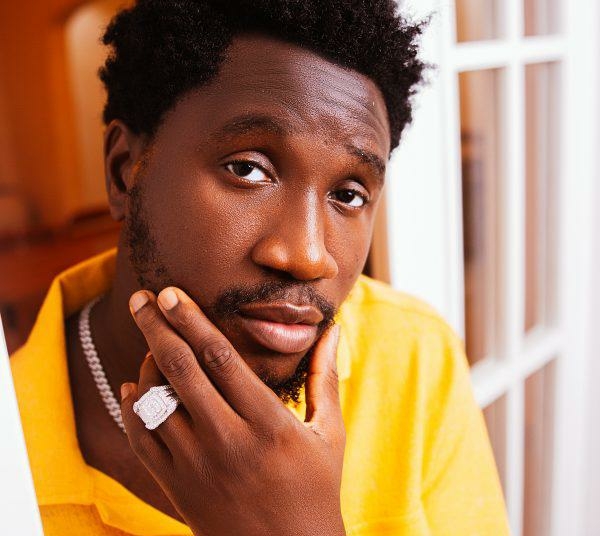
Comedian-turned-musician accuses entertainment platforms of amplifying gossip while neglecting critical national issues and celebrity advocacy on insecurity
By A1NEWS International / May 30, 2026
LAGOS, NIGERIA —Popular Nigerian comedian, actor and musician, Nasboi, has sparked fresh debate over media priorities in the country’s entertainment industry after accusing some bloggers and online news platforms of engaging in selective reporting that promotes celebrity gossip while sidelining important national conversations.
The entertainer expressed frustration over what he described as a deliberate pattern by certain blogs to ignore his repeated commentary on insecurity and other pressing national issues, while giving prominence to less consequential social media posts capable of generating controversy and online engagement.
His remarks have reignited discussions about the role of digital media, celebrity influence, public interest journalism and the growing tension between audience-driven content and socially responsible reporting.
Nasboi Questions Media Priorities
In a series of comments posted on his social media platforms, Nasboi argued that he has consistently used his influence to draw attention to Nigeria’s worsening security situation, yet receives little or no media coverage whenever he speaks on such matters.
According to him, bloggers often ignore his advocacy-related posts while highlighting casual or humorous tweets that have little connection to national discourse.
The entertainer maintained that this pattern creates a misleading public perception that celebrities are indifferent to societal problems when, in reality, many actively engage in discussions surrounding governance, insecurity and public welfare.
“There is no celebrity in Nigeria who talks about insecurity in our country more than me. You can check it on Twitter. But whenever I speak about it and also tweet normal things, the only tweets Nigerian bloggers pick are the random ones, while they ignore the important tweets,” he said.
Celebrity Gossip Versus Public Interest Reporting
Nasboi’s criticism extended beyond his personal experience to what he described as a broader trend within Nigeria’s entertainment media ecosystem.
He questioned the amount of attention often devoted to celebrity relationships, marital disputes and personal controversies, arguing that such stories frequently overshadow issues that directly affect the lives of millions of Nigerians.
Citing reports surrounding the marriage of television personality Frank Edoho, Nasboi suggested that many media platforms prioritize sensational stories because they attract traffic and engagement.
According to him, this emphasis on entertainment gossip has contributed to the marginalization of conversations around insecurity, economic hardship and other national concerns.
“What is our business with the issue between Frank Edoho’s marriage? What concerns us about it? Nigerian bloggers will amplify those kinds of stories instead,” he stated.
Growing Debate Over Digital Journalism
The comments have generated mixed reactions among media professionals, content creators and social media users.
Supporters of Nasboi argue that his concerns reflect a growing challenge within digital journalism, where competition for clicks, shares and advertising revenue often influences editorial decisions.
Media analysts note that celebrity controversies tend to generate higher audience engagement than policy discussions or security-related reports, prompting many platforms to prioritize stories capable of driving traffic.
However, critics contend that bloggers and media outlets merely respond to audience demand and that readers themselves largely determine which stories gain visibility through clicks, comments and shares.
The debate highlights the increasingly complex relationship between journalism, entertainment and digital algorithms in an era where online visibility often dictates editorial focus.
The Role of Celebrities in National Conversations
Over the years, Nigerian celebrities have become increasingly vocal on issues ranging from insecurity and governance to police brutality, youth empowerment and economic reforms.
The #EndSARS movement particularly demonstrated the influential role entertainers can play in shaping public discourse and mobilizing civic engagement.
Many public figures have since continued using social media as a platform to raise awareness about national challenges, although several have complained that such interventions often receive less coverage than their personal lives.
Nasboi’s remarks therefore underscore a broader concern among public figures who believe their social advocacy efforts are frequently overshadowed by sensational headlines.
Media Responsibility And Public Interest
The controversy also raises important questions about the balance between audience preferences and journalistic responsibility.
While entertainment journalism remains a legitimate and profitable segment of the media industry, experts argue that news organizations must also maintain a commitment to informing the public about issues that affect national development and public welfare.
Advocates of public-interest journalism maintain that media platforms have a responsibility to amplify conversations around insecurity, education, healthcare and governance, regardless of whether such stories generate the same level of engagement as celebrity gossip.
As Nigeria continues to grapple with security and economic challenges, the debate over media priorities is likely to remain a recurring issue among journalists, content creators and public figures alike.
Nasboi’s criticism of Nigerian bloggers has reopened discussions about the direction of digital journalism and the role of media platforms in shaping public discourse. While entertainment content remains highly popular among audiences, the musician insists that critical issues such as insecurity deserve equal attention and amplification.
Whether his concerns will influence editorial practices remains uncertain, but the controversy has once again highlighted the growing tension between viral content, audience engagement and socially responsible reporting in Nigeria’s digital media landscape.


Leave a Reply