
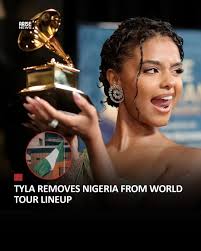
Lagos Disappears From Grammy Winner’s Tour Schedule as Xenophobia Row Escalates Beyond Diplomacy Into Africa’s Entertainment Industry
By Anita Babalola
LAGOS, Nigeria | August 6, 2026
Grammy Award-winning South African singer Tyla has become the latest high-profile figure caught in the growing diplomatic and cultural fallout between Nigeria and South Africa after Lagos was quietly removed from the schedule of her upcoming world tour.
The decision, which came just days after Nigeria was listed among the tour destinations, has fueled speculation that mounting public pressure and a boycott campaign linked to recent anti-migrant protests in South Africa may have influenced the change.
Although neither Tyla nor her management has officially explained why Lagos disappeared from the itinerary, the development has intensified debate over whether African entertainers should be held accountable for political tensions between their home countries.
Lagos Quietly Removed From Tour Schedule
On Monday, Tyla announced dates for her highly anticipated global tour following the release of her second studio album, A*POP.
The initial schedule published on her official website listed 34 cities, including Lagos, Johannesburg and Cape Town.
However, by Friday, an updated itinerary no longer included Lagos.
The unexplained alteration immediately attracted widespread attention across Nigerian social media platforms, where many users linked the decision to an ongoing online campaign urging the singer to stay away from Nigeria until attacks on foreign nationals in South Africa are addressed.
Neither Tyla nor her representatives had publicly commented on the change at the time of publication.
Boycott Campaign Gains Momentum
The controversy intensified after an online petition titled:
“Ban Tyla from entering Nigeria until xenophobic attacks stop in South Africa.”
The petition rapidly gathered thousands of signatures from Nigerians demanding that South African celebrities publicly condemn violence targeting migrants before receiving support from Nigerian audiences.
Many social media users accused Tyla of remaining silent despite repeated reports of attacks against African migrants, including Nigerians, living in South Africa.
On her social media pages, where the original tour announcement remains visible, numerous Nigerian fans urged her to cancel any planned performance in Lagos unless she publicly addressed the ongoing crisis.
Entertainment Industry Drawn Into Diplomatic Crisis
The controversy reflects broader tensions between Nigeria and South Africa, whose diplomatic relations have deteriorated following renewed allegations of xenophobic violence against foreign nationals.
Nigeria has repeatedly expressed concern over attacks on its citizens and accused South African authorities of failing to adequately protect African migrants.
Recent protests in South Africa calling for undocumented migrants to leave the country have reportedly led to the departure of tens of thousands of foreign nationals, including many Nigerians returning through organized repatriation flights.
Although both governments have held diplomatic discussions aimed at reducing tensions, the disagreement has increasingly spilled into sports, tourism, music and popular culture.
Artists Increasingly Face Public Pressure
Tyla is not the only South African celebrity facing criticism.
Comedian Trevor Noah also attracted backlash after appearing in a promotional campaign for South African tourism.
Critics accused him of encouraging international visitors to travel to South Africa while remaining silent on anti-migrant sentiment and violence.
The campaign generated thousands of critical comments across social media platforms, with many users questioning whether celebrities should separate their public image from national political controversies.
South Africa’s Justice Minister Mmamoloko Kubayi previously acknowledged that at least one South African artist had reportedly lost multiple performance opportunities elsewhere on the continent due to the country’s damaged international image.
She warned that the controversy could continue affecting South Africa’s cultural and tourism sectors.
Should Artists Be Held Responsible?
The debate has divided public opinion across Africa.
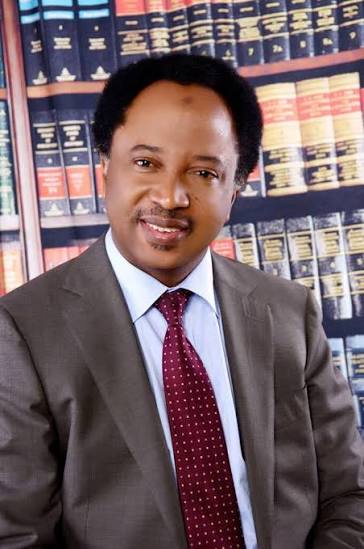
Nigerian activist and former presidential candidate Omoyele Sowore argued that responsibility for xenophobic violence should rest with political leaders rather than entertainers.
He maintained that musicians should not automatically be blamed for government failures unless there is clear evidence that they actively support discriminatory actions.
Similarly, Nigerian culture journalist Mayowa Idowu cautioned against directing public anger toward artists, noting that Tyla has collaborated with Nigerian musicians and previously performed successfully in Nigeria.
According to Idowu, while demands for accountability are understandable, targeting entertainers risks distracting attention from the underlying political and security issues.
Politics Meets Popular Culture
The controversy also reflects the growing intersection between politics and Africa’s entertainment industry.
UK-based Nigerian culture writer Dami Ajayi observed that Tyla has often become an unintended symbol of the long-running rivalry between Nigerian and South African music industries.
Her victories in the Grammy Award category for Best African Music Performance, where she defeated several Nigerian stars, intensified competitive narratives among fans despite no evidence of hostility from the singer herself.
Ajayi noted that calls for cultural boycotts have become increasingly common whenever political disputes emerge between African countries.
A Broader African Conversation
South African journalist Thango Ntwasa believes the controversy illustrates how public expectations of celebrities are changing.
According to him, artists may wish to remain politically neutral, but their influence means many citizens increasingly expect them to speak on issues affecting society.
He also warned that hostility toward South African performers across the continent could have lasting financial consequences, given that international touring represents a significant source of income for many artists.
The controversy surrounding Tyla’s tour has therefore evolved beyond a single cancelled concert into a wider debate about celebrity responsibility, public diplomacy and the role of cultural figures during periods of political tension.
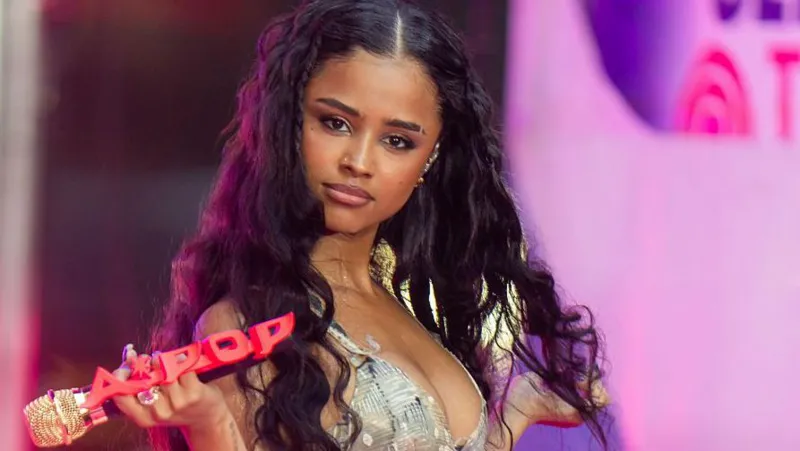
The removal of Lagos from Tyla’s world tour highlights how diplomatic disputes and public sentiment can increasingly shape Africa’s entertainment landscape.
While no official explanation has been offered for the schedule change, the incident underscores the growing influence of online activism and public opinion on international touring decisions.
Whether relations between Nigeria and South Africa improve in the coming months may determine not only future diplomatic cooperation but also the cultural exchanges that have long united two of Africa’s largest creative industries.


Leave a Reply