
By Anita Babalola
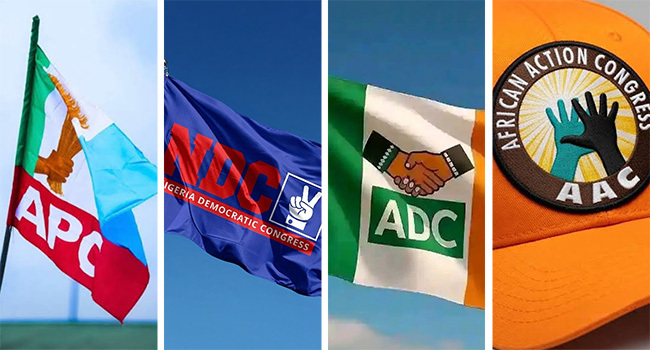
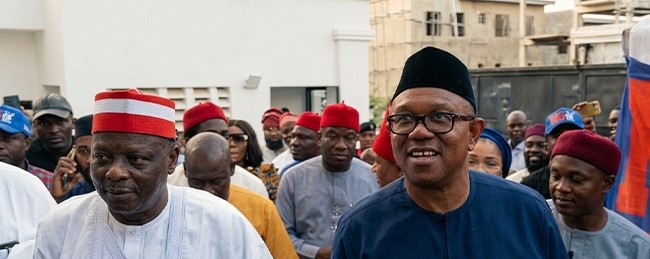
LAGOS, NIGERIA — One week into Nigeria’s formal 2027 campaign season, the most visible divide in the race is not yet ideology or messaging—it is organisational readiness. While the ruling All Progressives Congress (APC) is projecting unity around President Bola Tinubu’s re-election through state-level political mobilisations, credible reports suggest major opposition figures—including Atiku Abubakar and Peter Obi—have yet to agree on a single presidential ticket or a binding coalition structure.
In political contests, the ability to translate elite commitments into nationwide mobilisation often determines momentum early. At this stage, the APC appears to be moving faster—publicly aligning governors, consolidating party structures, and building campaign frameworks that can be deployed for funding, voter mobilisation, messaging, and election-day coordination.
Opposition leaders, however, are grappling with a broader organisational problem: coalition-building requires agreement not only on a common goal—challenging the incumbent—but also on who leads the challenge and how the coalition would function as a credible national alternative.
Political analysts say the core question for opposition parties is evolving from “Will the opposition unite?” to “Can it unite around a governing proposition, leadership arrangement, and a structure strong enough to win votes—not just attract endorsements?”
THE POLITICAL SIGNAL
APC consolidation is increasingly public; opposition unity is increasingly conditional.
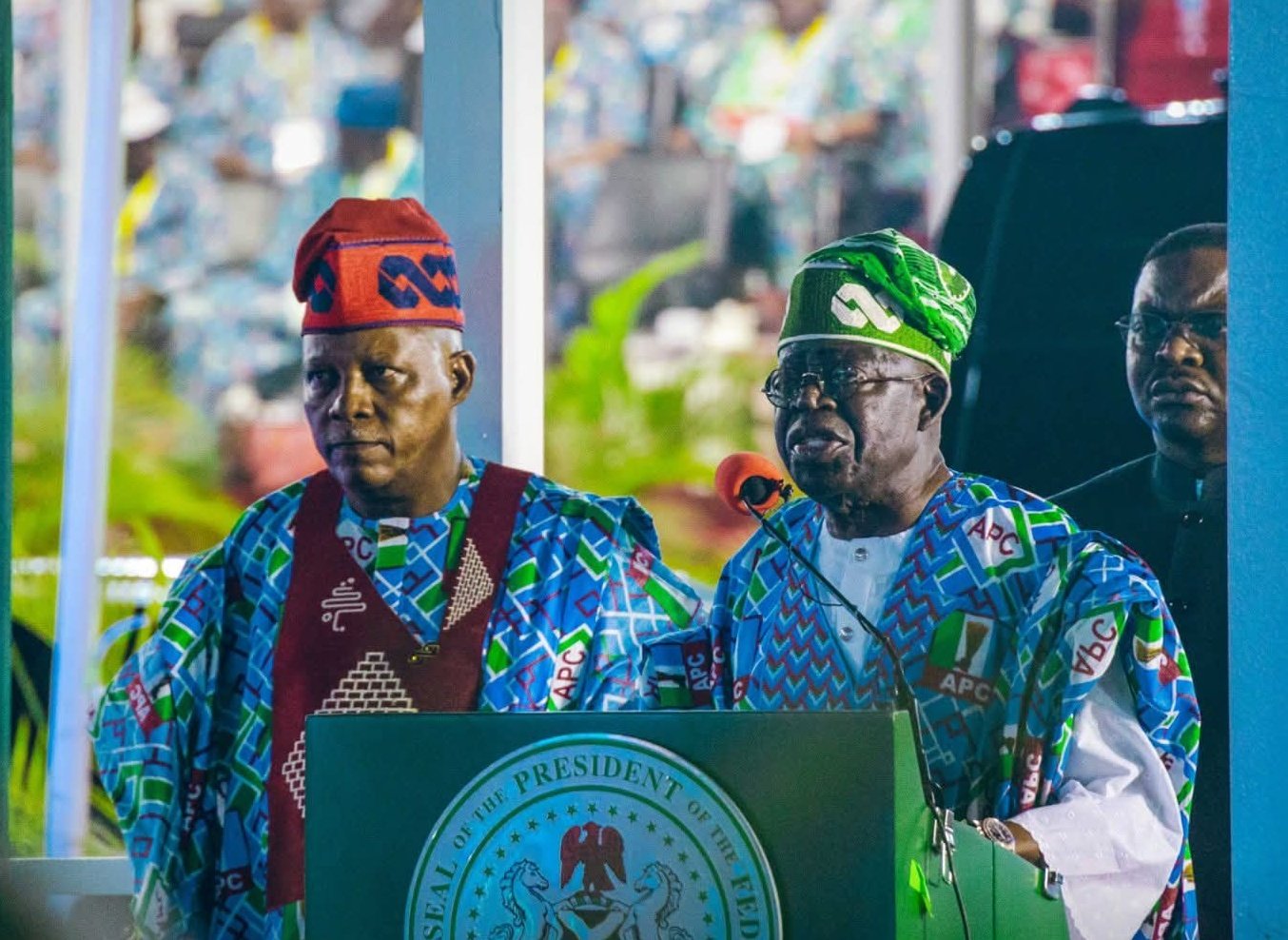
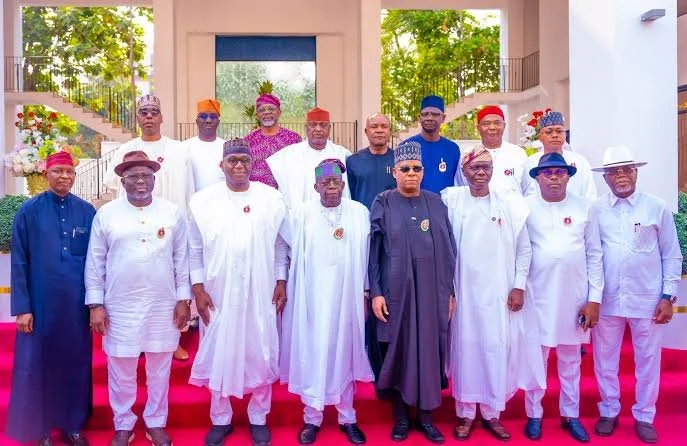
Sources within political circles indicate APC governors have reaffirmed support for Tinubu’s re-election and pledged to mobilise voters across their states. This messaging, delivered at state level, signals a campaign system already being activated.
Meanwhile, reports point to ongoing negotiations in the opposition camp, with uncertainty remaining over whether Atiku or Obi—or both—will accept a single presidential candidate arrangement, and how any coalition would be balanced to sustain voter alignment across regions.
The opposition faces two questions: unity and governing leadership
A coalition can combine networks, regional strengths, and voter constituencies—yet it cannot remain effective if leadership ambitions conflict with coalition discipline. Analysts note that opposition actors may find it easier to agree that President Tinubu should be challenged than to agree on who should spearhead that challenge.
In practice, opposition parties must move beyond simply pooling politicians. They must secure voter buy-in across multiple electorates, including communities that may support individual candidates but reject alliance arrangements or shift their support based on regional, religious, ethnic, and personal political factors.
The APC’s organisational advantage: incumbency plus state power
The APC’s advantage is anchored in incumbency and structural depth. It benefits from:
- the incumbent president’s national platform,
- large representation at the state-government level,
- established grassroots networks,
- and governors publicly committing to mobilisation efforts.
Political observers emphasise that elections are not decided by television visibility alone. They require early funding access, disciplined messaging, vote coordination machinery, and conversion of political loyalty into actual ballots.
At this stage, the APC appears better positioned organisationally to sustain campaign tempo.
Why “adding up opposition votes” may not work
A common assumption in coalition politics is that support for separate candidates can be added together automatically. Analysts caution that voter behaviour is rarely that simple. Some supporters may follow a preferred candidate into an alliance; others may abstain, reject the arrangement, or shift to alternative candidates.
That means the opposition must persuade different electorates to accept:
- a common presidential candidate,
- a coherent national narrative,
- and a credible governing direction—not merely opposition to Tinubu.
The Atiku question: experience, age, and succession politics
Atiku Abubakar has responded publicly to age-related criticism with the now-noted line: “Do I look 80?” The comment reflects a likely theme that will shape the political debate—fitness, capacity, generational change, and succession planning.
While supporters may frame experience as an advantage, opponents may argue for youth and renewal. Whether age will measurably influence voter decisions remains to be seen, but analysts expect it to remain part of campaign messaging if Atiku continues as a leading contender.
The Tinubu question: structure before sentiment
President Tinubu’s position benefits from a combination of incumbency, party organisation, governor support, and emerging campaign structures. However, analysts stress that structure is not the same as public confidence.
For re-election, the APC must not only mobilise—it must persuade. Voters ultimately judge whether the administration’s record has improved daily life and whether the country is moving in a direction they find credible.
The voter focus should shift to governing credibility
As campaigns progress, candidates are likely to face increasing scrutiny about outcomes and future plans. Analysts say the decisive 2027 conversation should move toward a practical question:
Which candidate has the most credible plan to govern Nigeria effectively?
Electoral Chessboard: regional dynamics under scrutiny
Political competition across Nigeria remains central, with each region requiring targeted mobilisation rather than assumptions of automatic support.
- North: Kaduna State’s Governor Uba Sani has predicted strong support for Tinubu and rejected claims of Northern voter shift against the President. Observers note this is a political claim by a party insider, not independent evidence—meaning Northern mobilisation will still be contested.
- South-West: Osun has previously demonstrated that APC dominance is not uniform, with opposition success proving contests can be won in the region. Whether this signals broader realignment or local dynamics remains unclear.
- South-East: Peter Obi remains a significant political figure due to the 2023 presidential campaign support he helped sustain. Yet the unresolved challenge is whether that base can translate into a nationwide coalition capable of competing beyond personal popularity.
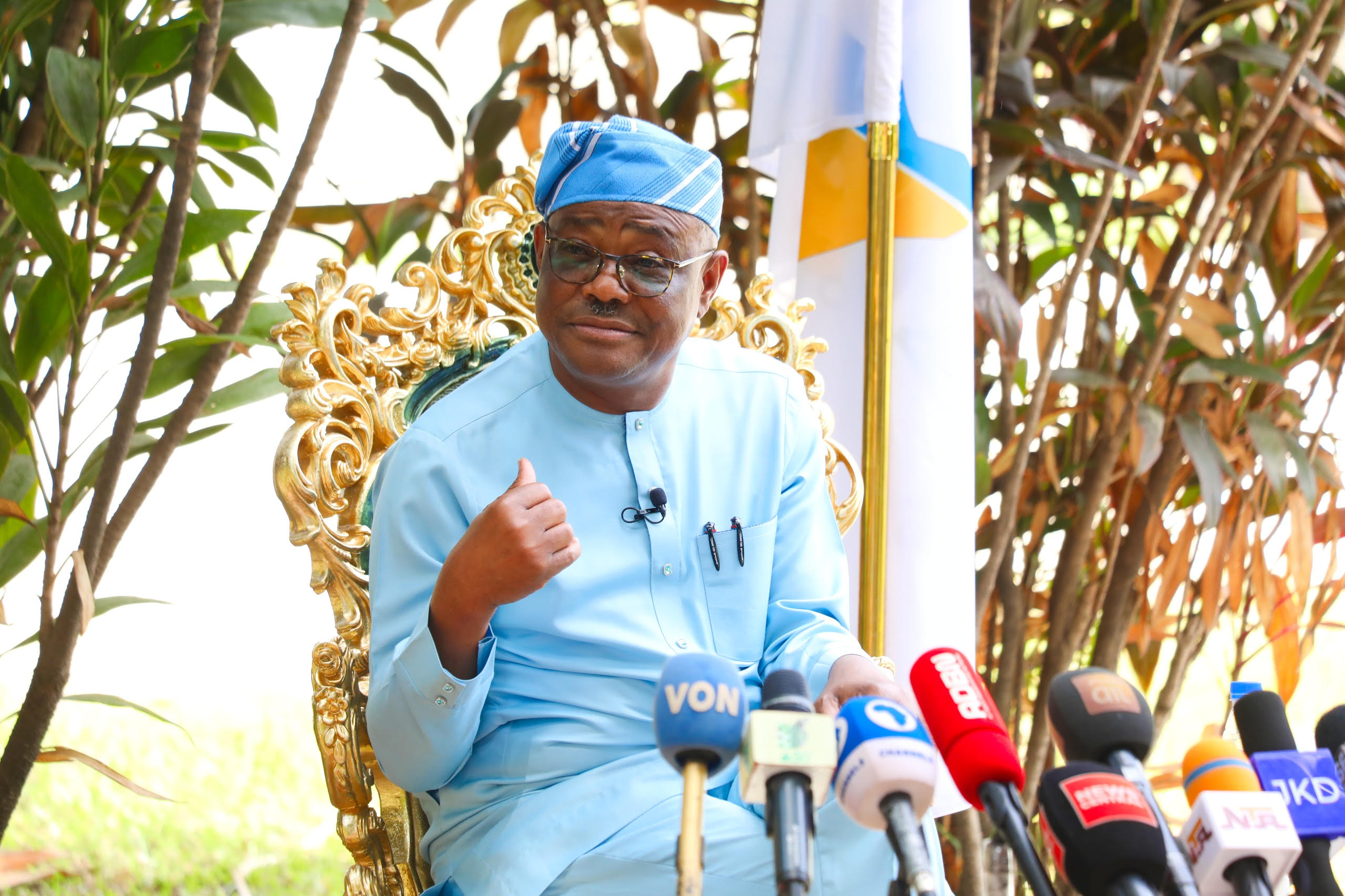
- South-South: Nyesom Wike has suggested a broader coalition supporting Tinubu is emerging. Analysts say its electoral impact depends on who joins, which political structures those participants control, and which constituencies they can credibly mobilise.
At this early stage, analysts summarise the political balance with a simple equation:
- The APC currently has the stronger structure.
- The opposition has the stronger incentive to build a coalition—but has not yet resolved leadership and coalition identity.
The 2027 contest is not ready for predictions, but the organisational trajectory is already visible. Opposition leaders must convert ambitions into a coalition, coalition into a functioning organisation, and organisation into a credible national proposition. For the APC, consolidation must be matched with persuasion—turning political structure into public confidence and demonstrating that its record merits another term.
When the campaign develops further, voters are likely to focus less on elite negotiations and more on performance—economic management, security, turnout capacity, and whether a selected candidate can be trusted to govern effectively.







Leave a Reply