
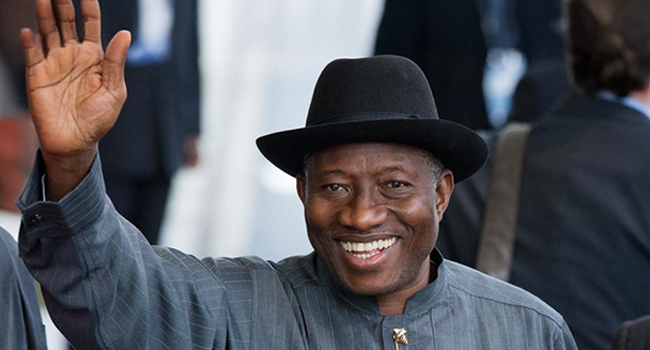
Turaki-led interim leadership alleges electoral bias, claims manual submission of Goodluck Jonathan’s candidacy, vows legal battle against what it describes as an attempt to undermine Nigeria’s multi-party democracy.
By John Ishaku
Abuja, Nigeria — August 2, 2026
Fresh controversy has erupted within Nigeria’s political landscape as the Tanimu Turaki-led faction of the Peoples Democratic Party (PDP) accused the Independent National Electoral Commission (INEC) of orchestrating a plot to hijack the opposition party and replace its presidential candidate, former President Goodluck Jonathan, ahead of the 2027 general elections.
The allegations, contained in a statement issued by the party’s Interim National Working Committee (INWC), represent one of the strongest public criticisms yet directed at the electoral commission under the leadership of Prof. Joash Amupitan.
The faction alleges that INEC has refused to recognise its leadership despite being duly constituted following judicial pronouncements, raising concerns over what it describes as institutional bias capable of weakening opposition politics and threatening Nigeria’s democratic future.
INEC had not publicly responded to the allegations as of the time of filing this report.
PDP Alleges Plot to Undermine Opposition
In the statement signed by the National Publicity Secretary of the Interim National Working Committee, Ini Ememobong, the Turaki-led faction alleged that the electoral commission is actively working to weaken the PDP and facilitate the emergence of a one-party political system.
According to the party, recent actions by INEC have created widespread concern among its members and supporters regarding the commission’s neutrality in administering the electoral process.
The party argued that an independent electoral management body must remain impartial and avoid actions capable of eroding public confidence in democratic institutions.
Jonathan Named as PDP Presidential Candidate
One of the most significant revelations in the statement is the faction’s claim that it has already submitted its list of candidates to INEC.
According to the PDP faction, the submission includes:
- Former President Goodluck Jonathan as its presidential candidate.
- Governorship candidates.
- National Assembly candidates.
- State House of Assembly candidates.
The party maintained that although INEC allegedly denied it electronic access codes required for online submission, it complied with the Electoral Act by manually submitting the nomination documents, which it said were officially acknowledged by the commission.
If confirmed, the development could significantly reshape political calculations ahead of the 2027 presidential election.
Leadership Crisis at the Centre of Dispute
The disagreement stems from the PDP’s prolonged leadership crisis.
The Turaki-led faction explained that its Interim National Working Committee was constituted by the party’s Board of Trustees (BoT) alongside a member-requisitioned National Executive Committee (NEC) following a Supreme Court judgment which, according to the faction, left the party without a legally recognised national leadership.
The interim leadership insists that it emerged through lawful internal processes and that its formation was duly communicated to INEC in accordance with relevant legal provisions.
However, the party claims the electoral commission has consistently refused to recognise the interim leadership despite repeated notifications.
Federal High Court Judgment Sparks Fresh Controversy
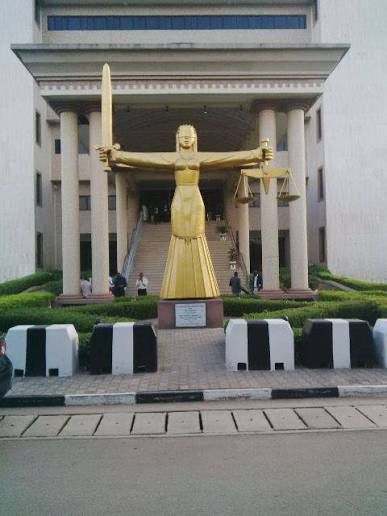
Seeking judicial intervention, the faction approached the Federal High Court in Abuja, requesting an order compelling INEC to recognise the Interim National Working Committee.
However, the court, presided over by Justice Salim Oluwasupo Ibrahim, reportedly declined to grant the relief sought.
The PDP faction criticised the judgment, arguing that it conflicted with earlier decisions of both the Supreme Court and the Court of Appeal.
According to Ememobong, the lower court ventured into issues already settled by superior courts.
The party confirmed that it has already filed an appeal challenging the judgment.
Questions Over Certified True Copy
The faction also raised concerns regarding the release of the Certified True Copy (CTC) of the judgment.
According to the party, the document was released after an unusual delay and allegedly omitted portions of the ruling delivered in open court.
While no evidence has yet been presented publicly to substantiate the claim, the PDP says the issue will form part of its ongoing legal challenge.
Legal experts note that disputes over court records can significantly influence appellate proceedings where parties allege discrepancies between oral judgments and certified copies.
Allegations of Institutional Bias Against INEC
The Turaki-led faction accused INEC of abandoning its constitutional responsibility to remain neutral.
According to the party, the commission allegedly:
- Failed to disclose material facts during court proceedings.
- Denied congresses it had previously monitored.
- Refused to comply with favourable court orders.
- Declined to recognise the interim leadership despite receiving official communications.
The party argued that these actions have strengthened public perceptions of institutional bias.
Among its criticisms, the faction referenced the circulation on social media of an image allegedly depicting the INEC Chairman wearing a cap associated with President Bola Tinubu.
While acknowledging that the image may have been artificially generated, the PDP argued that its widespread circulation reflects public perceptions regarding the commission’s neutrality.
A1NEWS International has not independently verified the authenticity of the image.
Warning Against Recognition of Rival Candidates
The PDP warned INEC against recognising or publishing candidates allegedly nominated by rival party officials whom it considers unauthorised.
According to the faction, any publication of names different from those submitted by the Interim National Working Committee would further undermine confidence in the electoral process.
The party argued that where conflicting court decisions exist and appeals remain pending, prudence requires the electoral commission to await the final judicial determination before taking administrative decisions.
Concerns Over Nigeria’s Democratic Future
Beyond the internal party dispute, the PDP framed the controversy as a broader threat to Nigeria’s democracy.
The party described attempts to weaken opposition parties as a form of “electoral authoritarianism,” warning that democracy cannot flourish where electoral institutions are perceived as partisan.
According to the statement, public confidence in elections depends largely on citizens believing that electoral referees remain independent and impartial.
The party therefore urged Nigerians to defend the country’s multi-party democratic system.
Awaiting INEC’s Response
As of the time of filing this report, the Independent National Electoral Commission had not issued an official response to the allegations made by the Turaki-led PDP faction.
Political observers note that the dispute is likely to generate further litigation as preparations intensify for the 2027 general elections.
The outcome could have significant implications for candidate recognition, party leadership and the credibility of Nigeria’s electoral process.
The latest accusations by the Turaki-led PDP faction underscore the deepening political and legal battles shaping Nigeria’s opposition landscape ahead of the 2027 elections.
While the party insists it has lawfully nominated former President Goodluck Jonathan as its presidential candidate and accuses INEC of institutional bias, the allegations remain contested and await judicial resolution.
For Nigeria’s democracy, the unfolding dispute reinforces the importance of transparent electoral administration, judicial independence and adherence to constitutional procedures. How the courts and the electoral commission respond in the coming months could significantly influence public confidence in the country’s electoral process.









Leave a Reply