
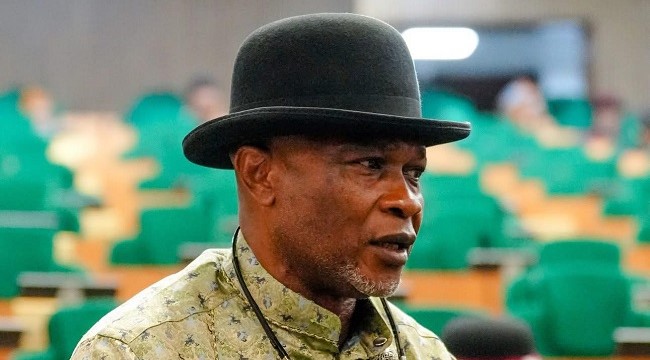
Mass Cross-Carpeting in House of Representatives Signals Growing Party Instability as Lawmakers Shift Alliances Across PDP, APC, APM, and LP
By Umar Baba / June 2, 2026
ABUJA, Nigeria — Nigeria’s House of Representatives witnessed a fresh wave of political realignments on Tuesday as Minority Leader Kingsley Chinda formally defected from the Peoples Democratic Party (PDP) to the All Progressives Congress (APC), subsequently resigning his position as Minority Leader.
The development, announced during plenary by the Speaker of the House through a formal letter dated April 23, 2026, marks one of the most significant opposition losses in the current legislative cycle and further reshapes political calculations ahead of the 2027 general elections.
Chinda’s defection is widely viewed as part of a broader political reconfiguration in Rivers State, where competing loyalties and alliances continue to redefine party strength at both state and national levels.
Chinda Steps Down as Minority Leader
Following the formal announcement of his defection, Kingsley Chinda tendered his resignation as Minority Leader of the House of Representatives.
His exit from the opposition leadership is expected to trigger internal consultations within the PDP on the selection of a replacement Minority Leader.
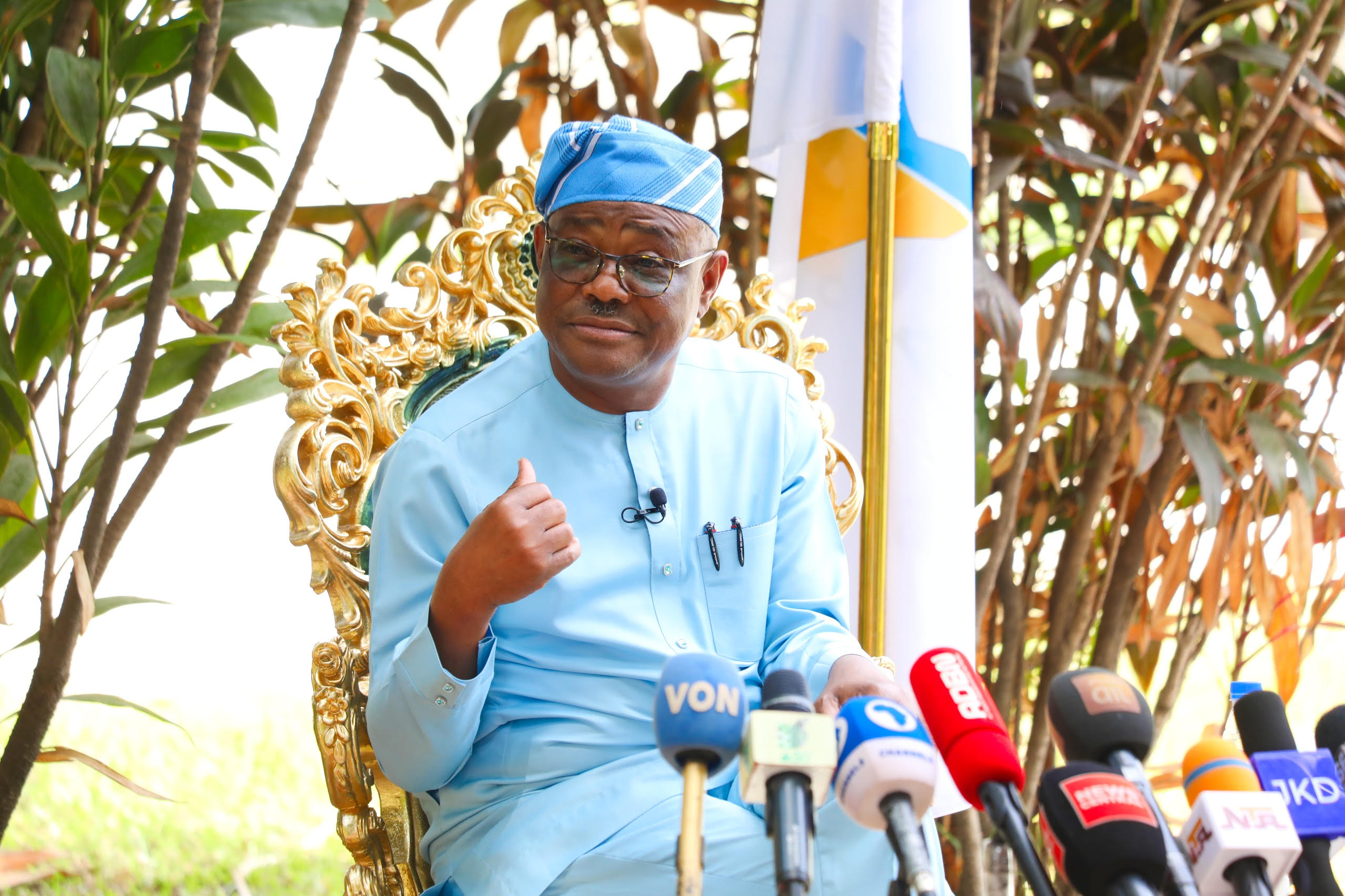
Chinda, a prominent political ally of the Minister of the Federal Capital Territory, Nyesom Wike, has been increasingly linked to the APC political structure in recent months, particularly following his emergence as the party’s governorship candidate for Rivers State ahead of the 2027 elections.
Political observers say his move consolidates an ongoing realignment within Rivers State politics, where factional divisions within the PDP have continued to deepen since the 2023 electoral cycle.
Rivers APC Governorship Ticket and Political Calculations
Chinda’s defection is closely tied to his recent emergence as the APC governorship candidate for Rivers State.
He secured the ticket following the withdrawal of key contenders, including Governor Siminalayi Fubara, Tonye Cole, and George Kelly.
Although Chinda ran unopposed, party stakeholders reportedly conducted a formal affirmation process, during which members were present in large numbers to endorse his candidacy.
Analysts say the development reflects strategic consolidation efforts within the APC aimed at strengthening its position in Rivers State ahead of the 2027 elections.
The alignment between Chinda and the Wike political bloc is also being closely watched, given the ongoing tension within the PDP in the state.
Wave of Defections Hits House of Representatives
Beyond Chinda’s high-profile exit, the House also recorded multiple defections involving lawmakers from different political parties and constituencies.
Several members of the PDP in Oyo State formally moved to the Allied Peoples Movement (APM), signaling growing fragmentation within opposition ranks.
Those who defected include:
- Anthony Adebayo Adepoju (Ibarapa North Federal Constituency) — PDP to APM
- Adedeji Stanley Olajide (Ibadan North-West/Ibadan South-West) — PDP to APM
- Makanjuola Sunday Ojo (Ogo-Oluwa/Surulere) — PDP to APM
- Najimdeen Oyeshina Oyedeji (Iseyin/Itesiwaju/Kajola/Iwajowa) — PDP to APM
- Folajimi Oyekunle (Ibadan North) — PDP to APM
- Abass Adekunle Adigun (Ibadan North-East/Ibadan South-East) — PDP to APM
- Auwalu Abdu Gwalabe (Katagum, Bauchi State) — PDP to APM
The coordinated movement has raised questions about internal cohesion within the PDP, particularly in Oyo State where the party has traditionally maintained strong electoral influence.
Labour Party Loses Delta Lawmaker to PDP
In a contrasting development, the Labour Party (LP) also recorded a defection loss as Etanabene Benedict, representing Okpe/Sapele/Uvwie Federal Constituency in Delta State, moved to the PDP.
The shift suggests a continuing cycle of political migration across party lines, with lawmakers increasingly aligning with parties perceived to have stronger electoral prospects ahead of 2027.
Political Analysts Raise Concerns Over Party Stability
Political observers note that the latest wave of defections underscores a recurring pattern in Nigeria’s legislative politics, where party loyalty often yields to strategic positioning ahead of election cycles.
Experts argue that such movements are frequently driven by:
- Electoral calculations ahead of general elections
- Internal party disputes and factional struggles
- Access to political structures and campaign support networks
- Alignment with dominant regional power blocs
The growing fluidity of party affiliation in the National Assembly is increasingly seen as a reflection of broader instability within Nigeria’s multi-party system.
Implications for 2027 Political Landscape
Chinda’s defection, in particular, is expected to have significant implications for Rivers State politics, where rival political blocs continue to compete for dominance.
His alignment with the APC is likely to strengthen the party’s foothold in the state, while further weakening PDP cohesion in the region.
At the national level, the mass movement of lawmakers across parties raises questions about opposition unity and the structural strength of Nigeria’s democratic institutions heading into the 2027 elections.
The defection of Kingsley Chinda from the PDP to the APC, coupled with a series of other cross-party movements in the House of Representatives, signals an intensifying phase of political realignment ahead of the 2027 general elections. While individual lawmakers cite strategic and constituency considerations, the broader pattern reflects deepening instability within party structures and shifting alliances that could reshape Nigeria’s legislative and electoral landscape.
As political actors reposition themselves, the coming months are expected to witness further realignments that may redefine power balances at both state and national levels.










Leave a Reply