
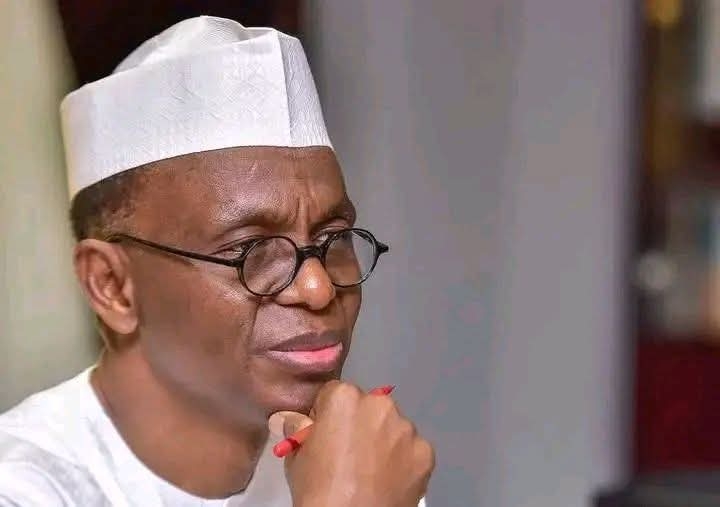
Former PDP chairman questions intensity of scrutiny, calls for transparency and institutional neutrality
By John Ishaku | Abuja, Nigeria
A former National Chairman of the Peoples Democratic Party (PDP), Uche Secondus, has raised concerns over the ongoing legal and security scrutiny of former Kaduna State Governor, Nasir El-Rufai, warning that the situation could erode public confidence in Nigeria’s democratic institutions.
The development has triggered fresh debate over the intersection of law enforcement and political dissent in the country.
In a statement issued on Saturday, Secondus acknowledged the constitutional roles of key security and anti-corruption agencies, including the Department of State Services (DSS), Economic and Financial Crimes Commission (EFCC), and the Independent Corrupt Practices Commission (ICPC).
However, he noted that the scale and intensity of scrutiny surrounding El-Rufai have generated public unease, particularly when weighed against the outcomes so far.
Perception of Political Motive
Secondus pointed to growing perceptions that the actions against El-Rufai may be linked to his outspoken political positions, especially regarding the 2027 presidential landscape and comments attributed to him on the ambitions of President Bola Ahmed Tinubu.
He stressed that whether such perceptions are accurate or not, they carry significant implications for democratic governance.
“Where actions of state institutions are seen as responses to strong political views, it raises concerns that must be addressed with clarity and transparency,” he stated.
Investigations indicate that the case has become a flashpoint in broader political discourse, with observers divided between those who view it as legitimate law enforcement and others who see potential political undertones.
Institutional Credibility Under Scrutiny
Secondus argued that democracy depends not only on the existence of laws but also on public confidence in the neutrality of institutions tasked with enforcing them.
He warned that prolonged or highly visible legal actions against prominent political figures could be interpreted as selective enforcement if not transparently handled.
Analysts note that Nigeria’s history of politically sensitive prosecutions has often fueled scepticism about the independence of state institutions.
Call for Due Process and Transparency
The former PDP chairman called on the Federal Government to ensure due process, including granting bail and safeguarding the rights of the former governor.
He cautioned that continued detention or perceived excessive pressure could reinforce narratives of suppression of dissent.
“Democracy thrives when differing opinions are tolerated within the framework of the law,” he added.
Broader Political Implications
The situation underscores wider concerns about the shrinking space for political opposition and debate ahead of future elections.
Experts say how the case is handled could shape perceptions of institutional independence and influence political alignments in the lead-up to 2027.
As scrutiny of El-Rufai continues, the case is evolving beyond a legal matter into a broader test of Nigeria’s democratic resilience.
Observers say transparency, adherence to due process, and institutional neutrality will be critical in maintaining public trust.




Leave a Reply