

Commission, civil society groups seek stronger safeguards against surveillance, sextortion, cyberbullying, and data breaches in Nigeria’s expanding digital ecosystem
By A1NEWS International / May 20, 20
Abuja, Nigeria —The Executive Secretary of the National Human Rights Commission, Dr. Tony Ojukwu, has warned that Nigeria faces growing threats to human rights in the digital space, including online abuse, surveillance, censorship, sextortion, and data breaches, as the country becomes increasingly dependent on technology-driven communication and commerce.
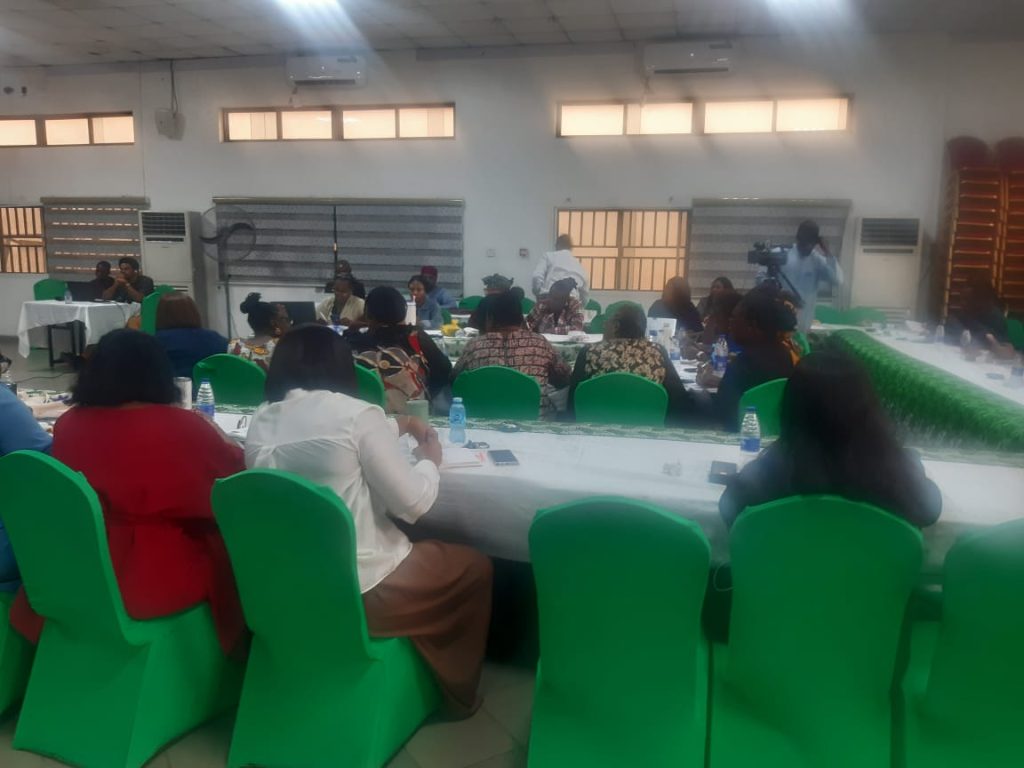
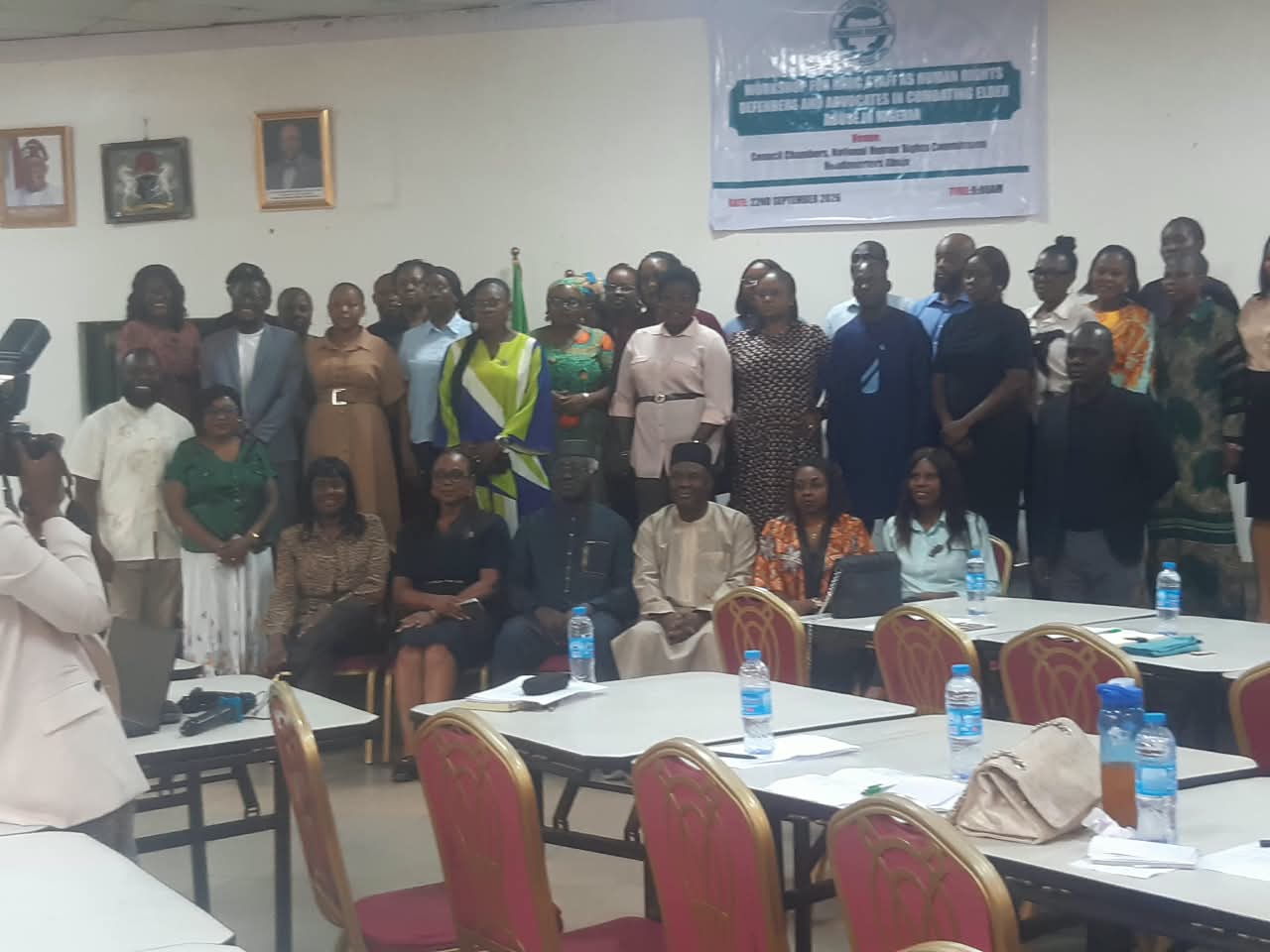
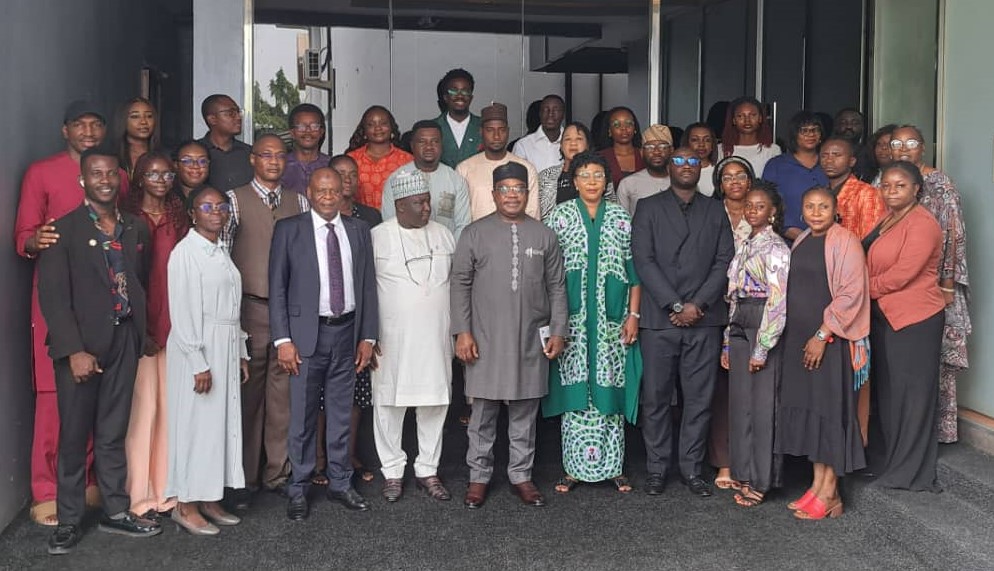
Speaking during a two-day digital rights workshop for Legal and Investigation Officers of the Commission in Abuja, Ojukwu said the protection of human rights must evolve rapidly to address emerging realities in the digital age.
According to him, constitutional rights such as freedom of expression, privacy, and association remain valid online and must be protected with the same urgency as offline rights.
Digital Space Becoming New Battlefield for Human Rights
Ojukwu noted that the internet and digital technologies have transformed modern social, political, and economic interactions, but warned that the same technologies are increasingly being weaponized against citizens.
He said the rise in surveillance practices, online harassment, data theft, censorship, and abuse on digital platforms presents serious challenges for law enforcement agencies, investigators, and legal practitioners.
“The digital ecosystem is no longer separate from society; it has become the fabric of our political, social, and economic existence,” he stated.
The NHRC boss stressed that authorities now face difficult legal and ethical questions surrounding the balance between national security and digital privacy, as well as the challenge of combating online harm without suppressing dissenting voices.
He added that investigations involving cyber activities must comply with both Nigerian laws and international human rights standards.
NHRC Officers Told to Expand Human Rights Expertise
Ojukwu charged Legal and Investigation Officers of the Commission to broaden their professional competencies to include digital rights protection, data privacy enforcement, and technology-related human rights investigations.
He referenced recent judicial decisions in Nigeria that strengthened citizens’ privacy protections and reinforced the implementation of the Nigeria Data Protection Commission framework under the Nigeria Data Protection Act.
According to him, the Commission must ensure that its investigations and legal interventions align with emerging digital rights jurisprudence.
Three Pillars for Protecting Digital Rights
The NHRC Executive Secretary identified three strategic pillars necessary for effective protection of digital rights in Nigeria.
Aligning Innovation With Human Rights
He said technology itself is neutral but can either empower or oppress citizens depending on how governments, institutions, and private actors deploy it.
Ojukwu stressed the need for investigative technologies and state surveillance systems to operate within lawful and rights-respecting boundaries.
Stronger Institutional Collaboration
The NHRC boss emphasized the importance of collaboration between regulatory agencies, civil society groups, and the private sector.
He identified key stakeholders as the Nigerian Communications Commission, Nigeria Data Protection Commission, Paradigm Initiative, Digicivic Initiative, Accountability Lab, and Centre for Information Technology and Development.
Creativity and Resilience in Digital Investigations
He further urged investigators and litigators to adopt innovative approaches in addressing emerging threats associated with Artificial Intelligence, online fraud, and evolving cybercrimes.
Civil Society Group Warns of Escalating Online Harm
Speaking during the workshop, Maxwell Ahunanyah of Digicivic Initiative said online abuse and technology-facilitated violence are becoming more widespread across Nigeria.
Ahunanyah explained that civil society organizations are increasingly supporting victims of digital rights violations through advocacy, capacity building, and pro bono legal services.
He said many Nigerians remain unaware that the same rights guaranteed offline also apply in digital spaces.
“We are seeing technology-facilitated gender-based violence, sextortion, cyberbullying, online humiliation, and exploitation becoming more common,” he said.
Sextortion, Revenge Porn, and Cyberbullying on the Rise
Ahunanyah highlighted disturbing cases where private images and videos shared during relationships are later published online without consent following disputes or breakups.
He described sextortion as a growing criminal trend in which perpetrators manipulate victims into explicit online activities before recording and distributing such materials for humiliation or blackmail.
According to him, cyber abuse has expanded far beyond traditional harassment, with many Nigerians now using social media platforms to target vulnerable persons for ridicule and monetized entertainment.
He cited instances where persons living with disabilities or albinism are secretly filmed and mocked online for social media engagement and financial gain.
“What people post for entertainment can deeply harm others psychologically and socially,” he warned.
“Content With Conscience” Campaign Unveiled
Ahunanyah disclosed plans to launch a public awareness initiative titled “Content With Conscience” aimed at promoting ethical digital behavior and responsible content creation.
The campaign, he said, would encourage Nigerians to consider the emotional and social impact of the materials they share online.
He warned that the growing obsession with likes, monetization, and online popularity has eroded moral boundaries on social media platforms.
Questions Raised Over Enforcement of Existing Laws
Despite the existence of legal and regulatory frameworks, Ahunanyah questioned the effectiveness of enforcement mechanisms designed to hold social media platforms and online offenders accountable.
He revealed that ongoing research is examining the role of Nigerian regulators in tackling harmful online content, data breaches, and platform accountability.
The study, he said, would evaluate whether current laws are effectively implemented and whether social media companies comply with requests to remove harmful or abusive content.
NHRC Calls for Active Engagement
Closing the session, Ojukwu urged participants to engage actively throughout the workshop and apply the knowledge gained toward strengthening Nigeria’s human rights protection framework in the digital age.
He maintained that safeguarding digital rights is essential to preserving democracy, dignity, and fundamental freedoms in the 21st century.
“By protecting digital rights, we are protecting the very essence of democracy and human dignity,” he said.











Leave a Reply