
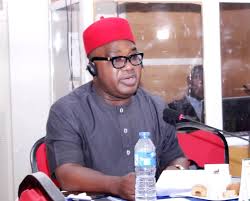
Commission says millions of Nigerian children remain vulnerable despite constitutional guarantees and international protections, calls for urgent investment in education, stronger child protection systems, and accountability for offenders.
By A1NEWS International / June 16, 2026
ABUJA, Nigeria – As Africa commemorates the 2026 International Day of the African Child, the National Human Rights Commission (NHRC) has issued a strong warning against the rising threats of child exploitation, trafficking, violence, child labour, neglect, and other forms of abuse affecting millions of children across Nigeria.
The Commission urged governments, institutions, communities, parents, and development partners to move beyond declarations and commitments by taking concrete actions that guarantee the safety, dignity, and development of every Nigerian child.
The call was made by the Executive Secretary of the NHRC, Chief Tony Ojukwu, OFR, SAN, in a statement released on the eve of the annual continental observance dedicated to promoting children’s rights and welfare.
Growing Concerns Over Child Rights Violations
Ojukwu expressed concern that despite extensive legal protections at both national and international levels, many Nigerian children continue to face serious violations that threaten their future and undermine national development.
According to him, the future of Nigeria is intrinsically linked to the wellbeing of its children, making it imperative for all stakeholders to ensure that every child has access to quality education, adequate protection, healthcare, and opportunities for personal growth.
He stressed that children remain among the most vulnerable members of society and are disproportionately affected by poverty, insecurity, displacement, trafficking networks, forced labour, and harmful traditional practices.
“The future of Nigeria depends on its children,” the NHRC boss stated, emphasizing that every child deserves access to quality education in a safe and supportive environment.
Legal Protections Exist, But Enforcement Gaps Persist
The Commission noted that children’s rights are clearly protected under the Constitution of the Federal Republic of Nigeria, the Child Rights Act, and several other domestic laws enacted to safeguard their welfare and development.
Beyond national legislation, Nigeria is also a signatory to major international and regional conventions aimed at protecting children.
These include the United Nations Convention on the Rights of the Child (UNCRC) and the African Charter on the Rights and Welfare of the Child, both of which impose obligations on governments to ensure children’s survival, development, participation, and protection from abuse.
However, Ojukwu observed that legal frameworks alone have not been sufficient to eliminate violations.
He pointed to persistent implementation challenges, inadequate enforcement mechanisms, and socio-economic pressures that continue to expose children to exploitation and abuse across various parts of the country.
Child Labour, Trafficking and Insecurity Threaten Millions
The NHRC identified several major threats confronting Nigerian children, including child labour, trafficking, sexual exploitation, domestic abuse, neglect, and forced or early marriages.
The Commission further highlighted the impact of insecurity and humanitarian crises, which have displaced thousands of families and left many children vulnerable to recruitment by criminal networks, trafficking syndicates, and other forms of exploitation.
Human rights advocates have repeatedly warned that poverty, weak social protection systems, and inadequate access to education continue to fuel child labour and trafficking in many communities.
The Commission noted that these challenges require coordinated responses involving government agencies, security institutions, civil society organizations, traditional leaders, religious bodies, and international partners.
NHRC Steps Up Child Protection Interventions
Highlighting the Commission’s interventions, Ojukwu disclosed that the NHRC’s Women and Children Department has continued to investigate complaints involving violations of children’s rights while providing support services and referrals for affected victims.
The department has also intensified public awareness campaigns in schools and communities nationwide, educating children, parents, teachers, and community leaders about child rights and responsibilities.
According to the Commission, these sensitization efforts are aimed at promoting stronger awareness, preventing abuse, and encouraging timely reporting of violations.
The NHRC further revealed that it has facilitated the rescue of numerous children from situations involving child labour, neglect, abuse, trafficking, and forced marriages.
Many of the rescued children, it said, have been reunited with their families after appropriate interventions and welfare assessments were conducted to ensure their safety and wellbeing.
Education Remains Key to Breaking the Cycle
The Commission identified education as one of the most effective tools for protecting children and securing their future.
It called for increased investment in safe, inclusive, and quality education, particularly for children living in vulnerable communities, conflict-affected regions, and underserved rural areas.
Experts have consistently linked school attendance to lower rates of child labour, trafficking, early marriage, and other harmful practices, making educational access a critical component of child protection strategies.
The NHRC urged policymakers to prioritize child-centred budgeting, strengthen school safety measures, and expand educational opportunities that enable every child to reach their full potential.
Call for Collective Responsibility
As Nigeria joins other African nations in observing the International Day of the African Child, the Commission stressed that safeguarding children’s rights is a shared responsibility requiring sustained commitment from all sectors of society.
Ojukwu called for stronger child protection systems, greater accountability for perpetrators of abuse, and more robust mechanisms for monitoring and enforcing child rights laws.
He maintained that protecting children is not merely a legal obligation but a moral imperative that will determine the country’s future social and economic progress.
The 2026 International Day of the African Child serves as a reminder that while significant legal and institutional frameworks exist to protect Nigerian children, substantial challenges remain. From trafficking and child labour to insecurity and limited access to education, millions of children continue to face risks that threaten their development and future prospects.
The National Human Rights Commission has reaffirmed its commitment to promoting, protecting, and enforcing the rights of every child in Nigeria, insisting that meaningful action—not just promises—is required to ensure that no child is left behind.





Leave a Reply