
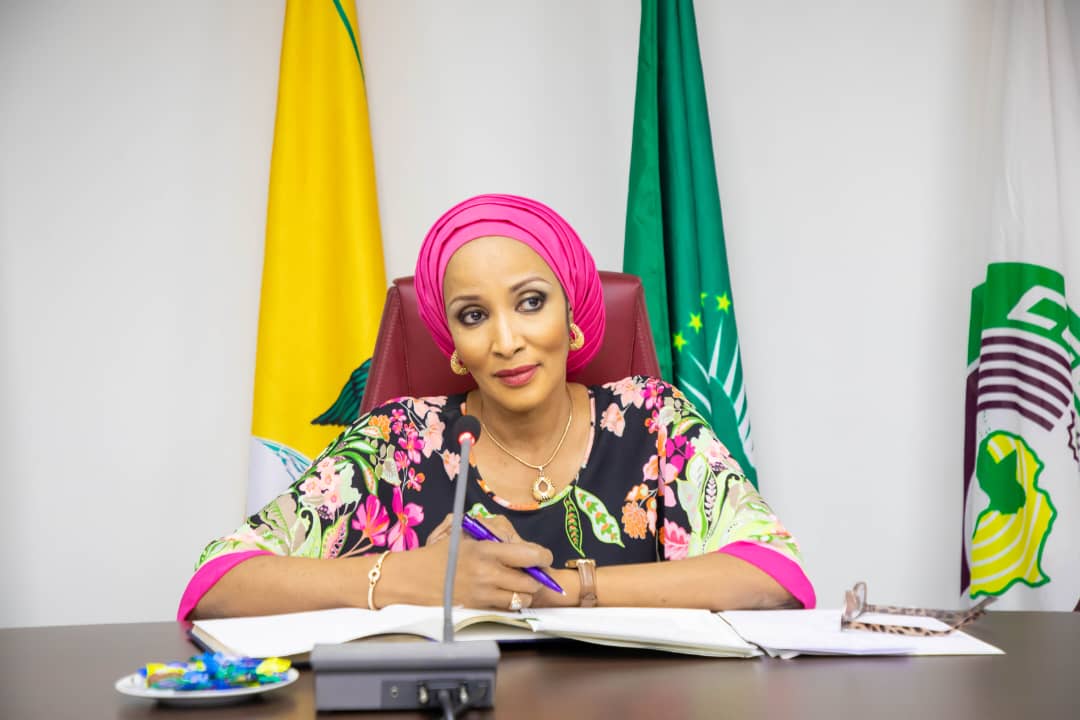
FG Weighs Diplomatic and Legislative Options Over Alleged Harassment of Nigerians in South Africa
By Baron Eloagu – June 19, 2026
ABUJA, Nigeria – The Federal Government has signaled that it may reconsider the operating environment of South African companies in Nigeria if persistent attacks, harassment, and forced displacement of Nigerians living in South Africa continue unabated.
Minister of State for Foreign Affairs, Ambassador Bianca Odumegwu-Ojukwu, issued the warning amid growing outrage over reports of xenophobic attacks targeting Nigerians and other African migrants in South Africa, raising concerns about the future of bilateral relations between Africa’s two largest economies.
The minister’s remarks suggest a possible shift from Nigeria’s long-standing diplomatic approach to a more assertive response should ongoing engagements with South African authorities fail to yield meaningful results.
Diplomatic Patience Nearing Its Limits
Speaking on Thursday while addressing concerns surrounding the safety of Nigerians residing in South Africa, Odumegwu-Ojukwu said Nigeria had consistently exercised restraint despite repeated incidents involving its citizens.
She noted that while diplomatic channels remain open, the government may be compelled to explore alternative measures if the situation deteriorates further.
According to the minister, more than 120 South African-owned companies currently operate in Nigeria across critical sectors of the economy, enjoying a business environment that allows them to function without discrimination or undue restrictions.
She contrasted this with allegations that Nigerians in South Africa are increasingly being subjected to identity checks, intimidation, business disruptions, and pressure to leave the country.
South African Businesses Under Spotlight
Odumegwu-Ojukwu specifically referenced several major South African corporations with significant investments in Nigeria, including telecommunications, financial services, hospitality, and media enterprises.
“We have MTN, MultiChoice, Stanbic, Protea and many other South African brands spanning multiple sectors,” she stated.
The minister questioned what she described as unequal treatment between citizens of both countries, arguing that South African nationals working and conducting business in Nigeria are not subjected to the same scrutiny reportedly being experienced by Nigerians abroad.
According to her, Nigerian authorities do not demand proof of nationality from South African workers, seize businesses, or target investments based on nationality.
The remarks have fueled speculation that Nigeria could consider regulatory, legislative, or economic measures affecting South African investments if diplomatic efforts fail.
Growing Concerns Over Xenophobic Attacks
The latest tensions stem from reports of renewed anti-migrant sentiment in parts of South Africa, where foreign nationals, including Nigerians, have allegedly faced harassment, intimidation, and threats of expulsion.
Human rights advocates have repeatedly warned that periodic outbreaks of xenophobic violence in South Africa continue to endanger African migrants despite commitments by authorities to combat discrimination and protect vulnerable communities.
The Nigerian government has expressed concern not only about attacks on its citizens but also about the broader humanitarian implications of forcing families to leave communities they have lived in for years.
Families Caught in the Crisis
Odumegwu-Ojukwu emphasized that many affected Nigerians have deep roots in South Africa, with some married to South African citizens and raising children who have known no other home.
She described reports that some mixed-nationality families are being pressured to leave South Africa as particularly troubling.
“When your citizens are being harassed, when your citizens are people who have spent years there, and mind you, some of them are married to South Africans and have children who have known no other home but South Africa, then it becomes a serious concern,” she said.
According to the minister, under certain circumstances, both Nigerians and their South African spouses and children are reportedly being affected by the hostility.
Dispute Over Bilateral Protection Agreement
Another significant revelation from the minister concerns a bilateral memorandum of understanding signed between Nigeria and South Africa in October 2025.
The agreement reportedly established an early warning mechanism intended to prevent and manage conflicts affecting citizens of both countries.
Odumegwu-Ojukwu disclosed that South African authorities had allegedly set aside or discontinued implementation of the arrangement.
According to her, the agreement was specifically designed to safeguard lives and property and to provide mechanisms for rapid intervention whenever tensions arose.
Diplomatic observers say the apparent breakdown of the framework could further complicate efforts to manage the current crisis.
National Assembly May Play Key Role
Despite the strong language employed by the minister, she stressed that any retaliatory measures against South African businesses would be subject to Nigeria’s constitutional and legal processes.
She explained that the Federal Government is currently prioritizing diplomatic engagement while monitoring developments closely.
However, should the situation persist, the National Assembly may be required to examine available policy options and determine an appropriate national response.
Analysts note that any legislative action affecting South African investments would have significant implications for trade, telecommunications, banking, hospitality, and media sectors where South African firms maintain substantial operations.
Economic and Diplomatic Stakes
Nigeria and South Africa have long maintained one of Africa’s most important bilateral relationships, with extensive commercial, diplomatic, and cultural ties.
South African companies have invested billions of dollars in Nigeria’s economy over the years, while thousands of Nigerians live, study, and conduct business in South Africa.
However, recurring episodes of xenophobic violence have periodically strained relations between both countries, prompting diplomatic protests, emergency consultations, and calls for stronger protections for foreign nationals.
Observers warn that prolonged tensions could negatively affect investor confidence and regional cooperation if not resolved through dialogue and mutual commitments to citizen protection.
As reports of harassment and anti-migrant sentiment continue to generate concern, Nigeria appears to be reassessing its response strategy. While the Federal Government insists diplomacy remains its preferred option, Ambassador Bianca Odumegwu-Ojukwu’s remarks indicate that patience may be wearing thin. With more than 120 South African companies operating in Nigeria and thousands of Nigerians living in South Africa, the unfolding dispute has the potential to test one of Africa’s most significant bilateral relationships unless urgent steps are taken to address the safety and rights of affected citizens.











Leave a Reply