
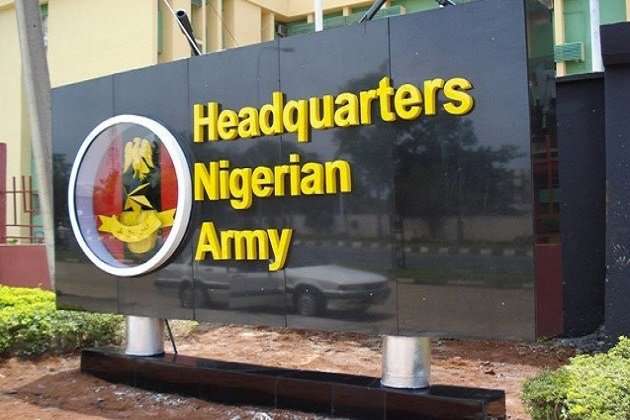
Four new divisional headquarters to be established in Makurdi, Ilorin, Jalingo and Benin City as Federal Government seeks faster military response, stronger border security and enhanced counter-insurgency operations.
By Amarachi Odenigbo
ABUJA, Nigeria — July 24, 2026
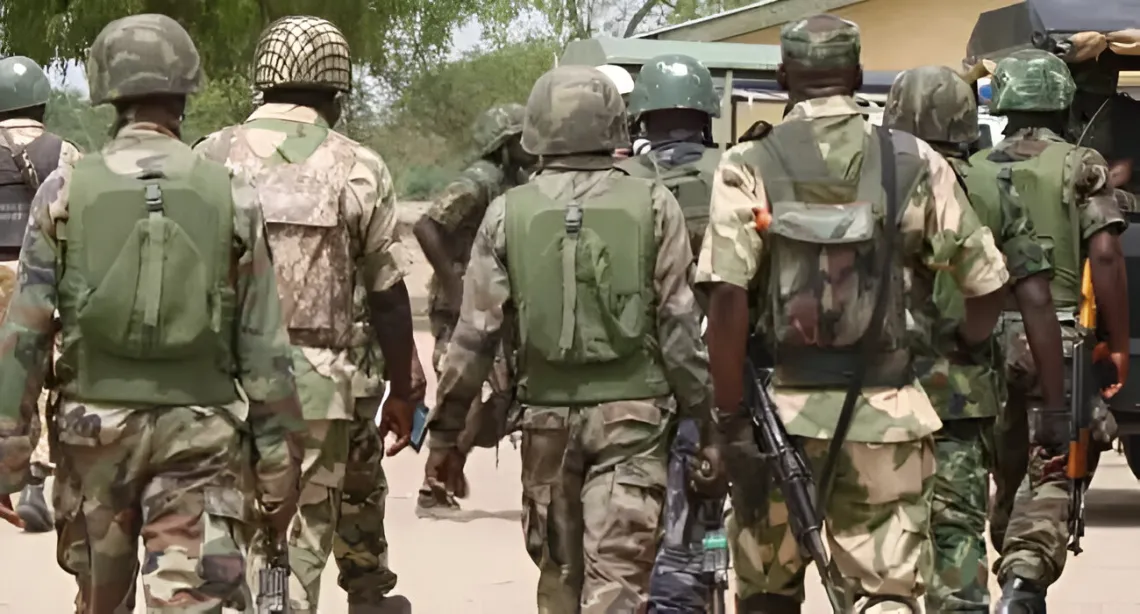
President Bola Ahmed Tinubu has approved one of the most significant reorganisations of the Nigerian Army in recent years, authorising the expansion of the force from eight to 12 divisions and the recruitment of 28,000 additional military personnel as part of a comprehensive strategy to strengthen national security.
The Presidency said the decision is aimed at decentralising military command, improving operational efficiency, strengthening border protection and enabling quicker responses to terrorism, banditry, kidnapping, communal violence and other emerging security threats across the country.
The announcement comes amid renewed efforts by the Federal Government to reform Nigeria’s security architecture as armed conflicts, insurgency and transnational crimes continue to challenge military operations in several regions.
Four New Army Divisions Approved
In a statement issued by the Special Adviser to the President on Information and Strategy, Bayo Onanuga, the Presidency disclosed that four new divisional headquarters would be created in:
- Makurdi (Benue State)
- Ilorin (Kwara State)
- Jalingo (Taraba State)
- Benin City (Edo State)
According to the Presidency, the additional formations are expected to reduce operational pressure on existing divisions while improving command-and-control capabilities across Nigeria’s six geopolitical zones.
Military planners believe the decentralised structure will shorten response times during emergencies and improve coordination among field commanders.
New 12-Division Structure
Under the approved reorganisation, the Nigerian Army will operate through the following divisional commands:
1 Division – Kaduna
Coverage:
- Kaduna
- Kano
- Katsina
- Jigawa
2 Division – Ibadan
Coverage:
- Oyo
- Osun
- Ekiti
- Ondo
3 Division – Jos
Coverage:
- Plateau
- Bauchi
- Gombe
5 Division – Makurdi (New)
Coverage:
- Benue
- Nasarawa
- Kogi
6 Division – Port Harcourt
Coverage:
- Rivers
- Akwa Ibom
- Cross River
7 Division – Maiduguri
Coverage:
- Borno
- Yobe
8 Division – Sokoto
Coverage:
- Sokoto
- Kebbi
- Zamfara
9 Division – Ilorin (New)
Coverage:
- Kwara
- Niger
10 Division – Jalingo (New)
Coverage:
- Taraba
- Adamawa
81 Division – Lagos
Coverage:
- Lagos
- Ogun
82 Division – Enugu
Coverage:
- Enugu
- Anambra
- Abia
- Ebonyi
- Imo
83 Division – Benin City (New)
Coverage:
- Edo
- Delta
- Bayelsa
Why the Expansion Matters
According to the Presidency, the restructuring is intended to address longstanding operational challenges caused by Nigeria’s vast geographical size and multiple security flashpoints.
Officials say the additional divisions will:
- decentralise military command;
- improve operational planning;
- strengthen border surveillance;
- enhance counter-insurgency operations;
- improve intelligence coordination;
- accelerate deployment during emergencies;
- support internal security operations alongside other agencies.
Security analysts have repeatedly argued that the country’s evolving security landscape requires more locally coordinated military commands capable of making faster tactical decisions.
28,000 New Soldiers to Boost Military Strength
The expansion will be supported by the recruitment of 28,000 additional personnel, representing one of the largest military recruitment exercises in recent years.
The recruitment is expected to:
- increase troop strength;
- reinforce existing formations;
- provide manpower for the four newly established divisions;
- improve force rotation and operational sustainability.
Military experts note that increasing personnel strength could reduce operational fatigue among troops deployed in prolonged counter-terrorism and internal security missions.
Implementation to Be Completed in Two Phases
The Federal Government has adopted a phased implementation strategy.
Phase One (By September 2026)
The first stage will include:
- establishment of the 5 Division (Makurdi);
- establishment of the 9 Division (Ilorin);
- establishment of the 10 Division (Jalingo);
- restructuring of existing operational formations.
Phase Two (By December 2026)
The second phase will involve:
- establishment of the 83 Division (Benin City);
- completion of nationwide force reorganisation.
The phased approach is expected to allow gradual deployment of personnel, infrastructure development and logistical support.
Part of Broader Military Modernisation
The Presidency said the latest restructuring forms part of a broader military modernisation programme already underway.
According to the statement, the Federal Government has continued investing in:
- acquisition of military hardware;
- combat equipment;
- operational platforms;
- troop welfare;
- logistics;
- force readiness;
- technological capabilities.
The administration maintains that sustained investment is necessary to confront increasingly sophisticated criminal networks operating across different parts of Nigeria.
Tinubu Commends Army Leadership
President Tinubu praised the Chief of Army Staff, Lieutenant General Waidi Ibrahim Shuaibu, alongside officers and soldiers for their commitment to national service.
The President reaffirmed his administration’s commitment to ensuring that the Armed Forces remain:
- adequately equipped;
- professionally trained;
- properly motivated;
- operationally prepared.
According to the Presidency, strengthening the military remains central to the government’s national security strategy.
Security Experts See Strategic Benefits
Defence analysts say the creation of additional divisions could significantly improve operational effectiveness by bringing command headquarters closer to conflict-prone areas.
The establishment of a divisional headquarters in Makurdi, for instance, is expected to improve military coordination in Benue and neighbouring states affected by armed violence.
Similarly, the Jalingo command could enhance operations across the North-East, while the Benin City headquarters may strengthen security coverage in the South-South.
However, analysts caution that infrastructure, logistics, intelligence sharing and sustained funding will determine whether the restructuring delivers its intended outcomes.
The Federal Government’s approval of four additional Army divisions and the recruitment of 28,000 personnel marks one of the most ambitious military expansion programmes in Nigeria’s recent history.
While the restructuring reflects growing concern over the country’s complex security challenges, its long-term success will depend on effective implementation, adequate funding, modern equipment, professional training and improved civil-military cooperation.
As the new divisional commands become operational in the coming months, attention will focus on whether the expanded force can deliver faster responses, stronger territorial control and improved security outcomes across the federation.







Leave a Reply