
National Human Rights Commission’s latest dashboard reveals a steady rise in reported violations between January and June 2026, with officials warning that worsening insecurity, attacks on women and children, and alleged abuses by state actors demand urgent national action.
By A1NEWS International
ABUJA, Nigeria — July 31, 2026
Nigeria’s human rights landscape has come under renewed scrutiny following the disclosure by the National Human Rights Commission (NHRC) that it received more than 1.52 million complaints of alleged human rights violations across the country within the first six months of 2026.
The figures, drawn from the Commission’s Human Rights Dashboard and Observatory covering the 36 states and the Federal Capital Territory (FCT), paint a troubling picture of a nation grappling with persistent insecurity, gender-based violence, abuse of authority, communal conflicts, economic hardship and growing concerns over the protection of vulnerable citizens.
Beyond the staggering numbers, the Commission says the monthly reports reveal disturbing patterns that require urgent policy responses from governments, security agencies, the judiciary and civil society organisations.
Over 1.5 Million Complaints Recorded in Six Months
According to data released by the NHRC, the Commission documented a cumulative 1,521,304 complaints between January and June 2026.
The monthly breakdown shows a consistent upward trend:
- January: 180,341 complaints
- February: 223,144 complaints
- March: 256,132 complaints
- April: 266,787 complaints
- May: 268,787 complaints
- June: 326,113 complaints
The June figures represent the highest monthly total recorded during the six-month period, indicating an increase in reported human rights concerns rather than a decline.
Human rights observers say while rising complaint figures may partly reflect increased public awareness and confidence in the Commission’s reporting mechanisms, they also point to the persistence of systemic governance and security challenges affecting millions of Nigerians.
Dashboard Designed as an Early Warning System
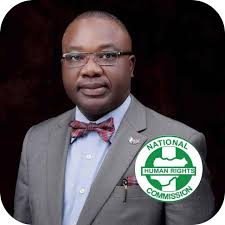
The Executive Secretary of the NHRC, Dr. Tony Ojukwu, SAN, described the Human Rights Dashboard as more than a statistical reporting platform.
According to him, the dashboard serves as a critical accountability and early warning mechanism capable of identifying emerging trends, recurring violations and areas requiring immediate government intervention.
“The Dashboard remains a vital accountability tool for identifying trends, emerging risks and areas requiring urgent intervention,” Ojukwu has consistently maintained during the Commission’s bi-monthly presentations.
The Observatory, launched alongside the Dashboard in 2024, has since become one of Nigeria’s principal institutional mechanisms for monitoring human rights trends nationwide.
Children Face Increasing Sexual Violence
Among the most disturbing findings contained in the June report is the continued rise in cases involving sexual violence against minors.
Expressing deep concern during the presentation of the June Dashboard, Ojukwu warned that the repeated incidents involving children demonstrate that existing protection mechanisms remain inadequate.
According to him, the Observatory documented several cases of sexual violence against minors during the reporting period.
“This pattern of sustained, unresolved violence demands urgent, coordinated intervention,” he said.
Human rights advocates argue that the trend reflects broader weaknesses in child protection systems, slow prosecution of offenders and insufficient victim support services across many parts of the country.
State Actors Continue to Feature Prominently
The Commission also raised alarm over the continued involvement of state actors in alleged human rights violations.
Presenting the May Dashboard, Ojukwu described the month as particularly significant for Nigeria’s human rights record.
“May 2026 has been a debatable month for human rights in Nigeria. Within the span of 31 days, we witnessed incidents that deeply challenged our collective commitment to human dignity and fundamental freedoms,” he stated.
Although the report acknowledges violations committed by both state and non-state actors, alleged abuses involving public officials remain among the Commission’s most significant concerns.
Economic Hardship, Insecurity Drive Complaints
The April Dashboard identified several interconnected factors contributing to the country’s deteriorating human rights environment.
According to the Commission, many complaints reflected the harsh realities confronting ordinary Nigerians, including:
- Worsening insecurity.
- Kidnappings.
- Communal clashes.
- Internal displacement.
- Gender-based violence.
- Mob justice.
- Abuse of authority.
- Economic hardship.
- Discrimination.
- Limited access to justice.
- Restrictions affecting civic freedoms.
Ojukwu observed that these violations continue to shape the everyday experiences of millions of Nigerians.
He noted that violent attacks, communal conflicts and law enforcement-related abuses remained dominant features of the country’s human rights landscape during the review period.
Alarm Over Extrajudicial Killings
Another recurring concern highlighted by the Commission is the reported increase in allegations of extrajudicial killings involving law enforcement and security agencies.
Ojukwu stressed that security operations must remain consistent with constitutional guarantees and international human rights standards.
He warned that the sanctity of human life cannot be compromised by unlawful use of force.
“Human life is sacred and cannot be taken away by trigger-happy officers of our law enforcement and security agencies,” he said.
Human rights organisations have repeatedly called for greater accountability, independent investigations and stronger oversight mechanisms to address allegations of excessive use of force by security personnel.
Women and Children Remain Most Vulnerable
Earlier in the year, the Commission’s Senior Human Rights Adviser and Dashboard Coordinator, Dr. Harry Ogbonna, expressed concern over the high volume of complaints involving women and children.
According to him, the treatment of women remains one of the clearest indicators of a nation’s level of civilisation and development.
“A nation’s development is measured by its respect for the rights of its women and children,” Ogbonna stated.
He argued that societies which protect women’s rights, promote gender equality and empower women generally experience higher levels of economic growth, social stability and human development.
Conversely, persistent discrimination and violence against women undermine national development and democratic progress.
International Recognition for Nigeria’s Human Rights Dashboard
The NHRC inaugurated the Human Rights Dashboard and Observatory in 2024 as part of efforts to institutionalise data-driven monitoring of rights violations across Nigeria.
The initiative has attracted positive attention from international human rights institutions and development partners, who regard it as an innovative tool for evidence-based policymaking and accountability.
By compiling data from all states and the FCT, the platform enables government institutions, civil society organisations and international partners to monitor trends, evaluate interventions and identify areas requiring urgent response.
Experts Call for Action Beyond Statistics
While analysts acknowledge that comprehensive reporting represents significant progress, many argue that documentation alone cannot improve Nigeria’s human rights record.
Legal experts say the growing volume of complaints should prompt authorities to strengthen law enforcement accountability, improve access to justice, expand victim support services and address the underlying drivers of violence, poverty and insecurity.
They warn that unless institutions move beyond documentation to effective enforcement, rising complaint figures may continue to reflect deteriorating conditions rather than improved accountability.
The NHRC’s latest Human Rights Dashboard presents a sobering assessment of Nigeria’s human rights situation.
With more than 1.52 million reported complaints in just six months, the data highlights the enormous scale of challenges confronting citizens—from insecurity and sexual violence to alleged abuses by state actors and economic hardship.
While the Commission’s Dashboard has become an important accountability mechanism admired internationally, its findings underscore a deeper national imperative: translating evidence into decisive action.
Whether governments at all levels, security agencies and policymakers respond effectively to these warning signs may ultimately determine whether Nigeria reverses its troubling human rights trajectory or continues to witness escalating violations.




Leave a Reply