
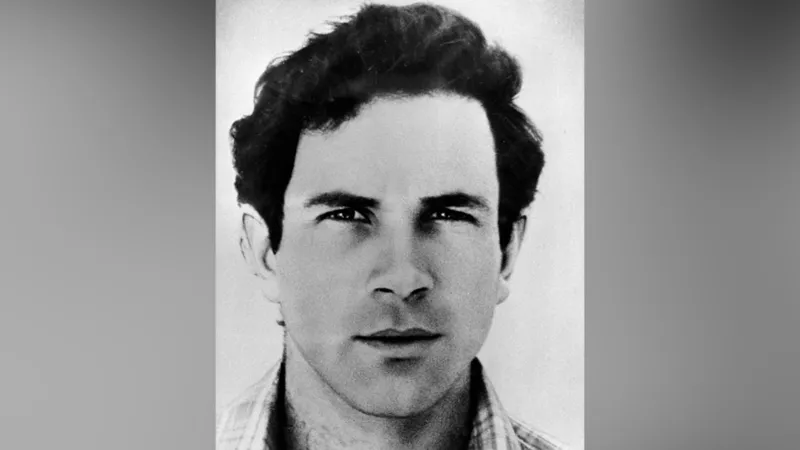
Half a century after the daring Entebbe hostage rescue operation, Uganda commemorates the only Israeli soldier killed in the mission, reflecting on a painful past while highlighting renewed diplomatic and security cooperation with Israel.
By A1NEWS International
ENTEBBE, Uganda — August 3, 2026
Fifty years after one of the most daring hostage rescue missions in modern military history, Uganda has unveiled a monument honouring Yonatan “Yoni” Netanyahu, the Israeli military commander who lost his life during the famous 1976 Entebbe rescue operation.
The unveiling of the statue outside the old Entebbe Airport terminal—where the dramatic rescue unfolded—marks a significant moment in the evolving relationship between Uganda and Israel. Once divided by conflict and the legacy of former Ugandan military ruler Idi Amin, the two nations now describe their partnership as one built on mutual trust, security cooperation and diplomatic engagement.
The ceremony has also revived global attention on the Entebbe operation, a military raid that remains one of the world’s most studied counter-terrorism missions and continues to influence modern hostage rescue strategies.
A Tribute to a Fallen Commander
The bronze statue depicts Yonatan Netanyahu advancing with a rifle in hand, symbolising the courage that made him one of Israel’s most revered military figures.
Netanyahu, commander of Israel’s elite Sayeret Matkal special forces unit, was the only Israeli soldier killed during Operation Entebbe, also known as Operation Thunderbolt, on July 4, 1976.
Speaking during the unveiling ceremony, Uganda’s Chief of Defence Forces, General Muhoozi Kainerugaba, described Netanyahu’s sacrifice as an enduring example of bravery and selfless service.
He characterised the Entebbe rescue as one of the defining military operations of the twentieth century and said the memorial reflected both historical remembrance and the remarkable transformation in relations between Uganda and Israel.
The Hijacking That Shocked the World
The events leading to the Entebbe operation began on 27 June 1976, when an Air France Airbus A300 travelling from Tel Aviv to Paris, with a scheduled stop in Athens, was hijacked shortly after departing Greece.
The hijackers—members of the Popular Front for the Liberation of Palestine (PFLP), assisted by two German militants—forced the aircraft to fly first to Libya before continuing to Uganda.
At the time, Uganda was ruled by military dictator Idi Amin, who welcomed the hijackers and allowed them to use Entebbe Airport as their base of operations.
The militants demanded:
- The release of 53 prisoners held in Israel and several European countries.
- A ransom reportedly valued at five million dollars.
While many non-Israeli passengers were eventually released, Israeli citizens and Jewish passengers remained captive inside the airport terminal.
The hostage crisis rapidly became one of the most closely watched international security emergencies of the decade.
Operation Entebbe: A Defining Counter-Terrorism Mission
Faced with mounting international pressure and concerns over the safety of the remaining hostages, Israel launched an extraordinary long-range rescue mission.
Flying more than 4,000 kilometres, Israeli commandos secretly travelled via Kenya before landing at Entebbe Airport during the night of 3 July 1976.
The operation lasted less than 90 minutes.
Israeli forces successfully rescued more than 100 hostages after eliminating the hijackers and several armed accomplices.
The mission, however, came at a heavy cost.
Yonatan Netanyahu was fatally wounded while leading the assault.
Three hostages—Jean-Jacques Mimouni, Pasco Cohen and Ida Borochovitch—also lost their lives during the rescue.
Another hostage, Dora Bloch, who had earlier been admitted to a hospital in Kampala, was later murdered on the orders of officials linked to the Amin regime.
The operation became an enduring symbol of military precision and decisive leadership, earning international recognition while dealing a humiliating blow to Idi Amin’s government.
Remembering Every Life Lost
During the commemoration ceremony, General Kainerugaba paid tribute not only to Netanyahu and the rescued hostages but also acknowledged the Ugandan soldiers killed during the battle.
At least 45 Ugandan soldiers died in the exchange of gunfire with Israeli commandos.
The Ugandan army chief noted that those soldiers fought believing they were defending their country’s interests, while acknowledging that they served under what he described as the brutal dictatorship of Idi Amin—a regime that, he said, did not represent the Ugandan people.
He also honoured the civilian victims of the hostage crisis, expressing hope that their memories would continue to inspire future generations in the pursuit of peace, justice and human dignity.
From Historic Conflict to Strategic Partnership
The Entebbe operation once represented one of the lowest points in Uganda-Israel relations.
Today, however, diplomatic ties between the two countries have undergone a remarkable transformation.
Security cooperation, agricultural partnerships, technological collaboration and defence exchanges have strengthened bilateral relations over recent decades.
General Kainerugaba described the relationship as a partnership founded on trust, respect and shared interests.
The unveiling of Netanyahu’s statue symbolises Uganda’s willingness to confront difficult chapters of its past while embracing reconciliation and stronger international partnerships.
The Netanyahu Legacy
Yonatan Netanyahu remains a national hero in Israel.
His death during the Entebbe operation profoundly shaped his younger brother, Benjamin Netanyahu, who would later become Israel’s longest-serving prime minister.
During a visit to Entebbe several years ago, Benjamin Netanyahu reflected on the values his brother embodied.
He said Yonatan taught him that defeating terrorism requires both moral clarity and unwavering courage.
Those principles have continued to influence Israel’s national security doctrine and counter-terrorism policies.
The Entebbe rescue remains compulsory study in many military academies around the world because of its operational planning, intelligence gathering and execution under extraordinary circumstances.
Historical Memory and Modern Diplomacy
Historians argue that public memorials such as the newly unveiled statue serve purposes beyond honouring individuals.
They become symbols of historical reflection, diplomatic reconciliation and national identity.
For Uganda, the monument acknowledges both the country’s troubled history under Idi Amin and its commitment to a different future built on democratic governance and international cooperation.
For Israel, it preserves the memory of one of its most celebrated military heroes while reinforcing the enduring legacy of the Entebbe rescue.
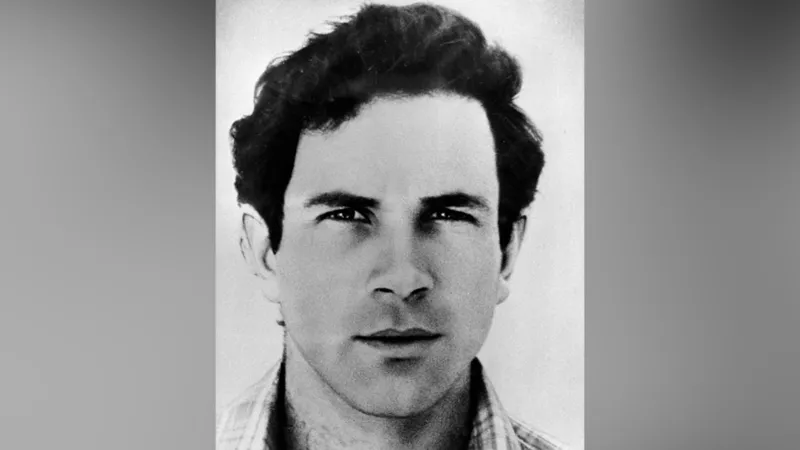
The unveiling of Yonatan Netanyahu’s statue at Entebbe Airport represents more than the commemoration of a fallen soldier.
It reflects the remarkable evolution of Uganda-Israel relations over five decades—from confrontation and political tension to strategic partnership and mutual respect.
As both nations remember those who lost their lives during the dramatic rescue mission of 1976, the monument also stands as a lasting reminder of the cost of terrorism, the value of international cooperation and the enduring importance of courage in the face of adversity.
Half a century later, the lessons of Entebbe continue to resonate across the worlds of diplomacy, military strategy and global security, reminding nations that even the darkest chapters of history can give way to reconciliation and renewed partnership.









Leave a Reply