
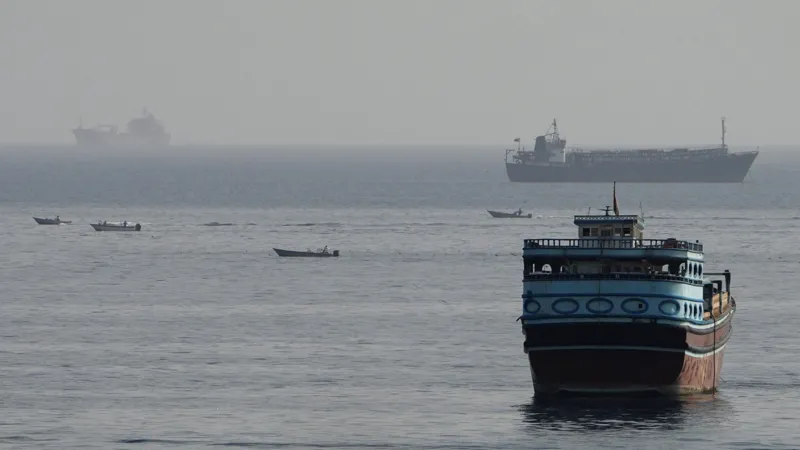
Proposed Navigation Route Offers Hope for Oil Trade, but Tehran Warns US Naval Presence Still Threatens Maritime Security
By A1NEWS International
TEHRAN, Iran | August 6, 2026
Iran has announced that it is in the final stages of reaching an agreement with neighboring Oman on a new shipping route through the strategically vital Strait of Hormuz, raising cautious optimism over the possible resumption of one of the world’s most important maritime trade corridors.
The announcement comes after months of military confrontation between Iran, the United States and Israel that severely disrupted commercial shipping through the narrow waterway, sending shockwaves across global energy markets and raising fears of prolonged instability in the Gulf.
However, despite progress in negotiations with Oman, Tehran insists that safe navigation cannot be guaranteed as long as the United States maintains what it describes as a naval blockade of Iranian ports.
Iran Confirms Progress in Negotiations
Iranian Foreign Ministry spokesman Esmaeil Baqaei disclosed that Tehran and Muscat have reached agreement on the geographical coordinates of a proposed maritime route through the Strait of Hormuz.
Although he declined to provide detailed operational information, Baqaei said negotiations were now in their final stages.
The proposed arrangement is expected to establish a temporary navigation corridor intended to facilitate commercial shipping while broader diplomatic and security negotiations continue.
Iranian Deputy Foreign Minister Kazem Gharibabadi later indicated that the arrangement could remain in effect for between two and four months, suggesting it is designed as an interim confidence-building measure rather than a permanent solution.
Security Concerns Persist
Despite the apparent breakthrough, Iranian officials stressed that the agreement alone would not eliminate the security risks facing vessels operating in the Gulf.
Tehran accused the United States of maintaining military pressure through naval deployments and restrictions on Iranian ports, arguing that these measures continue to undermine maritime security.
According to Iranian officials, the presence of foreign military forces remains one of the principal obstacles to restoring normal commercial shipping through the waterway.
Neither the United States nor Oman had officially commented on Iran’s announcement at the time of reporting.
Why the Strait of Hormuz Matters
The Strait of Hormuz remains one of the world’s most strategically significant maritime chokepoints.
Approximately 20 percent of global crude oil and liquefied natural gas (LNG) exports normally transit through the narrow passage linking the Persian Gulf to international markets.
Since the outbreak of hostilities earlier this year, commercial traffic has declined sharply as Iran imposed restrictions on vessel movements and reportedly required ships to obtain prior clearance before transiting the strait.
Several vessels allegedly ignoring those directives were reportedly attacked during the conflict, heightening concerns among international shipping companies and insurers.
The prolonged disruption has contributed to volatility in global energy prices and increased uncertainty across international commodity markets.
Dispute Over Transit Fees Remains Unresolved
One of the major sticking points in negotiations has been Iran’s proposal to impose transit fees on commercial vessels using the Strait of Hormuz.
According to reports, Tehran has proposed charges ranging between 5 and 7 percent of cargo value, arguing that the fees would compensate for providing security and maritime services.
Oman has reportedly suggested a lower fee structure of approximately 3 percent, while Washington continues to oppose the introduction of any transit charges.
The proposed agreement is also reported to grant Iranian authorities greater oversight of vessels entering the Persian Gulf, an issue likely to remain contentious during ongoing diplomatic discussions.
Trump Issues Fresh Warning
The latest diplomatic developments come amid renewed pressure from Washington.
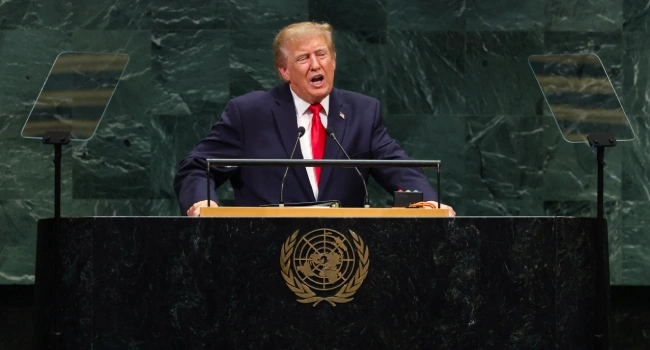
US President Donald Trump warned this week that Iran would face severe consequences if the Strait of Hormuz was not reopened quickly.
His comments followed reports from senior US officials indicating that discussions had advanced sufficiently for commercial shipments to potentially resume within days.
Iran, however, maintains that it is not engaged in direct negotiations with the United States, insisting that discussions have focused primarily on arrangements with Oman.
Fragile Diplomatic Efforts
The current negotiations follow the collapse of an earlier diplomatic initiative.
In June, Iran and the United States signed a Memorandum of Understanding (MoU) intended to halt hostilities, reopen the Strait of Hormuz and negotiate a comprehensive settlement within sixty days.
The agreement quickly unraveled as both sides resumed military operations, ending hopes of an immediate ceasefire.
The renewed talks with Oman therefore represent one of the few remaining diplomatic channels capable of easing tensions and restoring international shipping.
Leadership Questions Continue Inside Iran
Political uncertainty within Iran has also attracted international attention.
The conflict earlier this year resulted in the death of Iran’s former Supreme Leader, Ayatollah Ali Khamenei, who was succeeded by his son, Ayatollah Mojtaba Khamenei.
The younger Khamenei has made few public appearances since reportedly sustaining injuries during the conflict, fueling speculation about his health and political influence.
President Masoud Pezeshkian acknowledged that communication with the Supreme Leader has become difficult but dismissed speculation regarding divisions within Iran’s leadership.
According to the President, discussions with Khamenei have remained constructive despite the challenging security environment.
Economic Stakes Remain High
Financial markets reacted cautiously to reports of progress.
Brent crude oil prices edged lower during Asian trading, reflecting cautious optimism that renewed shipping access could ease supply concerns.
Energy analysts note, however, that any sustained decline in oil prices will depend on the successful implementation of the proposed shipping arrangement and broader regional de-escalation.
The Strait of Hormuz remains indispensable to global energy security, and any disruption continues to have immediate consequences for oil-importing nations, inflation and international trade.
Iran’s announcement that it has reached the final stages of a shipping agreement with Oman represents a potentially important diplomatic breakthrough after months of conflict that disrupted one of the world’s busiest energy corridors.
Nevertheless, unresolved disputes over maritime security, transit fees, military deployments and broader geopolitical tensions continue to cast uncertainty over the future of commercial navigation through the Strait of Hormuz.
For global energy markets and the international shipping industry, the success or failure of the proposed agreement could significantly influence oil prices, regional stability and the pace of diplomatic engagement in the Gulf.













Leave a Reply