
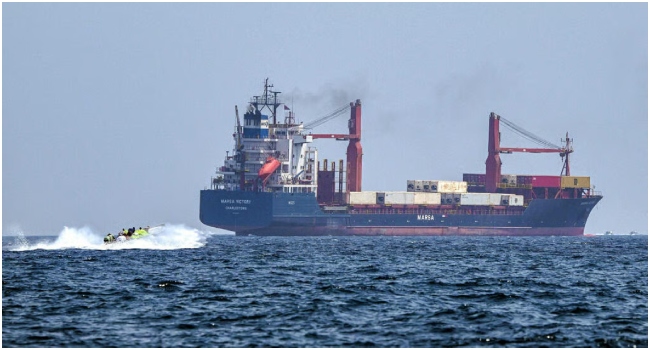
Brent and U.S. crude prices slide sharply after Washington signals a diplomatic shift with Tehran, easing fears over disruptions to one of the world’s most strategic energy corridors.
By A1NEWS International
LONDON / WASHINGTON / TEHRAN — August 3, 2026
Global oil markets recorded their sharpest single-session decline in weeks after United States President Donald Trump announced a fresh round of negotiations with Iran, raising hopes that a diplomatic breakthrough could bring an end to months of military confrontation and restore shipping through the strategic Strait of Hormuz.
Brent crude and West Texas Intermediate (WTI) both fell by nearly five percent during early Asian trading on Monday, reflecting renewed investor optimism that escalating tensions in the Middle East may soon give way to negotiations capable of stabilising global energy supplies.
The market reaction underscores the enormous influence geopolitical developments in the Gulf region continue to exert on international oil prices, inflation, shipping costs and the broader global economy.
Markets Respond Swiftly to Diplomatic Breakthrough
At the opening of Asian trading, international benchmark Brent crude dropped approximately 4.7 percent, trading around $83.81 per barrel for September delivery.
Meanwhile, West Texas Intermediate (WTI), the benchmark for U.S. crude, declined by roughly 4.7 percent to $80.72 per barrel.
Energy traders interpreted Trump’s announcement as a signal that immediate fears of further military escalation had diminished.
Financial analysts said investors quickly reduced the geopolitical “risk premium” that had pushed oil prices higher during weeks of uncertainty.
The decline reflects growing market expectations that negotiations could eventually restore stability to global energy markets.
Trump Chooses Diplomacy Over Military Escalation
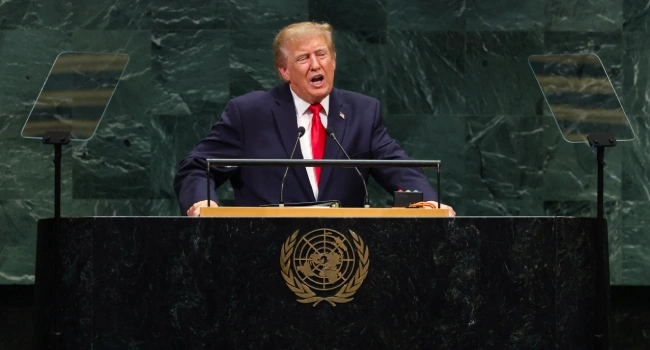
President Donald Trump announced that the United States would begin fresh negotiations with Iran after deciding to suspend what he previously described as a major military operation against the Islamic Republic.
Speaking aboard Air Force One, Trump said diplomacy would be given another opportunity before military force was considered.
“Now what we’re doing is we’re talking to them in the form of a negotiation. It begins tomorrow afternoon,” the president said.
Trump did not disclose where the talks would take place or identify the officials expected to participate.
His decision marked another dramatic shift in Washington’s approach after weeks of military threats, retaliatory exchanges and rising regional tensions.
Conflict Shook Global Energy Markets
The current conflict began in late February following coordinated military operations involving the United States and Israel against Iranian targets.
The confrontation quickly escalated into one of the most serious geopolitical crises affecting global energy markets in recent years.
One of its most significant consequences was the disruption of maritime traffic through the Strait of Hormuz, one of the world’s most strategically important shipping routes.
The uncertainty surrounding access to the waterway caused sharp fluctuations in global oil prices as traders anticipated possible shortages in international supply.
Why the Strait of Hormuz Matters
The Strait of Hormuz serves as the principal maritime gateway connecting the Persian Gulf with global markets.
Approximately 20 percent of the world’s crude oil exports and significant volumes of liquefied natural gas (LNG) pass through the narrow shipping corridor every day.
Major oil-producing nations—including Saudi Arabia, Iraq, Kuwait, Qatar, the United Arab Emirates and Iran—depend heavily on the passage for energy exports.
Any disruption to navigation through the strait immediately reverberates across international commodity markets.
For importing nations, including many African economies such as Nigeria, instability in global oil markets can influence fuel prices, inflation, transportation costs and government revenues.
Iran Signals Progress with Oman
Adding to market optimism, Iranian officials indicated that negotiations with Oman concerning a new maritime arrangement in the Strait of Hormuz were nearing completion.
Oman has long served as a trusted intermediary between Iran and Western governments during periods of heightened regional tension.
Although details of the proposed arrangement remain limited, observers believe a successful agreement could improve shipping safety and reduce the risk of military confrontation in one of the world’s busiest energy corridors.
The parallel diplomatic initiatives suggest that multiple channels of negotiation may now be underway.
Economic Implications Beyond the Oil Market
The movement in oil prices carries implications far beyond energy companies.
Lower crude prices generally translate into:
- Reduced fuel costs.
- Lower transportation expenses.
- Improved airline operating margins.
- Slower inflationary pressures.
- Greater stability in international supply chains.
Conversely, countries heavily dependent on crude oil exports may experience declining revenues if prices continue to weaken.
For Nigeria, Africa’s largest crude producer, sustained lower oil prices could affect government earnings, foreign exchange inflows and budget implementation, even as consumers may benefit from reduced global fuel costs over time.
Diplomacy Still Faces Significant Challenges
Despite the market’s positive reaction, analysts caution that negotiations remain at an early stage.
Neither Washington nor Tehran has released detailed information regarding:
- The venue for the talks.
- The negotiating teams.
- Timelines for an agreement.
- Conditions surrounding the reopening of the Strait of Hormuz.
Previous attempts to secure a diplomatic settlement have collapsed amid mutual distrust and renewed military exchanges.
Energy markets therefore remain highly sensitive to developments from both capitals.
Any breakdown in negotiations could quickly reverse Monday’s gains and trigger another surge in crude prices.
Investors Watching Every Development
Financial institutions, shipping companies and energy producers are expected to monitor the talks closely over the coming days.
Global markets increasingly recognise that geopolitical stability in the Middle East remains essential to maintaining reliable energy supplies and supporting economic recovery worldwide.
Analysts say the coming negotiations could determine whether oil prices continue to ease or return to the volatility that has characterised the conflict since its outbreak.
The nearly five-percent decline in global oil prices following President Donald Trump’s announcement of renewed negotiations with Iran demonstrates how diplomacy can immediately influence international financial markets.
With hopes rising for the reopening of the Strait of Hormuz and a possible reduction in regional hostilities, investors have responded with cautious optimism.
However, the path to lasting peace remains uncertain.
As negotiators prepare to meet, governments, businesses and consumers around the world will be watching closely, recognising that the outcome could shape not only the future of Middle East security but also global energy prices, economic stability and international trade.
For now, markets have welcomed the prospect of dialogue—but whether diplomacy succeeds where confrontation has failed remains one of the defining questions facing the international community.








Leave a Reply