
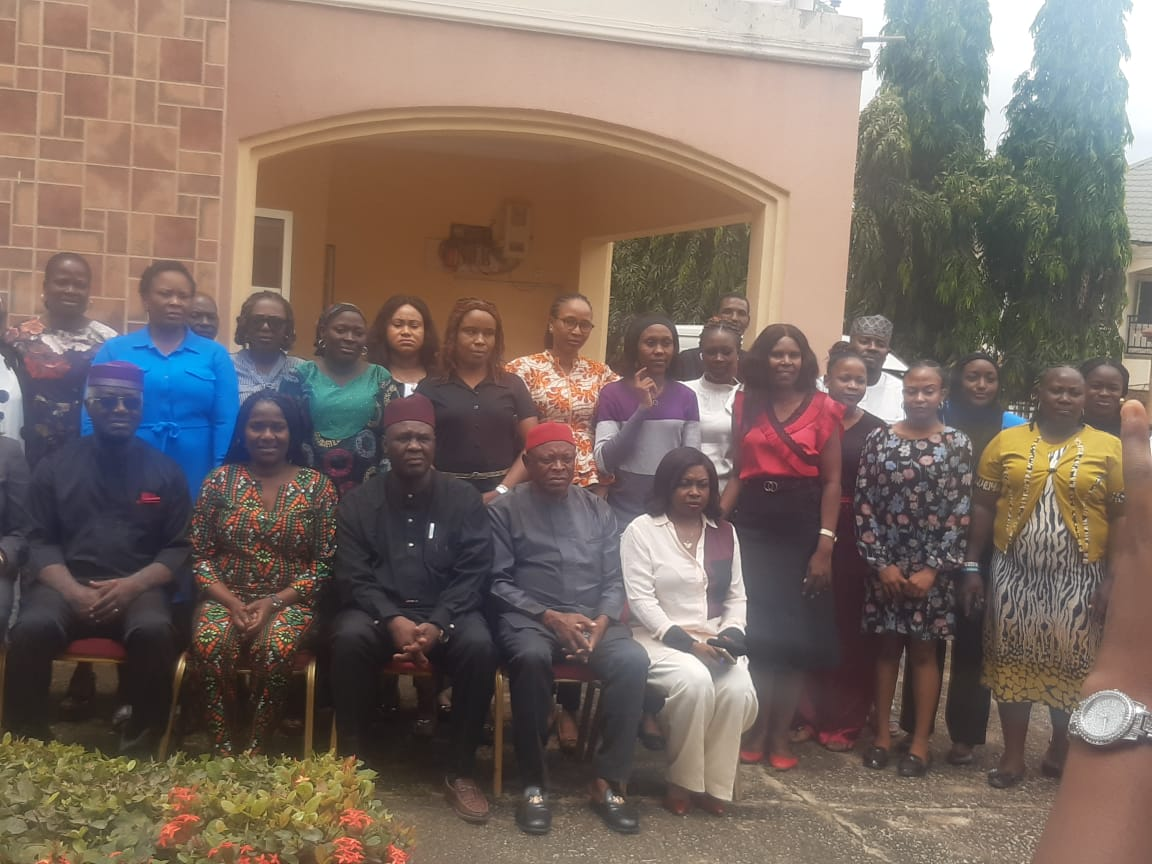
Executive Secretary Dr. Tony Ojukwu says abuse of older persons is widespread but underreported, as the National Human Rights Commission launches nationwide capacity-building initiative to strengthen protection, advocacy and justice for Nigeria’s ageing population.
By A1NEWS International
ABUJA, Nigeria — August 4, 2026
The National Human Rights Commission (NHRC) has expressed deep concern over what it describes as the growing incidence of elder abuse in Nigeria, warning that thousands of older persons continue to suffer physical violence, emotional trauma, financial exploitation, neglect and harmful traditional practices in silence.
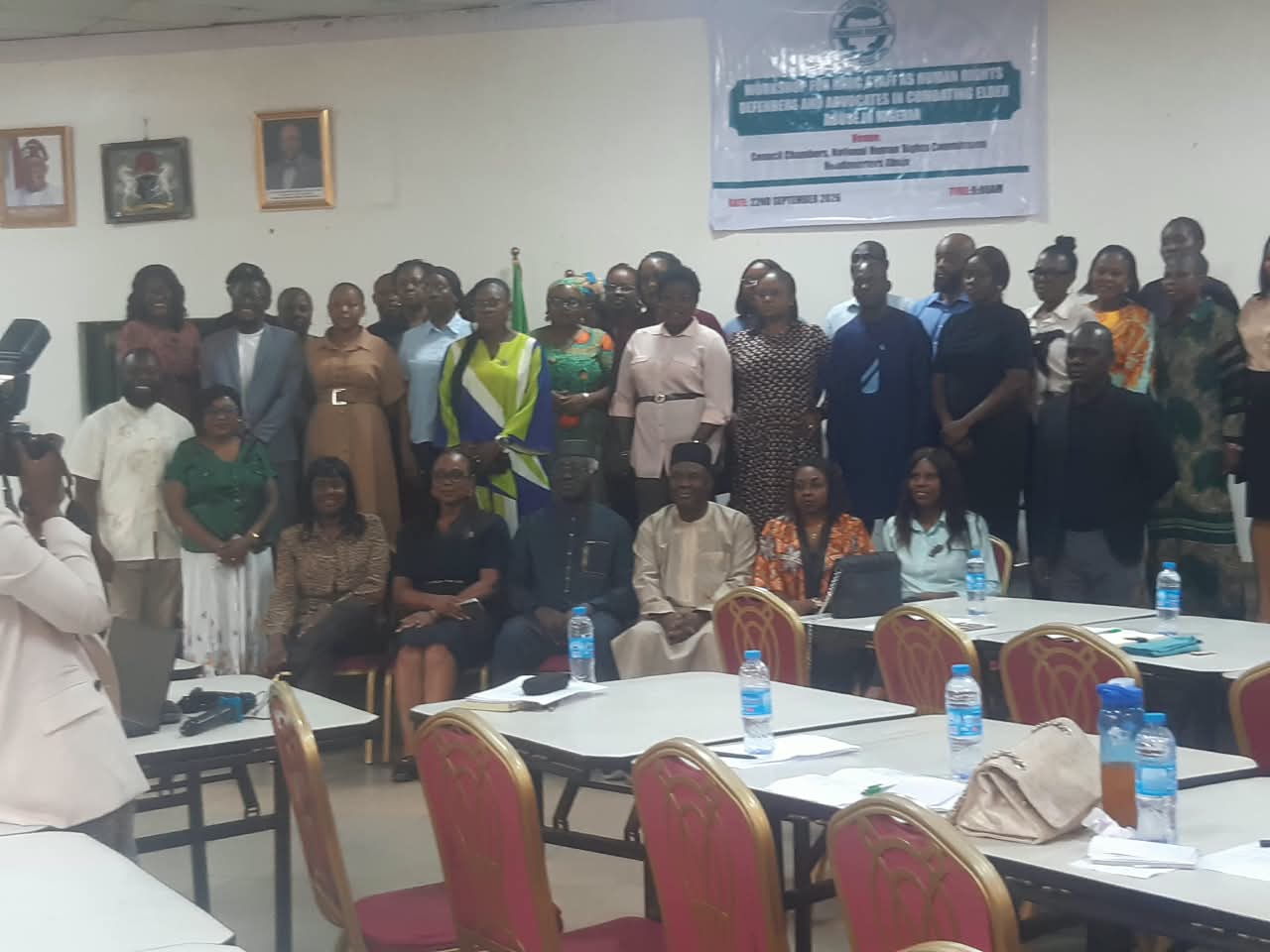
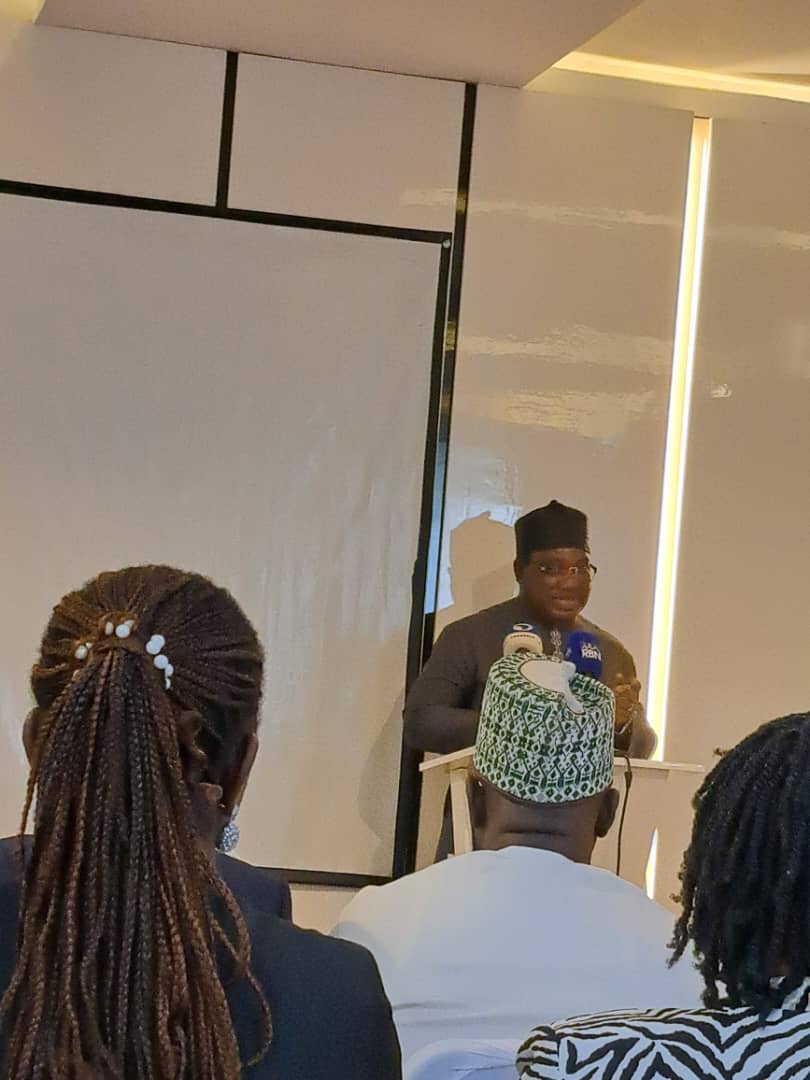
Speaking at the opening of a specialised training programme for NHRC staff on “Human Rights Defenders and Advocates in Combating Elder Abuse in Nigeria,” the Executive Secretary of the Commission, Dr. Tony Ojukwu, OFR, SAN, FICMC, said protecting the rights of older persons is no longer optional but a constitutional, legal and moral obligation.
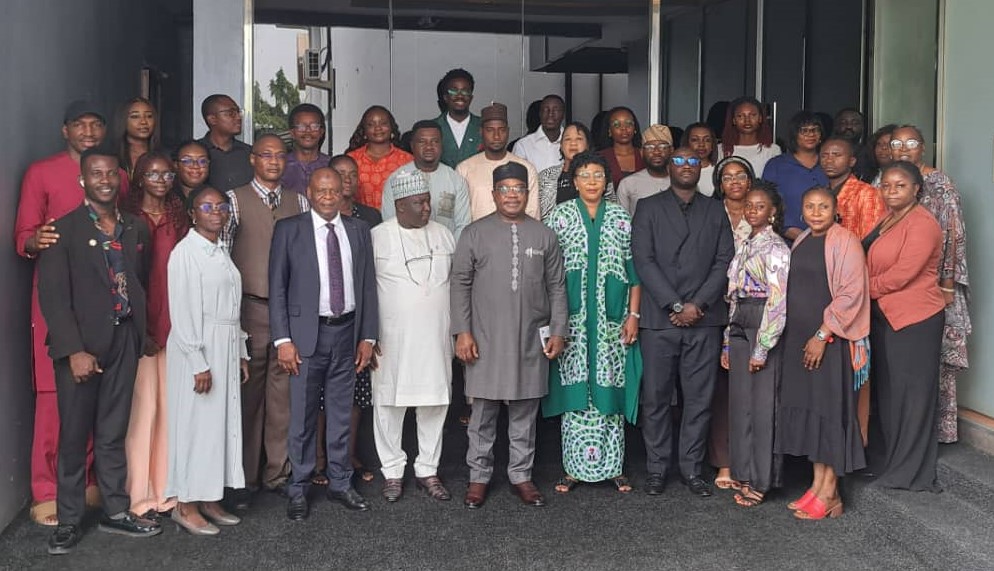
Held at the NHRC Council Chambers in Abuja on Tuesday, the training brought together Commission personnel to strengthen their capacity to identify, document, investigate and respond effectively to cases of elder abuse while promoting the rights and dignity of older persons across Nigeria.
Dr. Ojukwu described the programme as a strategic intervention aimed at equipping frontline human rights officers with the knowledge and practical skills needed to address a growing but often overlooked human rights challenge.
Nigeria’s Ageing Population Requires Greater Protection
Addressing participants, Dr. Ojukwu noted that improvements in healthcare and life expectancy have resulted in a steadily increasing population of older persons, making the need for stronger legal and institutional protection more urgent than ever.
He observed that while longer life expectancy represents social progress, it has also exposed many elderly citizens to new forms of vulnerability.
According to him, elder abuse manifests in several forms, including:
- Physical violence.
- Emotional and psychological abuse.
- Financial exploitation.
- Neglect and abandonment.
- Harmful traditional and cultural practices.
- Social isolation and discrimination.
He stressed that older persons remain full rights-holders under the Nigerian Constitution and international human rights law and deserve equal protection regardless of age.
“Older persons are not exceptions. They are rights-holders entitled to dignity, equality and full protection under the law. Yet many continue to suffer in silence, often invisible within our communities and institutions,” Ojukwu said.
NHRC Strengthens Capacity to Combat Elder Abuse
The Executive Secretary explained that the training forms part of the Commission’s broader effort to strengthen institutional capacity for human rights protection.
He said participants would receive practical guidance on:
- Understanding the rights of older persons under national, regional and international legal frameworks.
- Identifying various forms of elder abuse.
- Documenting and investigating complaints.
- Engaging relevant stakeholders.
- Advocating policy reforms.
- Promoting victim-centred approaches in handling abuse cases.
He reminded participants that defending human rights requires more than professional competence.
According to him, effective human rights defenders must demonstrate empathy, integrity, courage and unwavering commitment to justice.
“As frontline officers of the Commission, you have a responsibility to ensure that the voices of older persons are heard, their complaints investigated and their dignity protected,” he told participants.
‘Growing Old Does Not Mean Losing Your Rights’
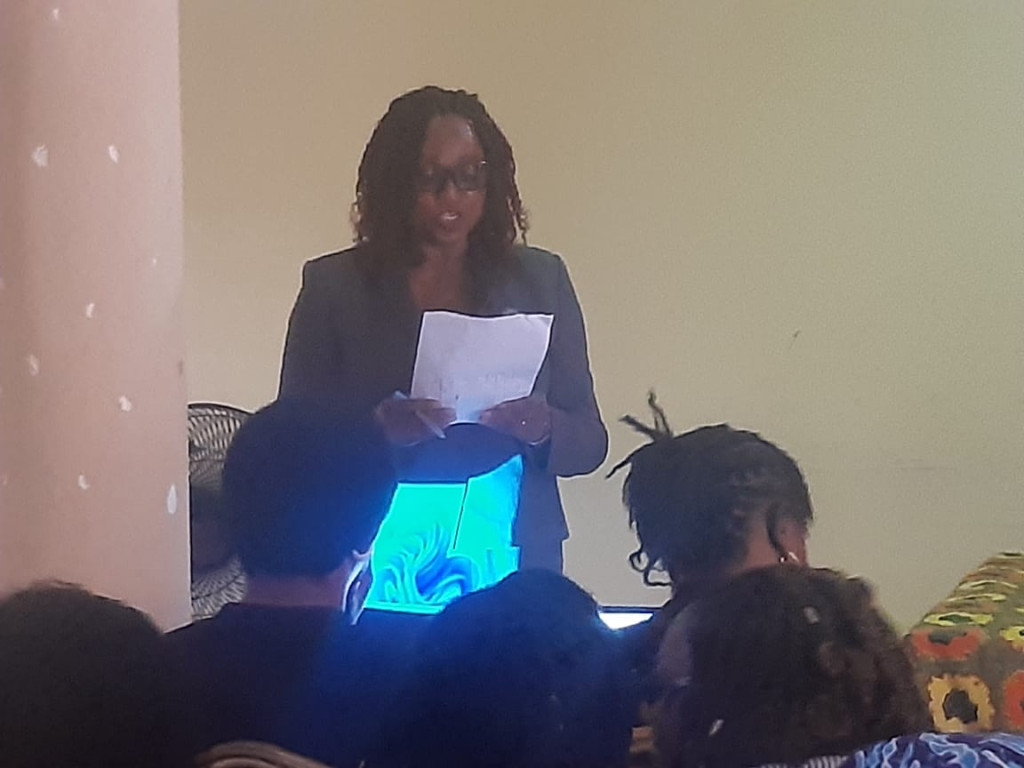
Also speaking during the programme, NHRC Director Jennifer Aga urged Nigerians to fundamentally change the way they perceive and treat older persons.
She said advancing age should never become a basis for discrimination or exclusion.
“The public must first understand that older persons have rights. Growing old does not mean they have stopped living,” she said.
She called on families, communities and government institutions to ensure that elderly citizens enjoy equal access to healthcare, transportation, public facilities and social services.
Jennifer Aga also appealed for greater compassion within families, warning against the tendency to stigmatise older people because of age-related memory loss or declining physical strength.
She condemned situations where elderly persons are falsely accused of witchcraft or blamed for family misfortunes.
“As people grow older, they naturally begin to forget certain things. Instead of mocking or accusing them, we should show them love, patience and understanding,” she said.
According to her, protecting the rights of older persons begins at home.
She encouraged Nigerians to care for ageing parents and grandparents with dignity rather than abandoning them to loneliness and neglect.
Emotional, Financial and Physical Abuse Remain Widespread
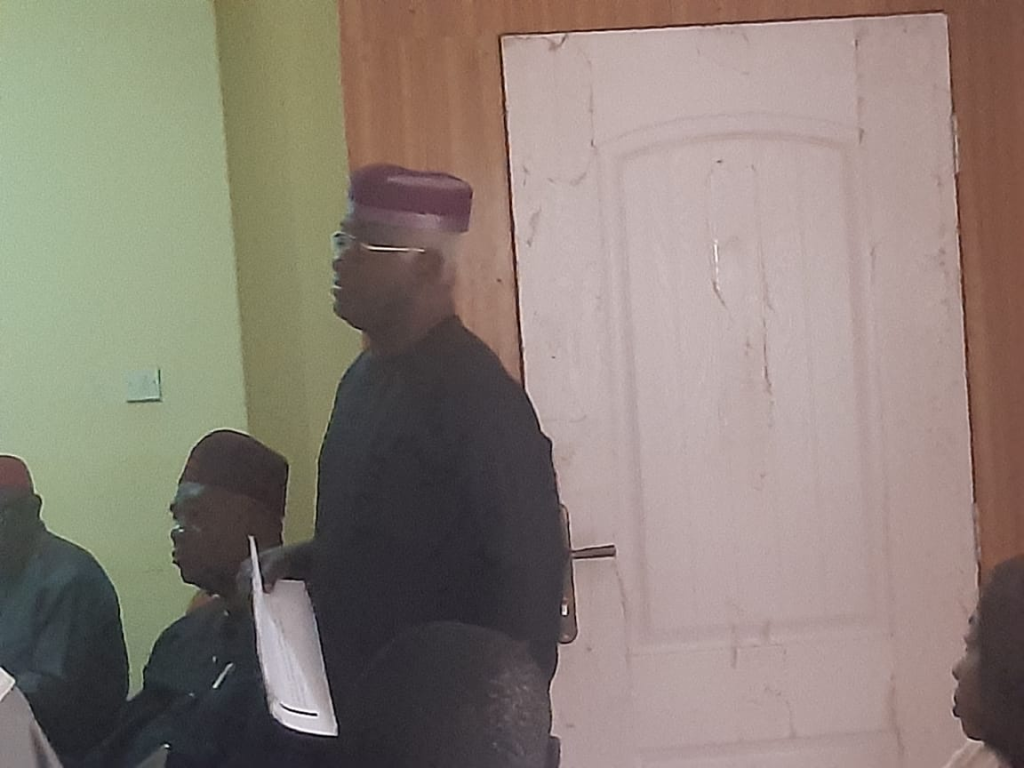
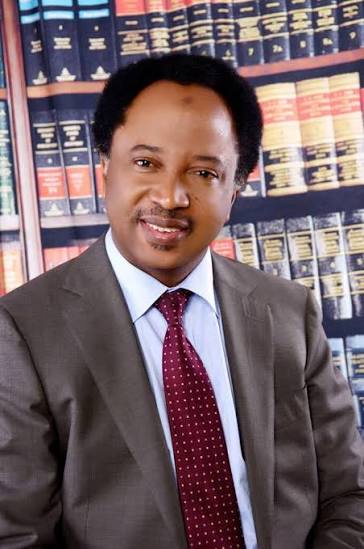
Delivering a presentation during the training, elder rights advocate Sen. Eze Ajoku described elder abuse as one of Nigeria’s least reported but most prevalent human rights violations.
According to him, abuse occurs in multiple forms and often originates within the family.
He identified several common forms of abuse, including:
Emotional Abuse
Ajoku said many elderly parents are subjected to insults, humiliation and disrespect by their own children and relatives.
He noted that repeated verbal attacks often leave older persons feeling rejected and emotionally traumatised.
Financial Exploitation
He also highlighted widespread cases where elderly persons are deprived of their property, pensions, savings or inheritance.
According to him, some adult children illegally seize their parents’ assets, while delayed pension payments also amount to financial abuse.
Physical Violence
Ajoku lamented that some elderly citizens continue to experience physical assault, particularly in rural communities where older women are sometimes branded as witches.
He described reports of elderly women being beaten, tortured or even killed following witchcraft allegations as grave violations of fundamental human rights.
Widowhood Rights Violations
He further condemned harmful widowhood practices that deny widows access to property inherited from deceased spouses.
According to him, many widows lose their homes, livelihoods and dignity after relatives of deceased husbands illegally seize family assets.
Most Cases Go Unreported
One of the greatest challenges, Ajoku said, is that elder abuse remains largely hidden.
He estimated that only a small fraction of abuse cases ever reach authorities.
“Out of every ten cases of elder abuse, perhaps only one is reported,” he observed.
He explained that many elderly victims remain silent because they fear retaliation from family members or caregivers responsible for the abuse.
Others, he added, depend financially on their abusers and therefore feel powerless to seek justice.
Recognising the Warning Signs
Ajoku urged families, neighbours, healthcare workers and community leaders to remain vigilant.
According to him, common indicators of elder abuse include:
- Unexplained bruises or injuries.
- Sudden withdrawal from social interaction.
- Fearfulness around caregivers.
- Poor hygiene.
- Signs of malnutrition.
- Sudden financial difficulties.
- Emotional distress.
- Unusual silence or reluctance to speak.
He noted that early detection significantly improves opportunities for intervention and protection.
Call for Community-Based Protection Systems
To address the problem, Ajoku called for the establishment of structured support systems across Nigeria.
He recommended:
- Community-based elder protection committees.
- Religious-based support networks.
- Stronger collaboration between government agencies and civil society organisations.
- Public awareness campaigns.
- Prompt investigation and prosecution of offenders.
He argued that visible punishment of perpetrators would discourage future abuse and strengthen public confidence in the justice system.
A National Human Rights Priority
The NHRC said the training is being conducted in batches to ensure staff across the country receive specialised knowledge on protecting older persons.
The Commission believes enhanced institutional capacity will improve case handling, advocacy and policy engagement while strengthening protection mechanisms for one of Nigeria’s most vulnerable population groups.
Officials expressed optimism that better-trained personnel would contribute to improved enforcement of human rights standards relating to ageing and elder care.
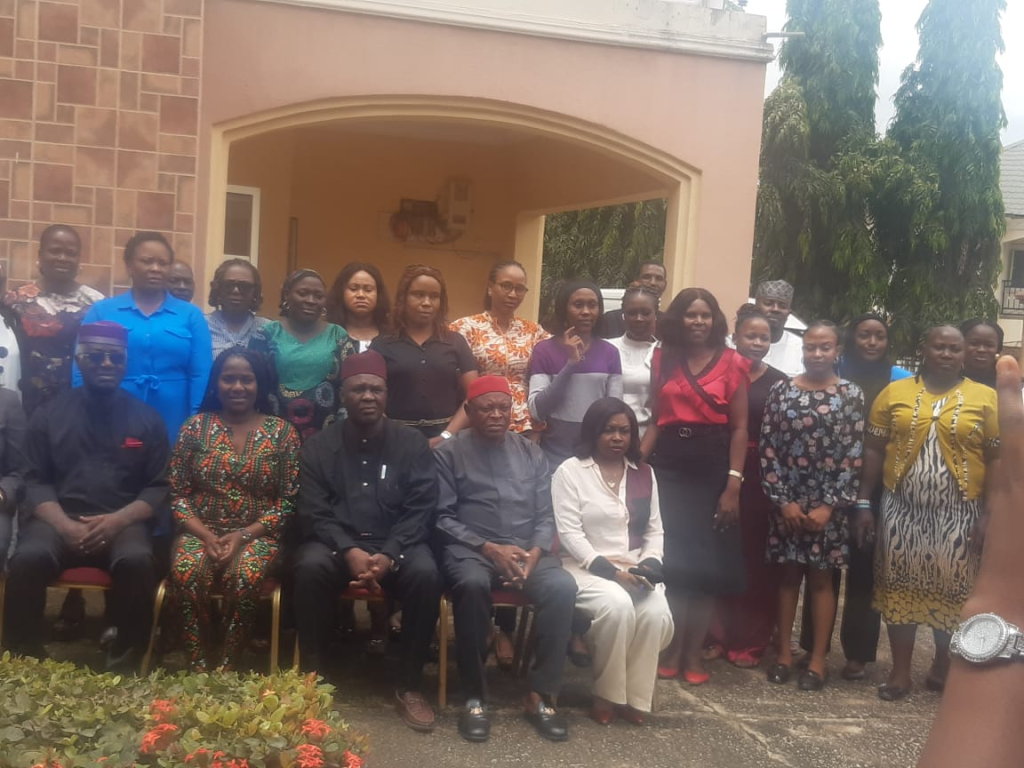
The National Human Rights Commission’s renewed focus on elder abuse highlights a growing national concern that extends beyond families into the broader issues of governance, healthcare, social protection and justice.
As Nigeria’s elderly population continues to expand, stakeholders argue that stronger legal protections, improved public awareness and more responsive institutions will be essential to safeguarding the dignity, safety and wellbeing of older citizens.
For the NHRC, the message is clear: growing old should never mean losing one’s rights, dignity or place in society.
The Commission’s latest initiative represents an important step toward ensuring that every Nigerian—regardless of age—is protected from abuse, discrimination and neglect.







Leave a Reply