
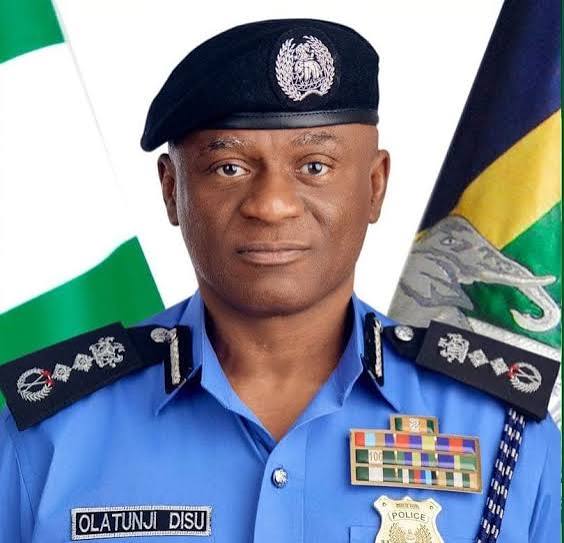
Police commanders allegedly forced personnel deployed to protect TotalEnergies facilities to surrender part of their allowances, while an internal investigation reportedly produced documentary evidence of the alleged collection scheme.
By Dubem Njoku
PORT HARCOURT, Rivers State — August 7, 2026
The Inspector-General of Police, Olatunji Disu, has reportedly removed six commanding officers overseeing Mobile Police Force (MOPOL) and Operations personnel deployed to TotalEnergies EP Nigeria Limited in Port Harcourt, Rivers State, following an internal investigation into allegations of systematic extortion of officers attached to the special duty operation.
The commanders were allegedly accused of collecting ₦70,000 monthly from individual officers deployed to protect the facilities of the multinational energy company.
Sources familiar with the matter said the six commanders were removed last week after an investigative panel constituted by the Inspector-General reviewed allegations that personnel were compelled to surrender part of their special-duty allowances as monthly “returns.”
The reported disciplinary action followed earlier allegations by affected police personnel, who claimed that increased allowances approved for the special deployment had allegedly become the basis for a new collection system.
The allegations, if established, would raise serious questions about police accountability, management of special-duty deployments, welfare of personnel and the administration of security contracts involving critical national infrastructure.
Internal Investigation Followed Extortion Allegations
According to sources familiar with the investigation, the Force Headquarters initially encountered difficulties obtaining direct testimony from affected officers.
Some personnel were reportedly reluctant to speak openly because they feared disciplinary consequences or removal from the lucrative special-duty deployment.
One source said the Inspector-General subsequently constituted an investigative panel from Abuja to examine the allegations.
The source claimed that some officers initially denied that extortion had occurred when investigators visited the deployment location.
However, according to the source, investigators later received documentary evidence from some personnel after returning to Abuja.
The source said the evidence prompted the police hierarchy to remove the six commanders and appoint replacements.
Officers Allegedly Ordered to Surrender ₦70,000 From Allowances
The allegations centre on claims that personnel deployed to TotalEnergies were compelled to surrender a portion of their monthly special-duty allowances.
According to the affected officers cited in the underlying reports, TotalEnergies had approved an increase in the allowance paid to police personnel attached to its security operations.
One officer reportedly said the personnel received approximately ₦220,000 following the increase but were subsequently instructed to return ₦70,000 each month.
The officer alleged that refusal to comply could result in removal from the deployment.
The claim suggests that personnel were placed in a difficult position: either surrender part of their officially approved allowance or risk losing their deployment and the associated financial benefits.
Such an arrangement, if independently established, could amount to a serious abuse of authority and raise questions about the handling of funds attached to special security assignments.
Fear Allegedly Prevented Officers From Speaking Out
One of the most significant aspects of the reported investigation is the alleged reluctance of personnel to provide evidence against their commanders.
Sources said officers were initially unwilling to speak openly because of concerns about possible retaliation.
This alleged atmosphere of fear could explain why the investigation reportedly produced limited cooperation during its initial field engagement before officers subsequently supplied documentary material.
For an institution responsible for enforcing the law, the allegation raises a broader accountability question: who protects police officers when they themselves become victims of alleged abuse within the command structure?
Six Commanders Removed and Replaced
Sources said all six commanding officers were subsequently removed from their positions and replaced with new commanders.
Personnel allegedly involved in collecting the disputed funds were reportedly recommended for disciplinary proceedings.
However, sources also alleged that the removed commanders were lobbying against the prosecution of subordinate officers allegedly used to collect the money.
There is no independent confirmation in the material available to A1NEWS International that any of the affected officers has been formally charged or prosecuted.
The reported recommendation for disciplinary action therefore remains subject to the police hierarchy’s final decision and any applicable disciplinary or judicial process.
Allegations Extend Beyond Monthly Collections
The complaints reportedly go beyond the alleged ₦70,000 monthly deductions.
Affected personnel also accused some commanders of allegedly placing their names on TotalEnergies’ payroll for field allowances despite not performing frontline operational duties.
The officers claimed that commanders occupying administrative positions allegedly received allowances intended for personnel directly engaged in field operations.
If substantiated, such allegations could raise questions about payroll verification, personnel deployment records and the mechanisms used by private-sector companies and security agencies to reconcile payments for contracted or special-duty security services.
However, these claims remain allegations and require documentary verification and responses from the relevant parties.
Police Personnel Allegedly Faced Poor Welfare Conditions
The officers also reportedly complained about inadequate welfare arrangements while protecting strategic energy infrastructure.
Among the complaints were alleged lack of:
- adequate medical coverage;
- overtime allowances;
- satisfactory feeding arrangements; and
- other welfare provisions associated with special-duty deployments.
One officer reportedly alleged that personnel were required to finance their own medical treatment.
The welfare complaints add another dimension to the controversy because personnel deployed to protect critical oil and gas infrastructure operate in environments where adequate logistics, medical support and working conditions are essential.
Questions Over Security Arrangements With Private Companies
The controversy also raises broader questions about how police deployments to multinational companies and other private-sector operators are administered.
Personnel reportedly claimed that similar problems existed in some police deployments involving Chinese companies operating in Nigeria.
They alleged that some companies paid significantly higher amounts for deployed officers than the personnel ultimately received.
These claims are particularly serious but remain unverified allegations in the material available for this report. They would require examination of contractual agreements, payment schedules, police deployment records, payroll documents and financial transactions before any conclusion could responsibly be reached.
TotalEnergies’ Role Requires Clarification
A critical unanswered question is whether **TotalEnergies was aware of the alleged deductions or any discrepancies between payments made for deployed officers and amounts ultimately received by personnel.
The allegations reportedly centre on deductions allegedly imposed within the police command structure rather than an accusation that TotalEnergies ordered the collection.
That distinction is important.
Any investigation into the matter should therefore establish:
- How much TotalEnergies paid for each deployed officer;
- Which police authority received the payments;
- How the funds were distributed;
- What each officer was officially entitled to receive;
- Whether any deductions were authorised;
- Who approved the alleged ₦70,000 collection; and
- Whether financial records support the allegations.
These questions could provide the documentary trail necessary to determine whether the reported scheme occurred and who, if anyone, benefited from it.
What the Allegations Mean for Police Accountability
The reported removal of the commanders, if confirmed through official police records, could represent an important test of the Force’s commitment to internal accountability.
The Nigeria Police Force has repeatedly faced concerns over allegations of extortion, abuse of authority and poor welfare among rank-and-file personnel.
When officers assigned to protect critical national assets allegedly become victims of financial exploitation within their own chain of command, the issue extends beyond individual misconduct.
It becomes an institutional question involving command responsibility, financial transparency and the protection of whistleblowers.
The Whistleblower Question
The reported reluctance of officers to testify also highlights the importance of credible internal reporting mechanisms.
For an investigation to succeed, personnel must be able to provide information without fearing arbitrary redeployment, victimisation or career consequences.
A transparent disciplinary process would therefore need to establish not only whether the alleged collections occurred but also whether any officers were punished or threatened for resisting or reporting them.
Police Response Remains Critical
Efforts to obtain an official response from the Nigeria Police Force were reportedly unsuccessful at the time of the earlier publication from which these allegations originated.
For a matter involving six senior commanders and an alleged internal investigation, an official statement from the Force would be important in establishing:
- whether the commanders were actually removed;
- the reason for their removal;
- whether an investigative panel was constituted;
- whether documentary evidence was recovered;
- whether disciplinary proceedings have commenced;
- whether any officers have been suspended or charged; and
- whether the allegations have been communicated to TotalEnergies.
A1NEWS International also considers responses from the affected commanders and TotalEnergies important to ensuring a balanced account.
Investigation Raises Wider Questions About Special-Duty Policing
The controversy goes beyond the fate of six commanders.
It raises fundamental questions about how Nigeria manages police personnel assigned to private companies and strategic economic installations.
If companies pay substantial sums for security services, there must be transparent mechanisms for tracking the money from the contracting entity through the responsible police authority to the individual personnel entitled to receive allowances.
Without such controls, special-duty deployments can create opportunities for financial abuse while leaving rank-and-file officers vulnerable to exploitation.
The reported removal of six MOPOL commanders attached to TotalEnergies has brought renewed attention to the management of special police deployments and the welfare of officers assigned to protect Nigeria’s critical oil and gas infrastructure.
The central allegation—that officers were compelled to surrender ₦70,000 monthly from their allowances—is serious and requires transparent verification through financial records, deployment documents, payment schedules and testimony from affected personnel.
The reported internal investigation and removal of the commanders could represent an important step if the allegations are properly investigated and disciplinary action is based on credible evidence.
But accountability should not end with transfers or removals.
If wrongdoing is established, those responsible should face appropriate disciplinary or criminal proceedings, while officers who provided evidence should be protected from retaliation.
Most importantly, the police, private-sector operators and relevant government authorities must ensure that special-duty arrangements are transparent enough to prevent public security personnel from becoming victims of the very systems they are deployed to protect.











Leave a Reply