
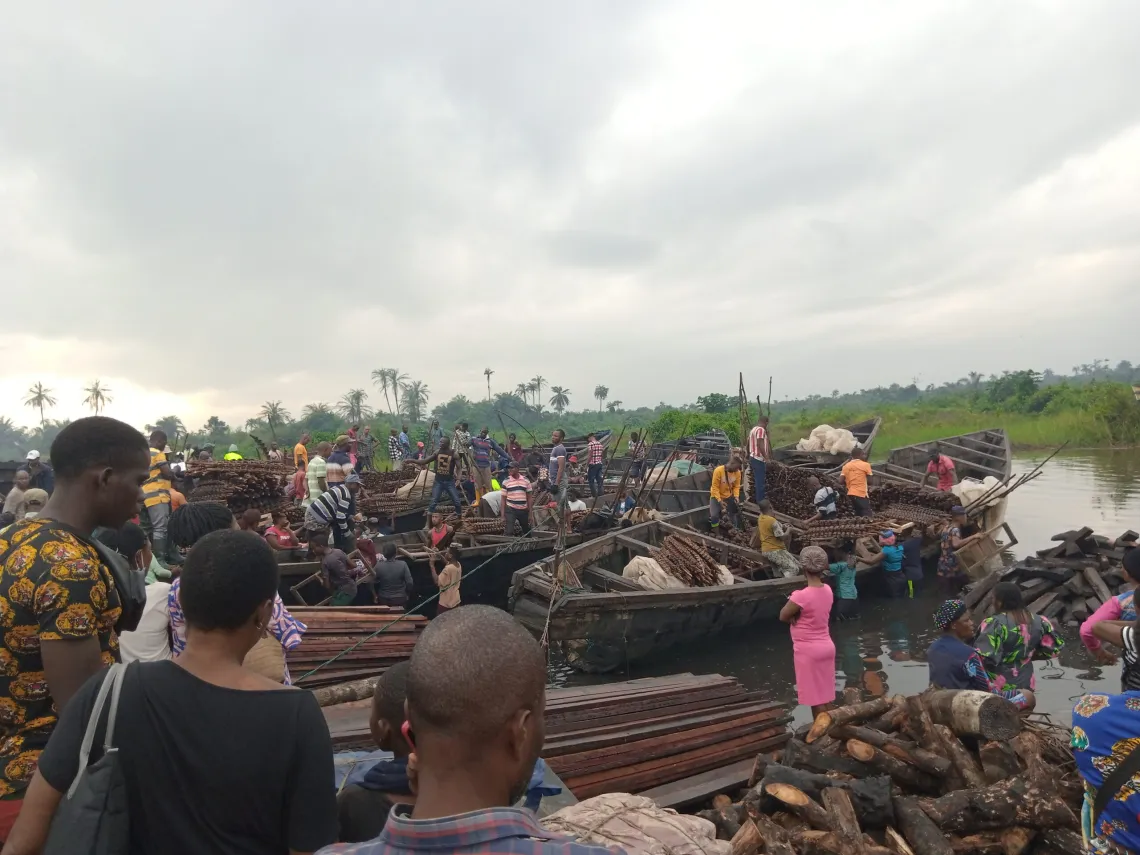
Investigative report exposes security gaps, weak regulation, and neglect of Nigeria’s largest informal maritime workforce.
By A1 News International | November,13, 2025
Nigeria’s small-scale fishing sector is under mounting pressure from violent sea attacks and declining fish stocks, with little evidence of coordinated government intervention. An investigation reveals a widening gap between official claims of maritime safety and the daily realities faced by coastal communities.
For millions dependent on artisanal fishing, the absence of effective policy, protection, and support systems is deepening economic and human insecurity.
Across Nigeria’s coastal belt, fishers and traders describe a deteriorating operating environment marked by frequent attacks, equipment losses, and shrinking catches. Once-thriving fishing hubs such as Ibaka in Akwa Ibom State and Andoni in Rivers State now report persistent insecurity at sea.
Incidents involving kidnappings, engine theft, and occasional killings have continued despite official assurances that piracy has declined. Available data indicates that since 2021, at least 106 individuals have been abducted in over a dozen reported cases, although stakeholders insist the true scale is significantly higher due to underreporting.
Victims recount repeated assaults by armed groups targeting small boats, often stripping them of outboard engines — critical tools for livelihood. The economic toll has been severe, pushing many into debt, trauma, and, in some cases, death.
Beyond insecurity, environmental and regulatory failures are accelerating the crisis. Illegal, unreported, and unregulated fishing — particularly by industrial trawlers — has contributed to the depletion of fish stocks. The widespread sale of juvenile fish as bycatch further undermines marine sustainability and future yields.

Nigeria’s artisanal fishing sector employs over six million people and supplies a significant share of domestic fish consumption. Yet, it operates largely outside structured government support systems, with no comprehensive national registry, insurance framework, or accessible credit scheme.
A draft National Fisheries and Aquaculture Policy (2025–2029), initiated in 2022, remains unapproved. The policy proposes interventions including improved infrastructure, financing, and climate-resilient practices, but has yet to translate into actionable outcomes.
Budgetary allocations also reflect limited prioritisation. Of over ₦12 billion earmarked for the Ministry of Marine and Blue Economy in 2025, only a fraction directly targets artisanal fishers. There is no verifiable evidence of disbursement or implementation of these funds.
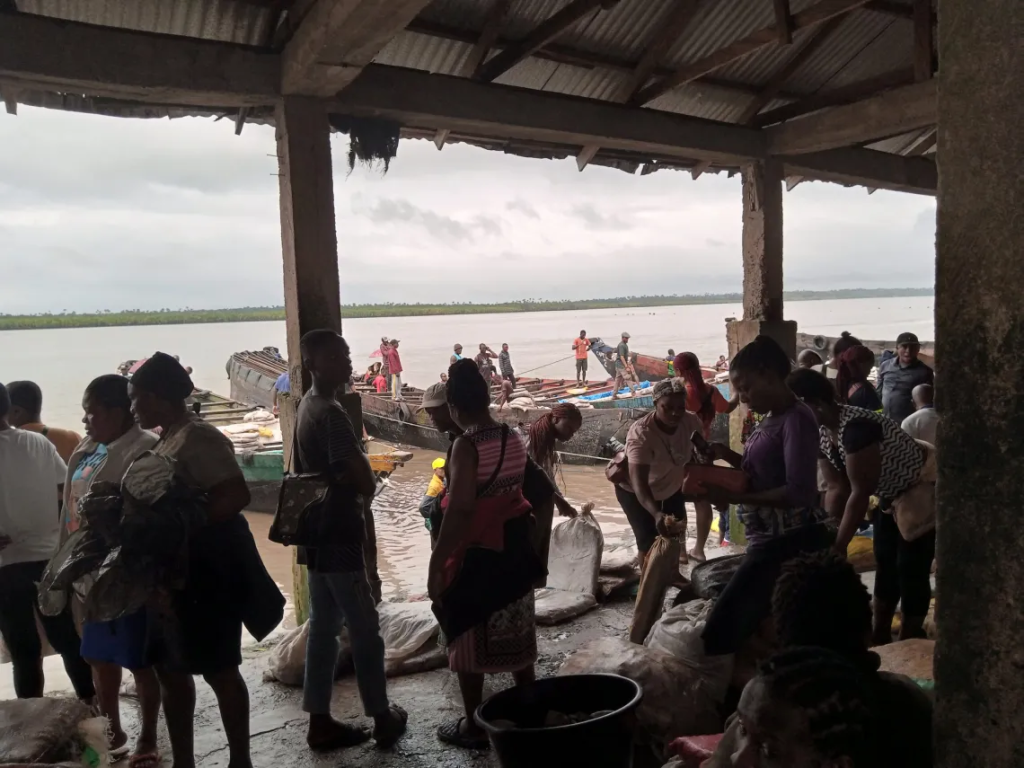
Security enforcement remains uneven. While agencies such as the Nigerian Navy, marine police, and NIMASA maintain responsibility for maritime safety, fishers report infrequent patrols and delayed responses. Analysts attribute the reduction in attacks on large commercial vessels to international collaborations, which do not extend to protecting small-scale operators.
As a result, communities have resorted to self-help measures, including funding local vigilante groups and, in some cases, paying protection fees to criminal elements.
Policy Vacuum Leaves Sector Exposed
Experts say Nigeria’s failure to implement a functional fisheries policy has created regulatory gaps that allow overfishing, illegal trawling, and weak enforcement to persist. The absence of structured oversight continues to expose local fishers to both economic exploitation and environmental decline.
Security Claims Clash With Reality
Despite official claims of improved maritime security, coastal communities report near-weekly attacks. Analysts argue that current security architecture prioritises high-value maritime assets such as oil infrastructure, leaving artisanal fishers largely unprotected.
The crisis in Nigeria’s artisanal fishing sector has broader economic and food security implications. As fish stocks decline and insecurity rises, the country risks increased dependence on imports, loss of rural livelihoods, and heightened poverty in coastal regions. Without urgent policy implementation and targeted security reforms, the sector’s sustainability remains in jeopardy.
This story was supported by the Pulitzer Center.













Leave a Reply