
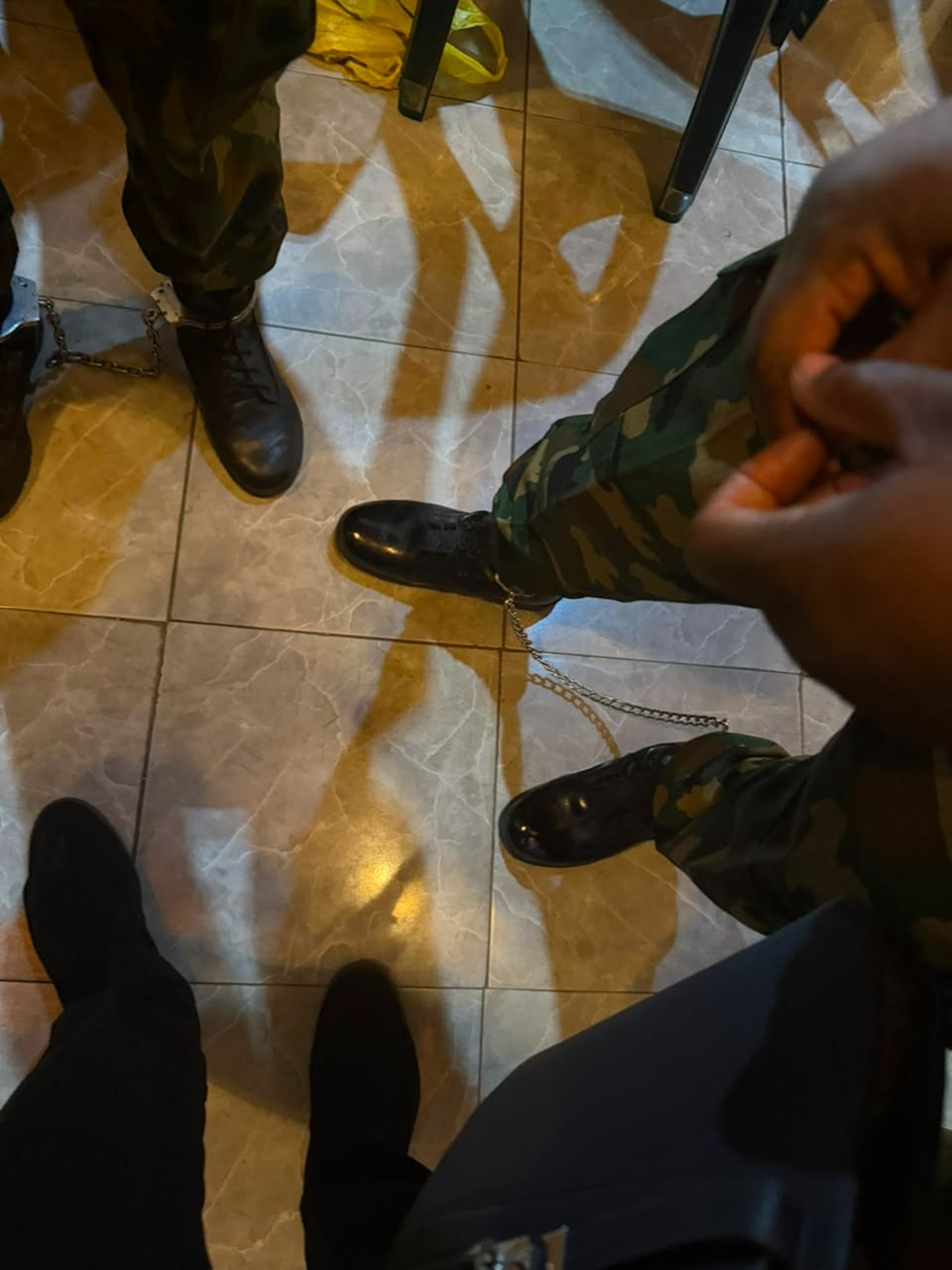
Fresh allegations of torture, restricted legal access and prolonged detention raise due process concerns as court-martial proceedings involving dozens of military personnel continue behind heightened security.
By A1NEWS International
Abuja, Nigeria — July 10, 2026
Fresh controversy has emerged over the ongoing court-martial of military officers accused of plotting to overthrow the administration of President Bola Ahmed Tinubu, following allegations that lawyers and family members have been denied access to the detainees after claims of torture surfaced during court proceedings.
Multiple sources familiar with the case alleged that the Defence Intelligence Agency (DIA) imposed tighter restrictions on visits shortly after several detained officers testified during a trial-within-a-trial that confessional statements presented by the prosecution were obtained through torture and coercion.
The allegations, which have not been independently verified by A1NEWS International, have intensified scrutiny of the investigation and renewed debate over constitutional safeguards, military justice and the admissibility of evidence obtained during interrogations.
Neither the Defence Intelligence Agency nor the Armed Forces of Nigeria had publicly responded to the specific allegations at the time of this report.
Torture Allegations Raised During Court Proceedings
According to sources familiar with the proceedings, the detainees testified during a trial-within-a-trial—a legal process used to determine whether statements were made voluntarily—that they were subjected to physical and psychological coercion while in custody.
The officers allegedly claimed they were forced to memorise prepared statements during interrogation instead of providing voluntary confessions.
The testimony has become a central issue in determining whether the disputed confessional statements will be admitted as evidence during the court-martial.
Under Nigerian law, statements obtained through torture or coercion are generally inadmissible if a court finds they were not made voluntarily.
Access to Lawyers and Families Allegedly Suspended
Sources alleged that shortly after the testimony was presented, legal representatives and relatives of the detained officers were prevented from visiting them.
According to those familiar with the matter, the restrictions have heightened anxiety among family members who fear the detainees may be further isolated while the legal proceedings continue.
Lawyers representing some of the accused officers have reportedly argued that denying detainees access to legal counsel could undermine constitutional guarantees relating to fair hearing and legal representation.
The allegations remain contested and have not been officially confirmed by military authorities.
Military Sources Cite Security Concerns
According to sources within the Defence Intelligence Agency quoted by several media outlets, the restrictions were introduced after mobile phones and batteries were allegedly discovered in the possession of some detainees inside the detention facility.
The sources reportedly described the discovery as a security breach requiring tighter detention protocols.
However, individuals familiar with the case dispute that explanation, arguing that the timing of the restrictions has raised legitimate questions because they reportedly followed immediately after the torture allegations were aired in court.
A1NEWS International has not independently verified either account.
Questions Over Investigative Process
The controversy has also drawn renewed attention to the role of Brigadier General Nicholas Ashinze, who has reportedly been linked to aspects of the investigation.
Some commentators have questioned whether his involvement could affect public confidence in the investigation, referencing his earlier public association with proceedings connected to the former Office of the National Security Adviser during the Dasuki arms procurement investigations.
Public court records show that Ashinze’s name featured in earlier legal proceedings arising from investigations by the Economic and Financial Crimes Commission (EFCC) into alleged disbursements from the Office of the former National Security Adviser.
Those proceedings formed part of the wider Dasuki arms procurement cases, which involved allegations concerning funds intended for military equipment procurement.
The existence of previous proceedings does not, by itself, establish wrongdoing in the current matter, and no court has made findings linking those earlier events to the ongoing court-martial.
Concerns Over Treatment of Detainees
The latest allegations add to earlier concerns raised regarding the treatment of the accused military personnel during court appearances.
Previous reports indicated that some defendants appeared before the court while wearing handcuffs and leg restraints throughout proceedings.
Human rights advocates have argued that prolonged shackling of defendants, particularly during judicial proceedings, should be subject to strict necessity and proportionality considerations consistent with both domestic law and international human rights standards.
Military authorities have not publicly commented on the specific detention conditions.
Legal Issues at Stake
Legal experts say the outcome of the trial-within-a-trial could significantly influence the prosecution’s case.
If the court determines that confessional statements were obtained through torture or coercion, those statements could be excluded from evidence.
The proceedings therefore extend beyond the allegations of an attempted coup and raise broader questions concerning:
- Due process within military justice.
- Protection against torture.
- Access to legal representation.
- Standards governing military detention.
- Public confidence in the fairness of court-martial proceedings.
Why the Case Matters
The alleged coup plot remains one of Nigeria’s most sensitive ongoing military prosecutions in recent years.
The case is being closely watched because it involves serving military personnel, national security considerations and allegations of serious constitutional offences.
At the same time, legal observers emphasise that adherence to due process remains essential regardless of the nature of the allegations facing any accused person.
Nigeria’s Constitution guarantees the presumption of innocence until proven guilty, while the country’s anti-torture laws prohibit the use of torture during criminal investigations.
Awaiting Official Responses
As of the time of filing this report, neither the Defence Intelligence Agency, the Defence Headquarters nor the Federal Ministry of Defence had issued official statements responding specifically to the allegations of torture, restricted access or the conduct of interrogations.
The court-martial proceedings are expected to continue as the tribunal considers arguments regarding the admissibility of the disputed confessional statements.
The latest developments surrounding the ongoing court-martial have shifted attention beyond the alleged coup plot itself to broader questions of due process, detainees’ rights and accountability within Nigeria’s military justice system. Whether the allegations of torture and restricted access are substantiated will ultimately be determined through the legal process. Until then, the case underscores the delicate balance between protecting national security and safeguarding the constitutional rights guaranteed to every individual facing criminal prosecution.








Leave a Reply