
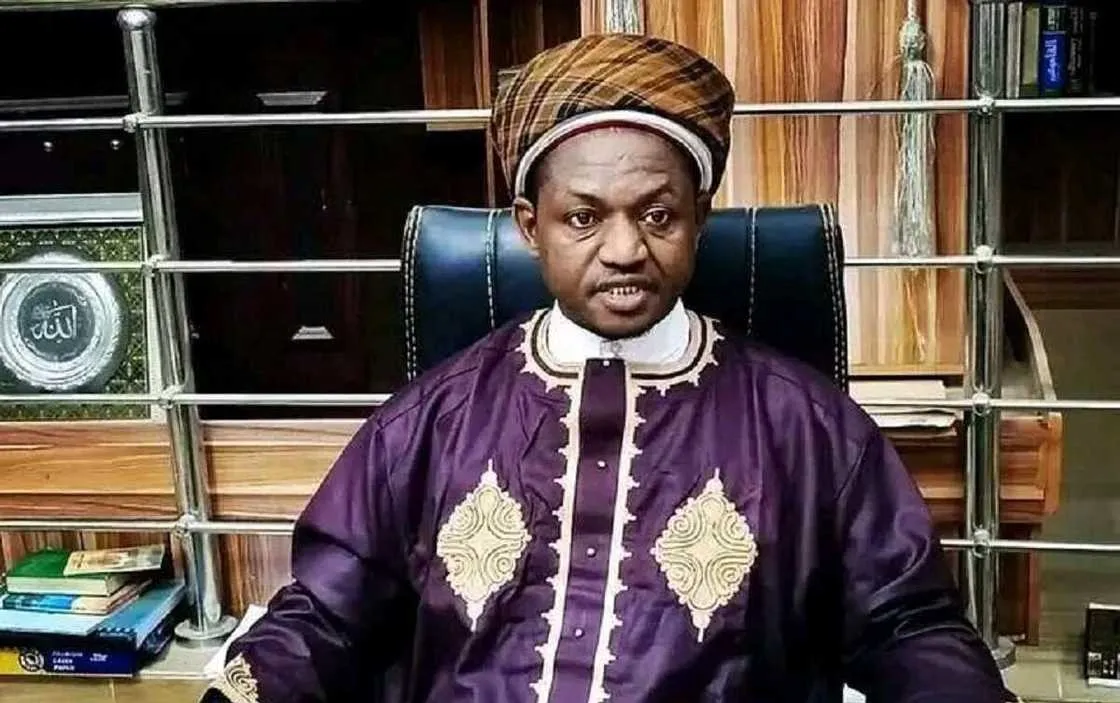
Islamic cleric challenges death sentence, claims judicial interference and political persecution.
By Yahaya Jinjirj | Kano, Nigeria
Abduljabbar Kabara, an Islamic cleric sentenced to death for blasphemy in Kano, has petitioned the Kudirat Kekere-Ekun, alleging systematic obstruction of his right to appeal.
In a formal complaint submitted to the Supreme Court, the cleric described his conviction as unjust and politically motivated, insisting it was aimed at silencing him.
Mr Kabara was sentenced to death by hanging in December 2022 by a Kano Upper Sharia Court after remarks deemed blasphemous against Prophet Muhammad (PBUH).
In his 14-page petition received on March 26, the cleric alleged that despite filing a notice of appeal shortly after the judgement and submitting further motions in 2024, judicial authorities deliberately frustrated the process.
He claimed that court officials tampered with his filings, altered submission dates, and misrepresented his legal arguments in a manner that favoured the Kano State Government.
Mr Kabara further argued that his conviction violates Section 38(1) of the Nigerian Constitution, which guarantees freedom of thought, conscience, and religion.
Kano Judiciary Denies Allegations
Responding to the claims, Kano Judiciary spokesperson Baba Jibo dismissed the allegations as inconsistent with the facts.
According to him, the cleric was given adequate opportunity to file his appeal within the required timeframe. He added that Kabara’s legal counsel maintained regular contact with him during detention and that all procedural steps were taken with his consent.
Mr Jibo maintained that the judiciary cannot be held responsible for any lapses in the appellate process.
Claims of Political and External Influence
In a more controversial aspect of his petition, Mr Kabara alleged that his legal troubles began after he refused to cooperate with individuals seeking to position him as a revolutionary religious figure.
He claimed he was approached by both local and foreign actors, including alleged Iranian representatives, with offers of financial inducements to support a broader agenda.
The cleric also alleged he was once deceived into consuming a substance linked to these efforts, though no independent verification of the claim has been provided.
Background to the Case
The prosecution’s case was based on audio recordings of Mr Kabara’s sermons, which the court ruled contained interpretations of Hadith considered insulting to Prophet Muhammad.
Prior to his arrest, the Kano State Government had organised a public debate in July 2021 between Mr Kabara and other Islamic scholars. The panel concluded that he failed to substantiate his positions, a development that preceded his arrest and eventual trial.
Mr Kabara has since been transferred from Kano to the Medium Security Custodial Centre in Kuje, Abuja, on security grounds.
The case raises critical questions about judicial transparency, religious freedom, and due process in Nigeria. The outcome of Kabara’s petition could influence how blasphemy-related convictions are handled within the country’s legal framework, particularly in states operating Sharia law.


Leave a Reply