
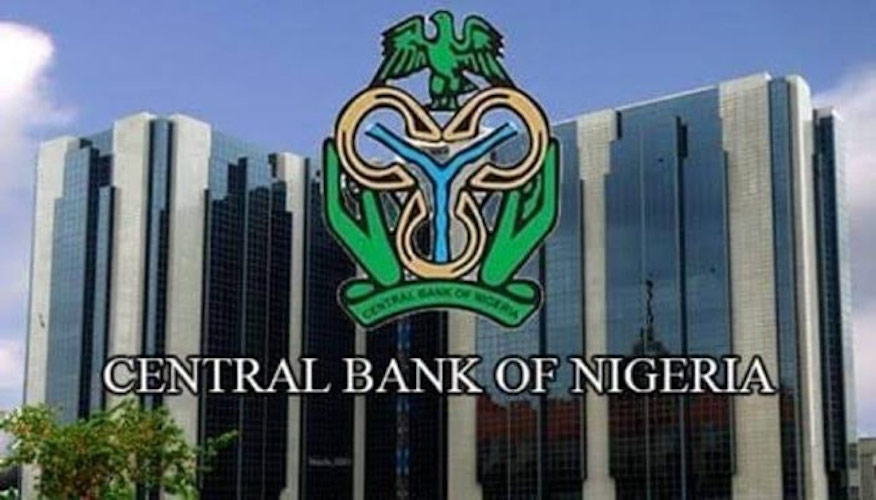
Affected institutions cited for regulatory violations including inadequate capital, prolonged inactivity and unauthorised closure of operations as CBN says action is aimed at protecting depositors and preserving financial system stability.
By Baron Eloagu | July 2, 2026
ABUJA, NIGERIA — The Central Bank of Nigeria (CBN) has revoked the operating licences of 46 microfinance banks across the country, citing widespread regulatory breaches and non-compliance with statutory requirements governing licensed financial institutions.
The decision, which took effect on July 1, 2026, represents one of the most significant regulatory actions against Nigeria’s microfinance banking sector in recent years and underscores the apex bank’s renewed emphasis on financial sector stability, depositor protection and strict regulatory compliance.
The revocation was announced in a statement signed by the CBN’s Acting Director of Corporate Communications, Hakama Sidi-Ali, following approval by the Governor of the Central Bank of Nigeria, Olayemi Cardoso.
Regulatory Powers Invoked
According to the apex bank, the action was taken pursuant to Sections 12 and 13 of the Banks and Other Financial Institutions Act (BOFIA), 2020, which empower the CBN to revoke banking licences where institutions fail to satisfy conditions necessary for continued operation.
The regulator stated that the affected institutions no longer met the minimum standards required to remain licensed financial service providers.
The CBN noted that its decision followed comprehensive supervisory assessments which established serious regulatory deficiencies among the affected banks.
Why the Licences Were Revoked
The apex bank identified several violations that informed the decision.
According to the CBN, one or more of the following infractions were established against the affected institutions:
- Failure to maintain sufficient assets to cover liabilities.
- Closure of banking operations without prior approval from the Central Bank.
- Prolonged inactivity and cessation of financial intermediation.
- Failure to commence operations within 12 months after obtaining banking licences.
- Failure to maintain statutory minimum capital requirements unimpaired by accumulated losses.
Financial analysts note that these requirements are fundamental safeguards designed to ensure that deposit-taking institutions remain capable of protecting customers’ funds and maintaining public confidence in the banking system.
Banks Across Multiple States Affected
The affected institutions span Tier 1, Tier 2 and State Microfinance Banks operating across numerous states, including Lagos, Kano, the Federal Capital Territory, Abia, Ogun, Kaduna, Niger, Plateau, Rivers, Bayelsa, Benue, Cross River, Delta, Kebbi, Kwara, Ondo, Osun, Oyo and Anambra.
Among the banks whose licences were revoked are:
- Gold Microfinance Bank
- Creditville Microfinance Bank
- Supreme Microfinance Bank
- Winview Microfinance Bank
- Merchant Microfinance Bank
- Safegate Microfinance Bank
- NOW NOW Digital Microfinance Bank
Several Kano-based microfinance institutions were also affected, including:
- Bompai Microfinance Bank
- Minjibir Microfinance Bank
- Shanono Microfinance Bank
- Sumaila Microfinance Bank
- Rimin Gado Microfinance Bank
- Sycamore Microfinance Bank
- TOFA Microfinance Bank
- Kanopoly Microfinance Bank
- Esteem Microfinance Bank
The complete list released by the CBN contains 46 institutions spread across the federation.
Stronger Oversight Under Cardoso
The latest action forms part of the CBN’s broader regulatory reforms under Governor Olayemi Cardoso aimed at restoring confidence in Nigeria’s financial sector.
The apex bank said enforcement measures remain essential to ensuring that only institutions capable of meeting prudential standards continue operating.
According to the CBN, maintaining strict compliance is critical to preserving financial stability and preventing systemic risks within the banking industry.
The regulator reiterated that supervisory interventions will continue wherever institutions fall short of statutory obligations.
What It Means for Depositors
Although licence revocation often raises concerns among customers, banking experts note that depositors of licensed financial institutions benefit from protection provided by the Nigeria Deposit Insurance Corporation (NDIC).
The development comes shortly after the NDIC disclosed that over 281 million depositors within Nigeria’s banking system are currently protected under the country’s deposit insurance framework.
According to the NDIC, reforms introduced in 2024 significantly expanded insurance coverage while accelerating reimbursement procedures for customers of failed financial institutions.
The corporation stated that deposit insurance currently extends across 914 licensed financial institutions, with more than 98 per cent of depositors reportedly fully covered within existing insurance limits.
Industry observers say the combination of CBN regulatory enforcement and NDIC deposit protection is intended to minimise public losses while strengthening confidence in the financial system.
Implications for the Microfinance Industry
The licence revocations are expected to trigger increased scrutiny of Nigeria’s microfinance banking sector.
Microfinance banks play a critical role in providing financial services to low-income earners, small businesses, rural communities and financially excluded populations.
However, regulators have consistently warned that weak corporate governance, inadequate capitalisation, poor risk management and prolonged operational inactivity threaten the sustainability of some operators.
Analysts believe the latest enforcement action sends a strong signal that regulatory compliance will become increasingly stringent across the sector.
CBN Reaffirms Commitment to Financial Stability
The Central Bank reaffirmed its commitment to maintaining a safe, resilient and transparent financial system.
It stated that regulatory enforcement remains necessary to protect depositors, promote sound banking practices and preserve confidence in Nigeria’s financial markets.
The apex bank added that it would continue deploying supervisory tools and enforcement measures whenever institutions fail to comply with applicable laws and prudential guidelines.
Conclusion
The revocation of licences for 46 microfinance banks marks another major regulatory intervention by the Central Bank of Nigeria aimed at strengthening governance and stability within the financial sector.
While the action is expected to affect the operations of the affected institutions, regulators insist it is ultimately designed to protect depositors, improve confidence in the banking system and ensure that only financially sound institutions remain licensed to operate.
As Nigeria continues implementing broader financial sector reforms, market participants will be closely watching how regulators balance enforcement with efforts to expand financial inclusion nationwide.
FULL LIST OF THE 46 MICROFINANCE BANKS
- Gold Microfinance Bank
- Creditville Microfinance Bank
- Supreme Microfinance Bank
- Winview Microfinance Bank
- Merchant Microfinance Bank
- Safegate Microfinance Bank
- NOW NOW Digital Microfinance Bank
- Bompai Microfinance Bank
- Minjibir Microfinance Bank
- Shanono Microfinance Bank
- Sumaila Microfinance Bank
- Rimin Gado Microfinance Bank
- Sycamore Microfinance Bank
- TOFA Microfinance Bank
- Kanopoly Microfinance Bank
- Esteem Microfinance Bank
- (Continue with the remaining institutions exactly as published in the official CBN gazette or statement to ensure completeness and accuracy.)













Leave a Reply