
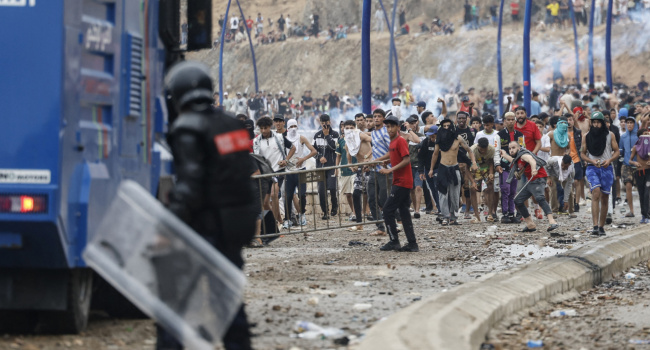
Spain deploys troops, drones and divers as over 60,000 migrants surge into Ceuta, triggering diplomatic tensions across Europe and renewed debate over migration policies.
By A1NEWS International
CEUTA, Spain — August 1, 2026
A humanitarian crisis is unfolding on Europe’s southern frontier after at least 67 migrants died attempting to reach Spain’s North African enclave of Ceuta, as an unprecedented surge of more than 60,000 migrants crossed from Morocco within hours, overwhelming border authorities and igniting a political and diplomatic storm across the European Union.
The tragedy, which initially claimed 18 lives before the toll climbed sharply, has once again exposed the deadly risks of irregular migration across the Mediterranean while raising urgent questions about border security, humanitarian protection and the growing migration pressures confronting Europe.
Spanish authorities have since reinforced security in Ceuta with troops, drones, patrol boats and specialist divers, while neighbouring European countries have responded with calls for tighter border controls and renewed scrutiny of Spain’s management of the crisis.
Death Toll Climbs as Thousands Attempt Dangerous Crossing
Spanish Interior Minister Fernando Grande-Marlaska confirmed on Saturday that the number of confirmed deaths had risen to 67, making it one of the deadliest migration incidents involving the Spanish enclave in recent years.
Many of those attempting the crossing reportedly entered Ceuta by swimming around the border fence separating Morocco from the Spanish territory.
Witnesses described chaotic scenes as hundreds of men, women and children abandoned flotation devices and personal belongings before struggling through dangerous waters in an attempt to reach European soil.
While thousands succeeded in entering Ceuta, officials said many migrants had voluntarily returned or were escorted back to Morocco by Saturday.
More Than 60,000 Migrants Cross Into Ceuta
Authorities estimate that over 60,000 migrants crossed into Ceuta overnight between Thursday and Friday, overwhelming local infrastructure and security personnel.
Police sources said the majority bypassed the heavily guarded border crossing by swimming around the maritime barrier connecting Morocco to the Mediterranean Sea.
The unprecedented influx has placed enormous pressure on emergency services, humanitarian agencies and Spanish security forces tasked with managing the arrivals.
Spanish authorities described the situation as one of the most significant migration surges ever witnessed in the enclave.
Spain Mobilises Military and Security Forces
In response to the crisis, the Spanish government deployed additional security assets to Ceuta.
The reinforcement includes:
- Military personnel.
- National Police units.
- Civil Guard officers.
- Maritime patrol boats.
- Surveillance drones.
- Specialist diving teams.
Officials said the objective is to restore order, protect lives and prevent further dangerous crossings while supporting humanitarian operations for vulnerable migrants.
Emergency services have also been mobilised to provide medical assistance, temporary shelter and humanitarian support for those arriving exhausted or injured.
Humanitarian Concerns Grow
Images from Ceuta have highlighted the human cost of irregular migration.
Television footage showed exhausted migrants—including women and young children—arriving on Spanish beaches after risking their lives in strong Mediterranean currents.
Aid organisations have warned that many migrants undertake such dangerous journeys because they perceive no safer alternatives for seeking protection or economic opportunities.
Migration experts say overcrowded routes and increasingly hazardous crossings continue to contribute to rising fatalities along Europe’s southern migration corridors.
Diplomatic Tensions Spread Across Europe
The migration surge has rapidly evolved into a diplomatic issue within the European Union.
Italy called for Spain to be suspended from the Schengen Area, Europe’s passport-free travel zone, arguing that the situation posed broader security concerns for member states.
Spain rejected the proposal, accusing Italy of exploiting the humanitarian crisis for domestic political purposes.
The disagreement prompted Madrid to summon Italy’s ambassador for diplomatic consultations.
Meanwhile, Finland publicly supported Italy’s position, further intensifying debate over responsibility for protecting the European Union’s external borders.
France Tightens Border Controls
France also reacted swiftly to the developments.
French Interior Minister Laurent Nuñez announced that authorities had been instructed to strengthen security checks along the Spanish-French border.
The move reflects growing concern among European governments that the influx into Ceuta could trigger secondary migration across the continent.
European officials continue to monitor the evolving situation while assessing additional measures to manage migration flows.
Echoes of the 2021 Ceuta Migration Crisis
The latest developments have drawn comparisons with the 2021 Ceuta migration crisis, when thousands of migrants crossed into the enclave after Morocco temporarily relaxed border controls during a diplomatic dispute with Spain.
Analysts note that although the current circumstances differ, the renewed surge once again illustrates how migration has become intertwined with broader diplomatic, economic and geopolitical relations between European and North African states.
The recurring crises have renewed calls for long-term cooperation between Morocco, Spain and the European Union on migration management.
Migration Becomes Global Political Issue
The Ceuta crisis has also attracted international political attention beyond Europe.
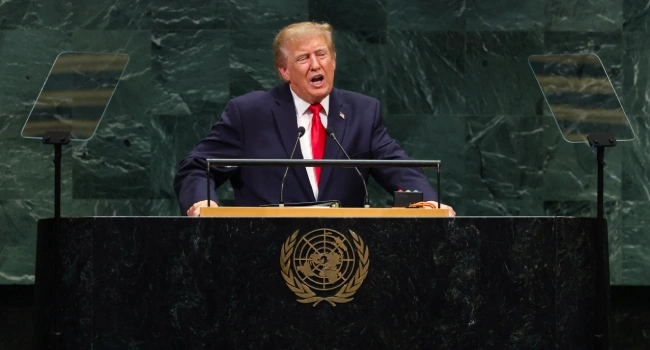
According to reports, senior officials within U.S. President Donald Trump’s administration referenced videos of the migrant crossings while reiterating the administration’s strict anti-illegal immigration policies.
Observers say the incident underscores how migration continues to shape political discourse across multiple regions, influencing debates on border security, asylum policies and international cooperation.
Experts Call for Long-Term Solutions
Migration analysts argue that military deployments and stricter border enforcement alone are unlikely to resolve the underlying drivers of irregular migration.
They point to several contributing factors, including:
- Armed conflicts.
- Poverty and unemployment.
- Political instability.
- Climate-related displacement.
- Human trafficking networks.
- Limited legal migration pathways.
Experts have urged European and African governments to strengthen international cooperation aimed at addressing the root causes of migration while expanding humanitarian protection mechanisms.
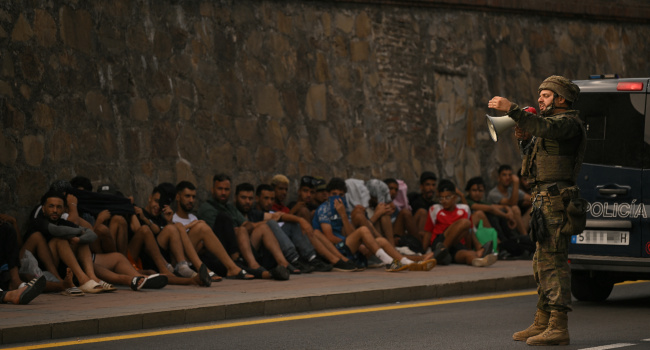
The deaths of at least 67 migrants during the latest crossing into Ceuta represent another tragic reminder of the human cost of irregular migration across the Mediterranean.
As Spain strengthens border security and European governments debate tougher migration policies, humanitarian organisations continue to warn that without comprehensive international solutions, desperate migrants will likely continue risking their lives in search of safety and opportunity.
For Europe, the crisis is not only a border security challenge but also a test of humanitarian responsibility, regional cooperation and the ability to balance national security with the protection of human life.














Leave a Reply