
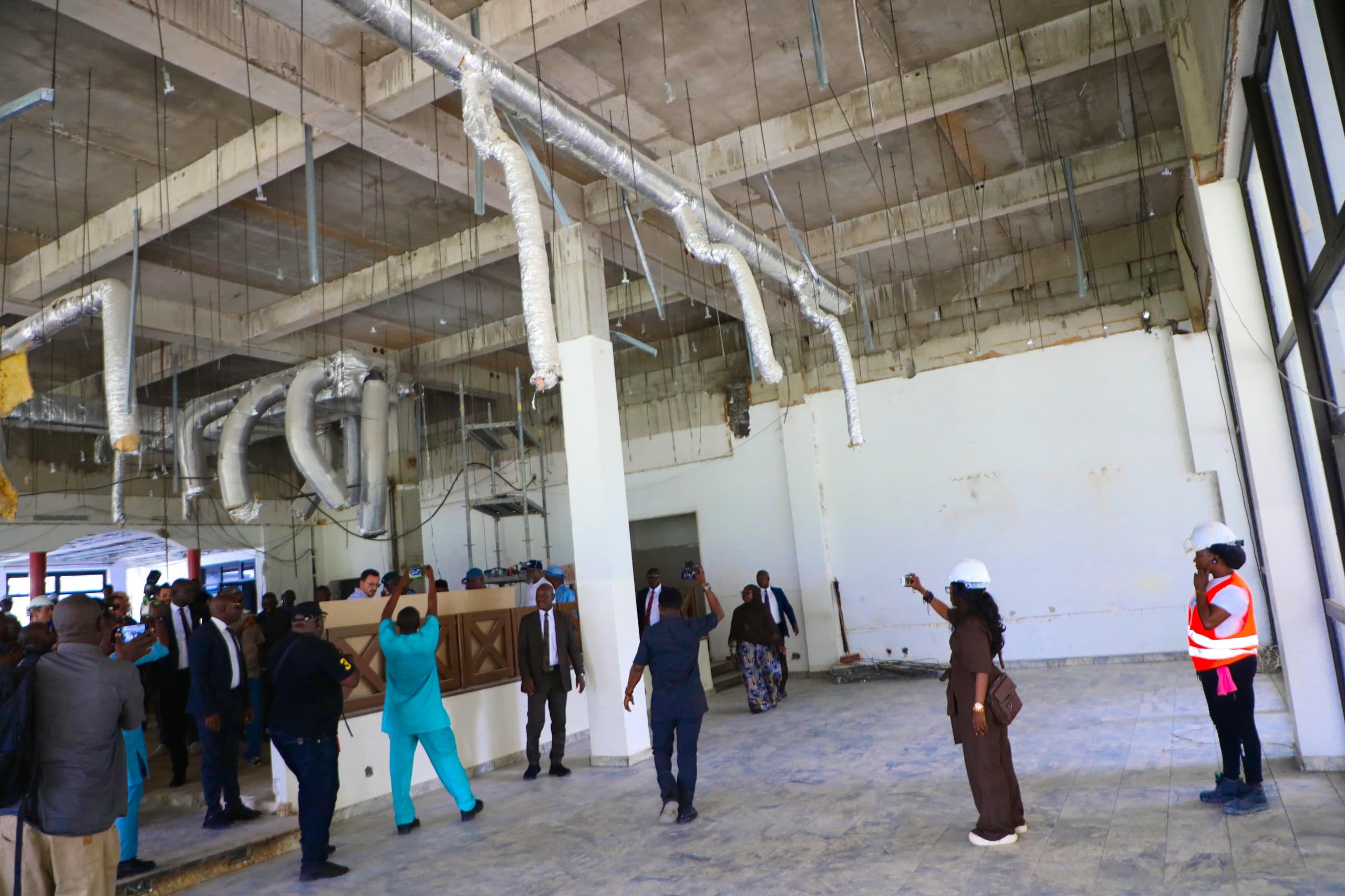
Wike says Julius Berger is targeting November handover of the rehabilitated facility, while FCT Administration sets December for public reopening
Byline: By Amarachi Odenigbo
Dateline: ABUJA, Nigeria — August 22, 2026
The rehabilitation of the IBB Golf and Country Club in Aso Drive, Maitama, Abuja, is expected to be completed and the facility reopened to the public in December 2026, the Minister of the Federal Capital Territory (FCT), Nyesom Wike, has announced.
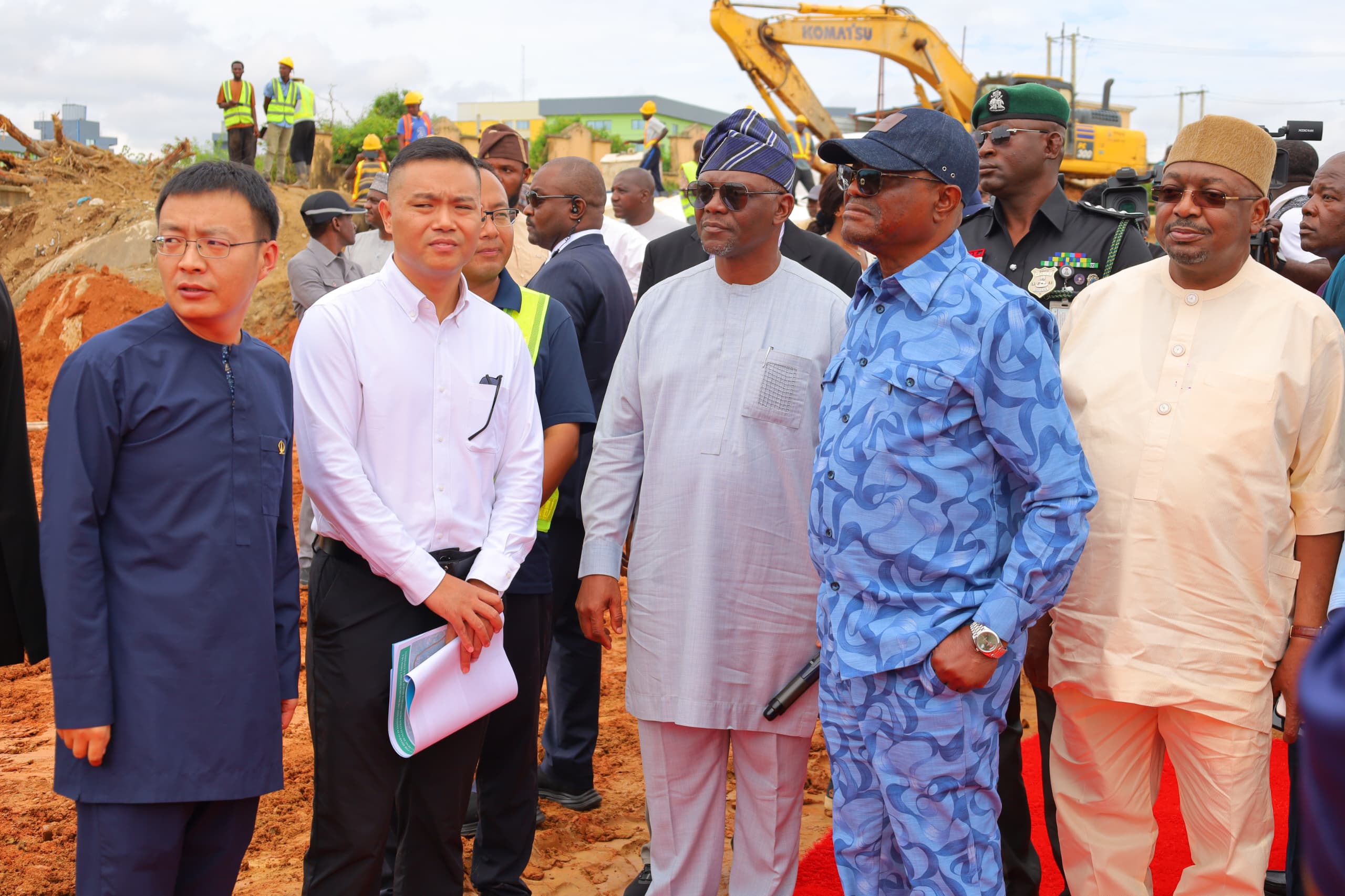
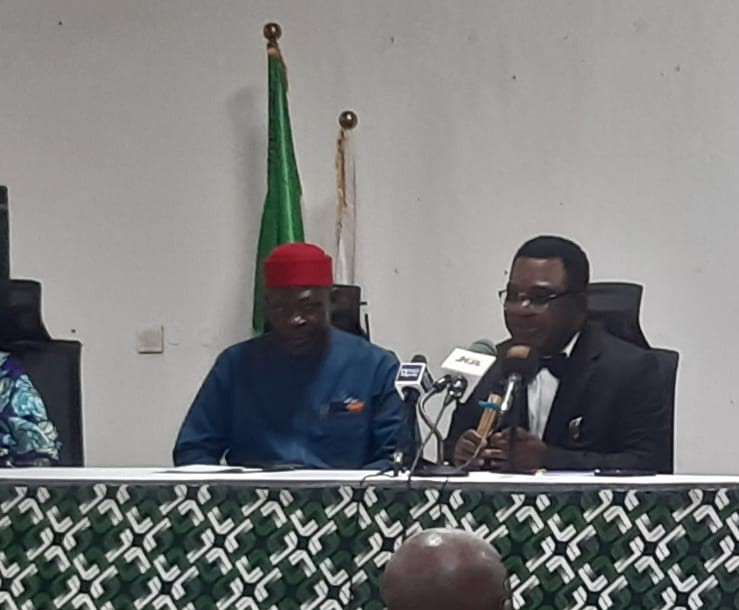
Wike made the disclosure on Friday, August 21, 2026, after inspecting a number of major infrastructure projects across the Federal Capital Territory that have been scheduled for completion and handover before the end of the year.
The projects inspected included Collector Road CO1 in Life Camp, linking Berger Clinic to Dape District, and Arterial Road N1, connecting Wuye District with Ring Road II.
While the minister expressed satisfaction with progress on the road projects, the planned reopening of the golf club raises broader questions about the management, financing and long-term sustainability of a facility that has historically served diplomats, club members and members of the public.
Julius Berger Set For November Handover
According to Wike, Julius Berger Plc, the company that originally constructed the golf club, is handling the rehabilitation work.
The contractor has indicated that it could complete and hand over the project in November. However, the FCT Administration has retained December as the operational target because the reopening date is tied to a directive from President Bola Ahmed Tinubu.
Wike said the administration was doing everything necessary to ensure the contractor meets the required timeline.
“Mr. President directed that this Golf Course must be ready and reopened by December.”
The minister said the rehabilitation followed presidential intervention after the club was shut down amid an internal crisis among its members.
The government subsequently supported the establishment of a caretaker committee to oversee the affairs of the club and facilitate the process of restoring the facility.
Why The Club Was Shut Down
The IBB Golf and Country Club had been closed following an internal dispute among members, creating a governance crisis that eventually required external intervention.
Wike said a caretaker committee headed by the President of the Court of Appeal was constituted to manage the affairs of the club during the period of disruption.
He credited the committee with helping to move the rehabilitation process forward, including facilitating the engagement of Julius Berger.
The minister’s comments indicate that the intervention is not simply an infrastructure rehabilitation exercise but also part of an attempt to restore institutional stability to the club.
That distinction could prove important because completing the physical rehabilitation will not, by itself, resolve the governance issues that led to the closure.
Government Wants The Club To Become Self-Sustaining
One of the most significant aspects of Wike’s announcement is the government’s position on the future financing of the facility.
The minister said the club should generate sufficient revenue to fund its operations once it is reopened, rather than continue depending on public funds.
“When this is done, they should be able to raise funds for themselves to run this place. The government should not…use public funds to go and be doing this.”
The position raises an important accountability issue: who will ultimately bear responsibility for maintaining the facility and how will its revenue be managed?
A financially self-sustaining model could reduce pressure on public finances, but it also makes transparency around membership, fees, contracts, revenue collection and expenditure critical to ensuring that the facility remains publicly accountable.
Diplomatic Pressure Behind The Reopening
Wike also linked the presidential intervention to concerns from members of the diplomatic community.
According to the minister, diplomats had complained about the absence of an accessible golf facility following the closure.
The club’s location in Maitama, one of Abuja’s prominent diplomatic and residential districts, has historically made it an important recreational venue for diplomats and other high-profile residents.
Wike said he understood the importance of golf and expected the facility to be available again by December.
The reopening could therefore restore an important recreational and social venue within Abuja’s diplomatic community while also providing a facility accessible to members of the public.
Life Camp Road Project Targets December
The minister’s inspection also focused on major road infrastructure.
At Collector Road CO1 in Life Camp, Wike expressed satisfaction with the quality and pace of construction being undertaken by Julius Berger.
The road, which runs from Berger Clinic towards Dape District, is expected to be handed over by December.
The project forms part of the FCT Administration’s wider infrastructure programme aimed at improving connectivity between developing districts and easing pressure on existing road networks.
The completion deadline places pressure on both the contractor and the FCT Administration to maintain construction momentum, particularly as Abuja’s rapidly expanding urban footprint continues to create demand for additional road capacity.
Arterial Road N1 Also On Track
Wike also inspected the Arterial Road N1, which links Wuye District with Ring Road II.
The project is being executed by Arab Contractors, and the minister commended the quality of work observed during the inspection.
Like the Life Camp project, the road is expected to be handed over by December.
The simultaneous development of major connecting roads is significant for Abuja’s transportation network because improved arterial links can reduce travel times, redistribute traffic and support expansion into emerging districts.
However, the real impact will depend on whether the projects are delivered on schedule and integrated effectively with the FCT’s broader transportation infrastructure.
Wike Turns From Infrastructure To 2027 Politics
The minister’s briefing also moved beyond infrastructure into the increasingly contentious political landscape ahead of Nigeria’s 2027 general elections.
Wike was asked about the political significance of a recent meeting between President Tinubu and Osun State Governor-elect Ademola Adeleke.
In his response, the minister argued that Adeleke’s political relationship with the President should be viewed within the context of a broader coalition supporting Tinubu.
Wike explained that although Adeleke is formally associated with the Peoples Democratic Party (PDP), his recent electoral contest was conducted under the platform of the Accord Party amid internal political disputes.
He nevertheless characterised Adeleke as a supporter of the President.
‘Rainbow Coalition’ And The 2027 Contest
Wike described the emerging political alignment around Tinubu as a “larger rainbow coalition”, predicting that the coalition would become more visible in the weeks ahead.
He went further by suggesting that the outcome of the 2027 presidential contest was effectively settled.
The claim represents a political assessment rather than an established electoral fact, particularly because the 2027 elections remain ahead and the final field of candidates, alliances and campaign structures can change substantially before voting.
The minister also dismissed the strength of opposition formations, including the African Democratic Congress (ADC), pointing to internal disputes within opposition political parties.
Opposition Under Pressure
Wike’s remarks reflect the increasingly aggressive political positioning ahead of the 2027 elections.
He argued that opposition figures should not expect political opponents to make them comfortable and openly described his objective as ensuring that rival political forces remain under pressure.
“When you are having a contest with somebody, your business is not to make him feel well. Your business is to beat him thoroughly so that he will be sick all through.”
The statement highlights the competitive nature of the emerging 2027 political landscape and signals that political alliances around the Tinubu administration could become a major factor in the contest.
For opposition parties, however, the minister’s assessment also presents a challenge: internal divisions could weaken their ability to translate public dissatisfaction into an effective national electoral coalition.
The Bigger Accountability Questions
While the December reopening of the IBB Golf and Country Club is likely to be welcomed by club members, diplomats and other users, the project also raises questions that extend beyond the reopening ceremony.
The first is cost: how much public money is being committed to the rehabilitation, and what are the terms of the contract awarded to Julius Berger?
The second is governance: what institutional arrangements will prevent the internal disputes that led to the closure from recurring?
The third is financial sustainability: what mechanisms will ensure that the club can generate and transparently manage its own revenue without requiring repeated government intervention?
And the fourth is public access: will the reopened facility remain accessible to a broad range of users, or will its operations primarily serve a restricted membership and diplomatic clientele?
These questions will become increasingly relevant as the FCT Administration moves from construction to operational handover.
December Deadline Becomes The Test
For now, the FCT Administration has established a clear timetable: Julius Berger is expected to complete the rehabilitation in November, with the club scheduled for reopening in December.
The road projects inspected by Wike are similarly targeted for completion before the end of the year.
The coming months will therefore provide a practical test of the administration’s ability to convert project announcements and presidential directives into completed, functioning infrastructure.
For the IBB Golf and Country Club, however, the real measure of success will not simply be the reopening of the gates.
It will be whether the facility emerges from the crisis with sound governance, financial independence, transparent management and a sustainable operating model capable of preventing another shutdown.
Wike’s inspection tour places Abuja’s infrastructure programme and the IBB Golf Club rehabilitation on a December deadline.
The projects may offer visible gains for residents and users of the capital, but delivery will ultimately be judged by more than ribbon-cutting ceremonies.
For the golf club in particular, the challenge is to ensure that public intervention produces a sustainable institution rather than another cycle of government-funded rehabilitation.
At the same time, Wike’s political comments demonstrate that the infrastructure agenda is unfolding alongside an increasingly active 2027 political realignment, with the minister openly positioning the Tinubu camp for a broader coalition while challenging the capacity of opposition parties to mount a formidable contest.
Editorial Note:
This report distinguishes between confirmed project timelines and political assertions made by the FCT Minister. Wike’s prediction that the 2027 presidential election is effectively decided is presented as his political assessment, not as an established electoral outcome.

Leave a Reply