
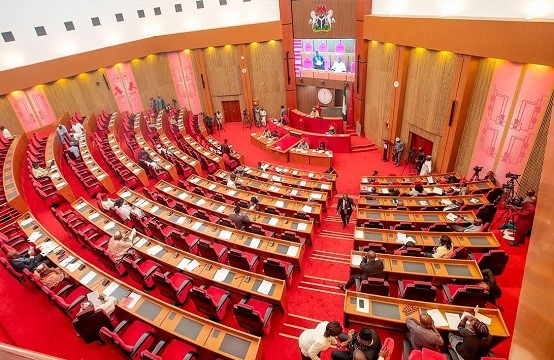
Court ruling on alleged procurement breaches reignites debate on legislative spending as Senate leadership insists lawmakers do not determine their own remuneration.
By Umar Baba / June 10, 2026
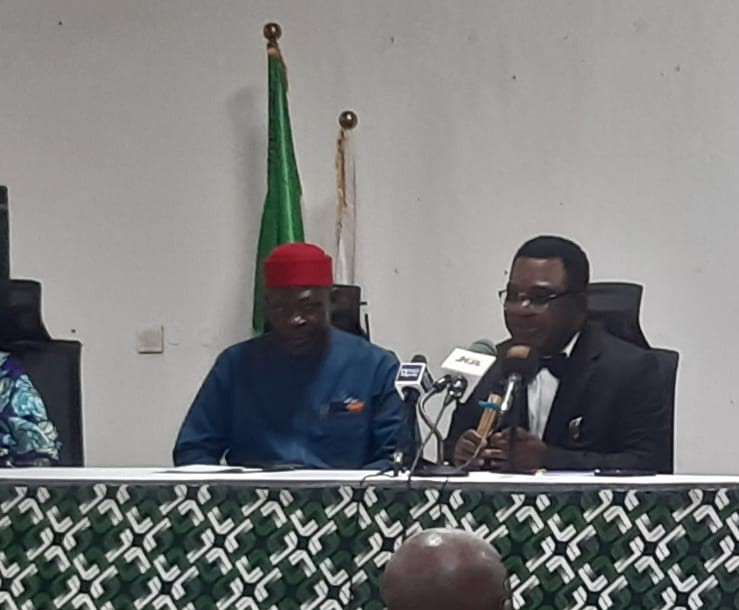
ABUJA, NIGERIA — Senate Leader Opeyemi Bamidele has moved to clarify growing public controversy over lawmakers’ salaries and allowances, insisting that Nigerian legislators do not fix their own pay structure, which is determined solely by the Revenue Mobilisation Allocation and Fiscal Commission (RMAFC).
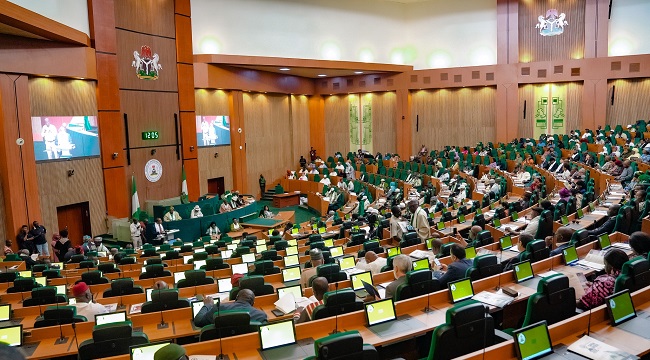
His remarks come amid heightened scrutiny of National Assembly expenditures, including court findings that questioned multi-billion-naira spending on vehicles and allowances for federal lawmakers.
The debate has reignited long-standing concerns about transparency, procurement compliance, and public trust in legislative financial practices.
COURT RULING RAISES QUESTIONS OVER NATIONAL ASSEMBLY SPENDING
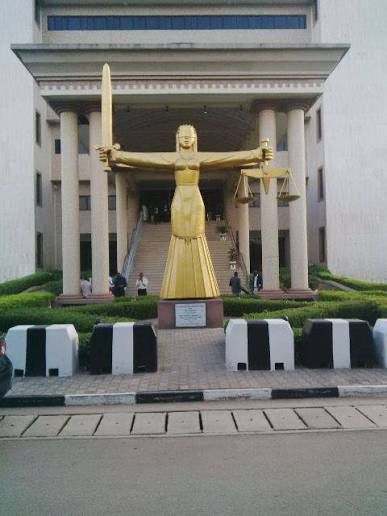
Recent judicial pronouncements reportedly ruled that the expenditure of approximately ₦40 billion on 465 vehicles for lawmakers and an additional ₦70 billion in support allowances for newly elected members violated procurement regulations and constitutional financial procedures.
The court further held that such spending breached public trust and ordered the leadership of both chambers of the National Assembly to ensure strict adherence to due process in future expenditures.
The judgment has triggered renewed public debate over legislative accountability and oversight mechanisms governing the use of public funds.
SENATE LEADER DEFENDS LAWMAKERS’ REMUNERATION STRUCTURE
Responding to the controversy, Senate Leader Bamidele stated that lawmakers have no authority to determine their own salaries or allowances.
According to him, all remuneration for federal legislators is set by the Revenue Mobilisation Allocation and Fiscal Commission, the statutory body responsible for fixing salaries of political office holders.
“Legislators do not determine their own remunerations. Salaries and allowances are fixed by RMAFC,” Bamidele stated.
He maintained that public perception often misrepresents the role of lawmakers in financial decisions affecting their compensation.
CLARIFYING VEHICLE AND ALLOWANCE EXPENDITURES
Bamidele further explained that provisions for official vehicles and related allowances are not personal entitlements but operational tools meant to support legislative duties.
He argued that such resources are intended to facilitate constituency engagement, oversight functions, and legislative responsibilities across different regions of the country.
However, critics have repeatedly raised concerns about the scale of procurement spending within the National Assembly, calling for tighter oversight and stricter adherence to procurement laws.
CALL FOR TRANSPARENCY IN PUBLIC OFFICE REMUNERATION
The Senate Leader acknowledged widespread public skepticism surrounding the remuneration of political office holders, attributing it to limited transparency and misunderstanding of statutory frameworks.
He called for improved public communication regarding salary structures to reduce misinformation and strengthen trust between citizens and elected officials.
According to him, clearer disclosure mechanisms could help bridge the gap between legislative operations and public expectations.
PUBLIC TRUST AND GOVERNANCE DEBATE
The controversy surrounding legislative spending comes amid broader national debates over governance accountability, fiscal discipline, and the use of public funds across government institutions.
Civil society groups have repeatedly called for reforms in procurement processes within the National Assembly, citing concerns over large-scale expenditures and compliance with due process.
Analysts argue that while remuneration structures may be externally regulated, transparency in procurement and expenditure remains essential for maintaining institutional credibility.
Senate Leader Opeyemi Bamidele’s clarification highlights the statutory role of the Revenue Mobilisation Allocation and Fiscal Commission in determining lawmakers’ salaries, while the controversy surrounding National Assembly spending continues to raise broader questions about procurement practices and public accountability.
As court rulings and public scrutiny intensify, pressure is mounting on legislative leadership to demonstrate greater transparency in the management of public funds and compliance with procurement laws.
The debate underscores a recurring tension between institutional explanations and public perception in Nigeria’s governance landscape.








Leave a Reply