

Human Rights Commission Warns Against Electoral Violations, Demands Stronger Safeguards for Democratic Participation
By A1NEWS International / June 12, 2026
ABUJA, Nigeria — As Nigeria marks the 33rd anniversary of the historic June 12, 1993 presidential election, the Executive Secretary of the National Human Rights Commission (NHRC), Chief Tony Ojukwu, OFR, SAN, has declared that credible elections are not privileges granted by political actors but fundamental human rights guaranteed under national and international law.
In a Democracy Day message issued in Abuja, Ojukwu emphasized that the June 12 election remains one of Nigeria’s strongest examples that free, fair, transparent, and credible elections are achievable when institutions place the will of the people above partisan interests.
The NHRC chief maintained that the lessons of June 12 remain relevant today as Nigeria continues to grapple with electoral irregularities, voter disenfranchisement, violence, and declining public confidence in democratic processes.
June 12 Remains Nigeria’s Benchmark for Electoral Integrity
According to Ojukwu, the annulled June 12, 1993 election remains Nigeria’s most compelling evidence that electoral transparency can thrive when electoral management bodies operate with sincerity, openness, and strict adherence to legal provisions.
He credited the late electoral umpire, Prof. Humphrey Nwosu, for introducing innovative electoral procedures such as the Option A4 voting system and the Modified Open Ballot System, which enhanced transparency and public confidence in the electoral process.
The NHRC boss noted that these reforms demonstrated that electoral integrity is not merely dependent on technology but on institutional commitment, accountability, and respect for the electorate.
“June 12 remains a reminder that credible elections are a fundamental human right, not a privilege,” Ojukwu stated.
Electoral Rights Protected Under Nigerian and African Laws
The Executive Secretary stressed that citizens’ participation in governance through periodic and credible elections is firmly protected by both domestic and international legal frameworks.
He cited provisions of the 1999 Constitution of the Federal Republic of Nigeria as well as the African Charter on Human and Peoples’ Rights, which guarantee every citizen the right to participate freely in the governance of their country.
According to him, democratic participation extends beyond casting ballots and includes the broader rights of expression, association, political engagement, and peaceful assembly.
He argued that any action that undermines these rights constitutes a violation of fundamental freedoms guaranteed by law.
Vote Buying, Violence and Manipulation Are Human Rights Violations
In a strongly worded warning, Ojukwu described electoral malpractice as more than administrative shortcomings, insisting that they amount to direct violations of citizens’ civil and political rights.
He identified voter suppression, vote buying, electoral violence, intimidation, manipulation of election results, and other forms of electoral misconduct as serious threats to democracy and human dignity.
According to him, such practices deny citizens the opportunity to freely determine their political future and weaken democratic accountability.
“Electoral violations are not merely procedural flaws; they are direct assaults on citizens’ rights and democratic freedoms,” he noted.
Three Decades After June 12, Challenges Persist
Despite Nigeria’s democratic progress since the return to civilian rule in 1999, Ojukwu expressed concern that many of the factors that undermine credible elections remain prevalent.
He observed that electoral misconduct continues to erode public confidence in democratic institutions and contributes to growing voter apathy across the country.
The NHRC chief warned that when citizens lose trust in the electoral process, the legitimacy of elected leaders and public institutions becomes increasingly vulnerable.
He further noted that the consequences extend beyond elections, affecting governance, accountability, national stability, and public participation in democratic processes.
Threats to Elections Also Threaten Fundamental Freedoms
The human rights advocate cautioned that electoral integrity cannot be separated from broader human rights protections.
According to him, whenever elections are compromised, several interconnected rights also come under threat, including freedom of expression, freedom of association, political participation, and the right to peaceful assembly.
He stressed that protecting the sanctity of elections is therefore essential to safeguarding the wider democratic space and ensuring that citizens can freely engage in public affairs without fear, intimidation, or discrimination.
NHRC Pledges Stronger Electoral Monitoring
Ojukwu reaffirmed the Commission’s commitment to promoting electoral justice and protecting the rights of Nigerian voters.
He disclosed that the NHRC will intensify its monitoring of electoral processes nationwide, strengthen documentation of electoral violations, and pursue appropriate remedies for victims of rights abuses linked to elections.
The Commission, he said, remains committed to working with stakeholders to ensure that democratic processes align with international human rights standards.
Call for Institutional Reforms and Accountability
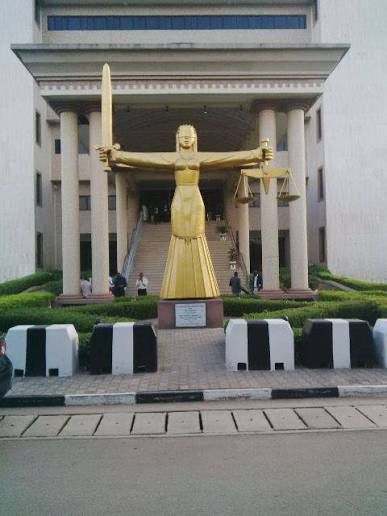
The NHRC boss urged key democratic institutions, including the Independent National Electoral Commission (INEC), political parties, security agencies, the judiciary, civil society organizations, and the media, to uphold neutrality, transparency, and accountability in all electoral activities.
He also called on the National Assembly to enact stronger legislative safeguards that would protect electoral independence, enhance transparency, and improve citizens’ access to justice in electoral disputes.
According to him, strengthening institutions remains critical to preventing future electoral abuses and consolidating Nigeria’s democratic gains.
Building a Democracy That Reflects the People’s Will
As Nigeria commemorates Democracy Day, Ojukwu maintained that the true legacy of June 12 lies in building institutions capable of protecting the people’s mandate and guaranteeing electoral justice.
He emphasized that institutionalizing electoral integrity is indispensable to realizing the constitutional and human rights guarantees of free and fair elections.
The NHRC, he said, stands ready to collaborate with government institutions, civil society organizations, electoral bodies, and development partners to ensure that every Nigerian can freely exercise the right to choose their leaders.
Thirty-three years after the June 12 election reshaped Nigeria’s democratic consciousness, the National Human Rights Commission is warning that the struggle for credible elections remains unfinished. As concerns over electoral integrity continue to dominate national discourse, the Commission insists that protecting the vote is not simply a political obligation but a fundamental human rights imperative. For Nigeria’s democracy to deepen, stakeholders must move beyond rhetoric and guarantee that every vote counts and every citizen’s voice matters.


Leave a Reply