
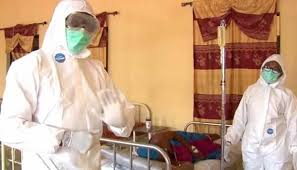
Health authorities activate surveillance and containment measures as outbreak risk intensifies
By A1 News International
Abuja, Nigeria — March 10, 2026
Health authorities in Katsina State have confirmed one death from Lassa Fever alongside six suspected cases, prompting an urgent public health response to contain a potential outbreak. Officials say rapid intervention is critical to prevent wider transmission in a state already facing multiple disease threats.
What Happened
The Executive Secretary of the Katsina State Primary Health Care Agency, Shamsuddeen Yahaya, confirmed that a fatal case linked to Lassa fever has been recorded, with six additional suspected infections currently under investigation.
He disclosed that the situation has triggered heightened epidemiological surveillance as authorities race to contain the spread of the virus.
Emergency Response and Contact Tracing
Health officials have identified 15 individuals who had contact with the deceased patient and placed them under close monitoring. According to Yahaya, all contacts are currently stable, with no new confirmed cases reported.
The state has activated an Emergency Health Operations Centre to coordinate response efforts, including disease surveillance, laboratory testing, case management, and public risk communication.
“We conducted a situation analysis and are working with development partners to ensure the disease does not spread,” Yahaya said.
Authorities have also intensified active case searches across communities and healthcare facilities to enable early detection and isolation of suspected infections.
Multiple Disease Threats Increase Pressure
Beyond Lassa fever, health authorities in Katsina State are monitoring other epidemic-prone diseases, including Cerebrospinal Meningitis, Diphtheria, Mpox, Measles, and Cholera.
The convergence of these health threats is placing additional strain on the state’s healthcare system, particularly in rural areas where access to medical services remains limited.
Public health experts note that Lassa fever cases typically surge during the dry season due to increased human contact with infected rodents, the primary carriers of the virus.
Public Advisory and Prevention Measures
Authorities have issued hygiene advisories to residents, urging them to maintain clean environments, store food properly, and avoid contact with rodents.
Lassa fever is primarily transmitted through exposure to food or household items contaminated by infected rodents, although human-to-human transmission can occur, especially in healthcare settings.
Residents experiencing symptoms such as fever, weakness, or unexplained bleeding have been advised to seek immediate medical attention.
Why It Matters
Nigeria continues to face recurring outbreaks of Lassa Fever, with healthcare workers often at high risk due to exposure during treatment. Early detection, rapid isolation, and sustained surveillance remain critical to preventing escalation into a wider public health emergency.
The current situation in Katsina underscores the importance of preparedness in managing epidemic-prone diseases within fragile health systems.
The development raises fresh concerns about accountability and oversight in Nigeria’s public institutions.












Leave a Reply