
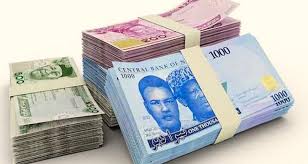
Currency volatility strains Nigerian economy, hits businesses and households amid forex market pressure
By A1 News International
Abuja, Nigeria — March 24, 2026
The naira recorded further depreciation at the official foreign exchange (forex) market on Tuesday, intensifying concerns over Nigeria’s economic stability, rising inflation, and escalating costs for imports. Analysts warn that prolonged currency weakness could compound the country’s mounting cost-of-living crisis.
Market Developments
Data from the Central Bank of Nigeria’s (CBN) official forex window showed a widening gap between dollar demand and supply, pushing the naira to weaker levels. Traders attributed the depreciation to increased dollar purchases by importers and limited foreign currency inflows.
Market operators reported that fluctuations in the naira-dollar exchange rate are already affecting pricing of essential goods, with importers adjusting costs in real time to cover forex losses.
Economic Implications
Economists warn that sustained naira weakness could trigger higher inflation, eroding household purchasing power and squeezing both consumers and businesses.
Dr. Samuel Okoye, an economic analyst at the Nigerian Economic Summit Group, explained: “Depreciation increases the cost of imported goods, fuels inflation, and raises production costs for local businesses reliant on foreign inputs. Without decisive policy intervention, this trend could worsen Nigeria’s already fragile economic recovery.”
Why It Matters
Currency instability remains a key driver of economic hardship for Nigerians. Households face higher prices for food, fuel, and imported goods, while businesses struggle to maintain operations amid rising costs.
Investors are also wary, with the naira’s continued weakening impacting foreign portfolio flows and increasing perceived risk for both local and international stakeholders.
Policy observers argue that strengthening forex supply channels, diversifying the economy, and maintaining monetary stability are critical to restoring confidence in the naira and curbing inflationary pressures.













Leave a Reply