
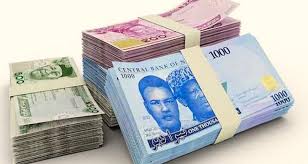
Widening gap between official and parallel rates fuels uncertainty across Nigeria’s economy
By A1 News International
Abuja, Nigeria — March 28, 2026
The naira has come under renewed pressure this week, intensifying concerns over foreign exchange instability and its impact on Nigeria’s economy. A widening gap between official and parallel market rates is increasing costs for businesses and raising fears of further inflation.
Despite ongoing interventions by the Central Bank of Nigeria (CBN), foreign exchange shortages persist, forcing many import-dependent businesses to source dollars at significantly higher rates in the parallel market.
The divergence between official and informal exchange rates reflects underlying pressure on forex supply, with analysts pointing to hoarding behaviour and constrained allocation systems as contributing factors.
Manufacturers and importers report rising input costs as access to foreign currency tightens. Some firms have scaled back production, delayed shipments or adjusted prices upward to absorb the impact of higher exchange rates.
Traders dealing in essential goods say retail prices are already being adjusted to reflect increased import costs and supply disruptions linked to forex volatility.
FX Demand Outpaces Supply
Demand for foreign exchange continues to exceed supply, driven by import needs, external debt obligations and capital repatriation. Inflows from oil exports, remittances and foreign investments remain inconsistent, limiting the volume available in the official market.
This imbalance has pushed more businesses toward the parallel market, where exchange rates are higher and less stable, complicating financial planning and increasing operational risks.
Inflation Risks Intensify
Economists warn that continued naira depreciation could trigger another wave of inflation as higher import costs feed into consumer prices. Essential goods such as food, fuel and pharmaceuticals are particularly vulnerable.
For households already facing rising living costs, further price increases could erode purchasing power and deepen economic hardship.
Policy Response Under Scrutiny
The Central Bank has deployed various measures, including liquidity injections and regulatory controls, to stabilise the currency. However, analysts argue that short-term interventions alone are insufficient without broader structural reforms.
Experts recommend improving forex transparency, boosting non-oil exports, attracting foreign investment and reducing import dependency to address the root causes of the crisis.
Exchange rate instability directly affects inflation, business operations and investor confidence. Without sustained reforms, Nigeria risks prolonged economic uncertainty and slower growth.











Leave a Reply