
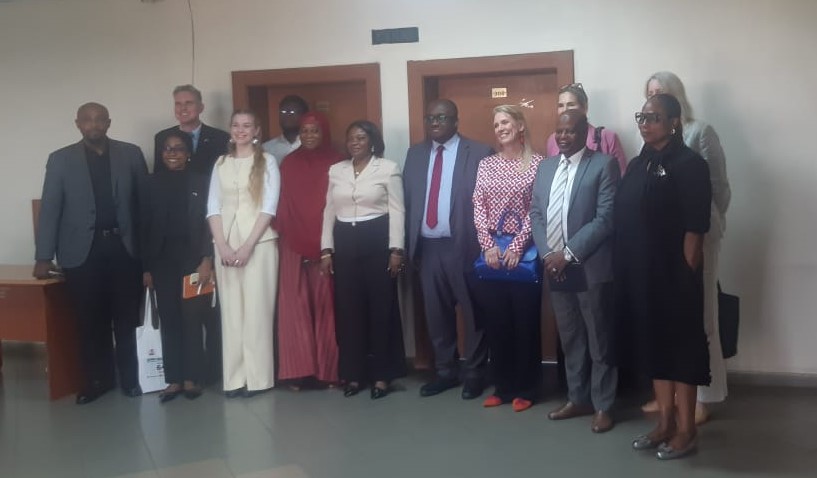
Dutch Deputy Director-General for Political Affairs, Ms. Guusje Korthals Altes, leads delegation to NHRC as Nigeria prepares for UN Human Rights Council membership; religious freedom, electoral rights, civic space and protection of vulnerable groups dominate discussions.
By: Obiageli Ndubuishi
ABUJA, NIGERIA | November 16, 2026
The Kingdom of the Netherlands has expressed its commitment to strengthening human rights cooperation with Nigeria following a diplomatic engagement between its Ministry of Foreign Affairs and the National Human Rights Commission (NHRC) in Abuja.
The delegation, led by the Deputy Director-General for Political Affairs of the Netherlands Ministry of Foreign Affairs, Ms. Guusje Korthals Altes, visited the Commission to discuss Nigeria’s human rights situation, institutional capacity and opportunities for deeper bilateral and multilateral cooperation.
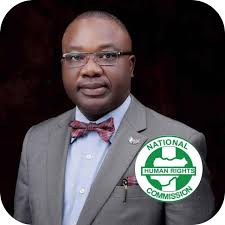
The Commission was represented by its Human Rights Adviser, Dr. Hiliary Ogbonna, who stood in for the Executive Secretary, Dr. Tony Ojukwu.
The engagement comes ahead of Nigeria’s anticipated commencement of membership of the United Nations Human Rights Council in January 2027, providing an opportunity for both countries to explore areas of mutual interest in promoting and protecting fundamental human rights.
Discussions covered freedom of religion, human rights monitoring and documentation, protection of vulnerable populations, electoral rights, freedom of expression and the preservation of civic and political space ahead of Nigeria’s forthcoming elections.
Netherlands Reaffirms Commitment to Human Rights Cooperation with Nigeria
Speaking during the courtesy visit, Ms. Guusje Korthals Altes described human rights as a subject of significant personal and professional importance, emphasising its centrality to state development, democracy and the rule of law.
She recalled her previous experience working in the human rights department and observed that human rights considerations cut across several critical areas of national development.
According to her, respect for human rights remains fundamental to democratic governance, institutional accountability and the establishment of the rule of law.
The Dutch official also acknowledged the existing working relationship between the Netherlands and Nigeria’s human rights institutions, noting that both sides had maintained discussions on possible areas of cooperation.
She expressed satisfaction with the level of engagement between the two countries, including their collaboration through diplomatic channels and international platforms.
Korthals Altes specifically referenced cooperation within the United Nations system, African Union-European Union relations and other international organisations where Nigeria and the Netherlands share common interests.
She said:
“Very much important topic, it’s also a topic very close to my heart. I worked in the human rights department a while ago, but I think it’s central to basically so many areas in state development, democracy and rule of law, it’s really key.”
She further acknowledged the established relationship between the two countries, expressing optimism about strengthening existing partnerships and identifying additional areas of cooperation.
Her remarks underscored the Netherlands’ interest in maintaining constructive engagement with Nigeria on human rights issues at both bilateral and multilateral levels.
NHRC Seeks Renewed Institutional Partnership with the Netherlands
In its response, the National Human Rights Commission used the diplomatic engagement to present opportunities for renewed cooperation with the Kingdom of the Netherlands.
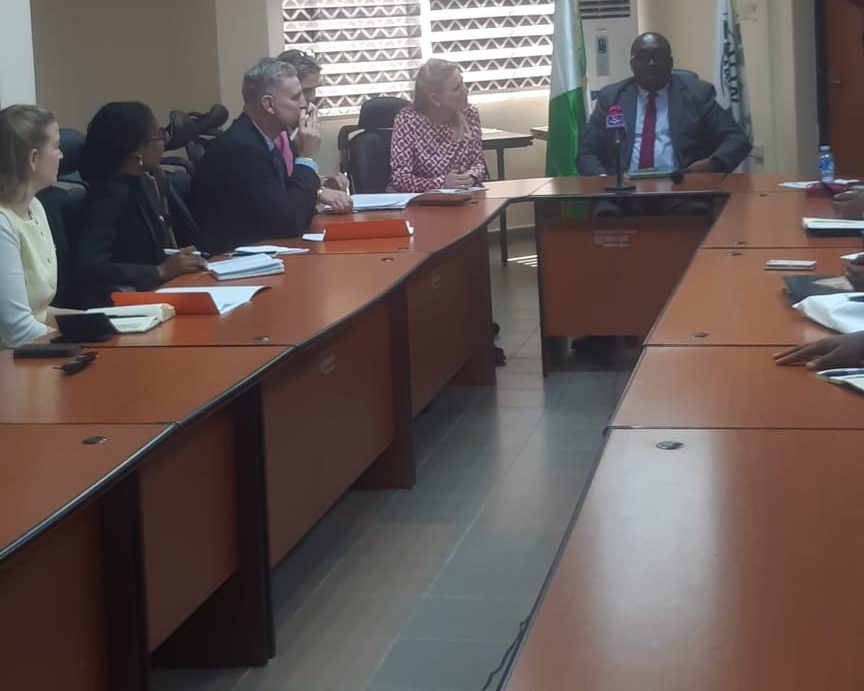
Representing the Executive Secretary, Dr. Tony Ojukwu, the Commission’s Human Rights Adviser, Dr. Hiliary Ogbonna, explained that the visit provided an opportunity for the Dutch delegation to understand the Commission’s statutory mandate and obtain a broader assessment of Nigeria’s human rights situation.
He noted that Nigeria’s forthcoming membership of the United Nations Human Rights Council would provide an important platform for strengthening the country’s international human rights engagement.
The Commission also highlighted the need for stronger institutional partnerships to support its mandate and improve its capacity to address human rights challenges.
Heads of departments and directors participated in the engagement to explain their respective responsibilities, institutional capacities and areas where international cooperation could produce practical results.
The Commission expressed optimism that the engagement would lead to renewed cooperation, including a proposed return visit by the Netherlands ambassador, who was represented at the meeting by the Deputy Ambassador.
Freedom of Religion Tops Human Rights Cooperation Agenda
Freedom of religion emerged as one of the major issues discussed during the meeting.
According to the Commission, the Dutch delegation identified religious freedom as an important human rights concern attracting international attention in relation to Nigeria.
The NHRC, however, emphasised the importance of examining religious freedom from a comprehensive human rights perspective, noting that violations and restrictions affecting religious freedoms should be considered within the broader context of fundamental rights.
The Commission disclosed that it maintains records relating to freedom of religion in Nigeria and plans to introduce a capacity-building programme on the subject in 2027.
It expressed the hope that the Netherlands would support the proposed programme as part of efforts to strengthen institutional capacity, improve understanding of religious freedom and promote the protection of fundamental rights.
NHRC Seeks Dutch Support for Human Rights Monitoring and Documentation
Human rights monitoring and documentation were also identified as priority areas for possible cooperation.
The Commission specifically highlighted its monthly human rights dashboard, which provides information and documentation on developments in Nigeria’s human rights environment.
It expressed the hope that the Netherlands would support efforts to strengthen the platform and improve the Commission’s capacity for systematic human rights monitoring.
Effective monitoring and documentation, the Commission maintained, are essential for identifying violations, tracking developments, improving institutional responses and strengthening accountability.
Protection of Women and Children Identified as Priority
The protection of vulnerable populations, particularly women and children, also featured prominently in the discussions.
The Commission called for international support to strengthen existing mechanisms for protecting vulnerable groups against human rights violations, discrimination, exploitation and abuse.
It identified this area as another opportunity for meaningful cooperation between the NHRC and the Dutch government.
The proposed partnership is expected to contribute to improved institutional capacity and more effective responses to the human rights challenges confronting vulnerable populations.
NHRC Raises Concerns Over Civic and Political Space Ahead of Elections
With Nigeria approaching another electoral cycle, the Commission also presented concerns regarding the protection and expansion of civic and political space.
Dr. Ogbonna explained that the Commission was particularly concerned about the ability of civil society organisations, journalists and human rights defenders to operate without harassment or intimidation.
He identified freedom of assembly and freedom of association as constitutionally guaranteed rights that must be protected.
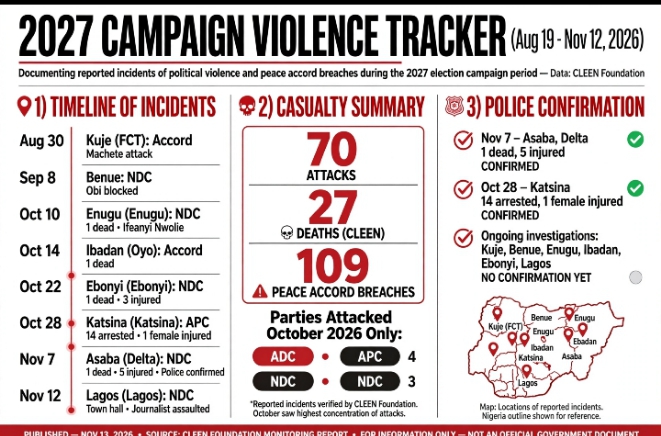
The Commission expressed concern over reported disruptions of political campaigns and other activities, maintaining that citizens and organised groups must be able to exercise their constitutional freedoms without undue interference.
It stressed that the protection of civic space remains fundamental to democratic participation and accountability.
Political Interference and Electoral Rights Under Scrutiny
On the political front, the Commission highlighted the importance of ensuring that political candidates can freely campaign and participate in the electoral process without political, security-related or judicial interference.
It also emphasised the right of citizens to vote and defend their votes.
According to the Commission, these concerns were independently presented to the Dutch delegation as part of its current institutional priorities.
The NHRC maintained that protecting political participation, electoral freedoms and citizens’ democratic rights falls within its responsibility to promote and protect human rights.
It further disclosed that it was working on initiatives aimed at expanding civic and political space in the period leading up to the elections.
Media Freedom and Civil Society Critical to Democratic Development
The Commission reiterated the importance of protecting journalists, media organisations and civil society groups, particularly during election periods.
It maintained that the media and civil society are central to democratic accountability, public participation and the protection of fundamental rights.
The NHRC stressed that journalists, civil society organisations and human rights defenders must be allowed to perform their responsibilities without harassment, intimidation or unnecessary restrictions.
It also emphasised that the protection of civic space should not be limited to election periods but must remain a continuous commitment in a democratic society.
According to the Commission, the ability of the media and civil society to operate freely is essential to sustaining democratic institutions and promoting respect for the rule of law.
Nigeria’s UN Human Rights Council Membership Presents New Diplomatic Opportunities
Nigeria’s anticipated commencement of membership of the United Nations Human Rights Council in January 2027 formed an important background to the diplomatic engagement.
For the NHRC, the development presents an opportunity to strengthen Nigeria’s international human rights relations and deepen partnerships with countries and organisations committed to human rights promotion and protection.
The Commission’s proposals to the Netherlands reflect its desire to translate diplomatic goodwill into practical institutional cooperation, particularly in religious freedom, human rights documentation, protection of vulnerable groups and democratic participation.
The Dutch delegation’s acknowledgement of existing bilateral and multilateral cooperation also points to opportunities for continued engagement through international institutions, including the United Nations and the African Union-European Union framework.
Timeline of Events
- November 2026: Deputy Director-General for Political Affairs of the Netherlands Ministry of Foreign Affairs, Ms. Guusje Korthals Altes, leads a delegation on a courtesy visit to Nigeria’s National Human Rights Commission.
- January 2027: Nigeria is expected to commence its membership of the United Nations Human Rights Council.
- 2027: NHRC plans to launch a capacity-building programme focusing on the right to freedom of religion.
Beyond Diplomatic Engagement to Measurable Human Rights Outcomes
The engagement between the Kingdom of the Netherlands and Nigeria’s National Human Rights Commission highlights the growing importance of international cooperation in addressing human rights challenges and strengthening democratic institutions.
The remarks by Ms. Guusje Korthals Altes reinforced the Netherlands’ recognition of human rights as a central component of state development, democracy and the rule of law, while the Commission’s presentation outlined specific areas where bilateral cooperation could produce practical outcomes.
As Nigeria prepares to assume membership of the United Nations Human Rights Council in January 2027, the country’s international human rights commitments will increasingly attract attention.
However, the significance of this diplomatic engagement will ultimately be measured not simply by meetings and expressions of goodwill but by tangible improvements in the protection of fundamental freedoms, the expansion of civic and political space, institutional accountability and the protection of vulnerable populations.
The anticipated continuation of discussions between the NHRC and the Netherlands Embassy could provide an opportunity to transform the renewed engagement into sustainable institutional cooperation.


Leave a Reply