

Production hike comes despite lingering geopolitical uncertainties, with Brent crude retreating to pre-war levels as markets anticipate improved global oil flows
By A1NEWS International
VIENNA, Austria | July 6, 2026
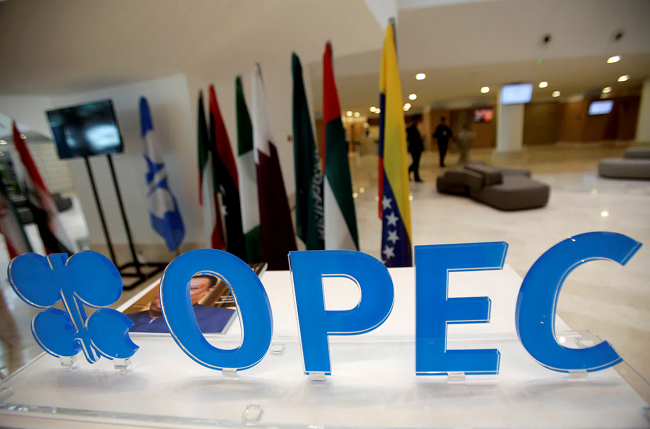
The Organisation of the Petroleum Exporting Countries and its allies (OPEC+) has approved a further increase in crude oil production of 188,000 barrels per day (bpd) beginning in August, signalling renewed confidence in the stability of global energy markets despite recent geopolitical tensions in the Middle East.
The decision, announced following the alliance’s latest ministerial meeting on Sunday, comes as international crude prices continue to soften amid expectations of improved oil exports through the strategically vital Strait of Hormuz and signs that global supply disruptions are gradually easing.
For Nigeria and other oil-dependent economies, the latest production adjustment presents both opportunities and challenges, as higher production quotas may be offset by weaker global oil prices, potentially affecting export revenues and fiscal projections.
OPEC+ Extends Production Rollback
According to a statement issued after the meeting, the production increase forms part of the alliance’s phased reversal of voluntary supply cuts introduced in 2023 to stabilize the global oil market.
The August increase follows similar production adjustments implemented in June and July as OPEC+ gradually restores crude volumes previously withheld from the market.
The seven core producers managing the monthly supply strategy include:
- Saudi Arabia
- Russia
- Iraq
- Kuwait
- Algeria
- Kazakhstan
- Oman
Together, the countries have restored nearly 800,000 barrels per day between April and July under the ongoing production adjustment programme.
Supply Recovery Follows Strait of Hormuz Reopening
The latest production increase comes against the backdrop of improving oil exports following the gradual reopening of the Strait of Hormuz, one of the world’s most strategically important maritime oil routes.
The waterway, through which roughly one-fifth of global crude oil shipments pass, experienced significant disruptions during the recent conflict involving the United States, Israel and Iran.
The temporary interruption affected exports from several major Gulf producers, including Saudi Arabia, Iraq and Kuwait, reducing actual OPEC+ output despite higher production quotas.
Industry analysts say improved shipping access has restored market confidence and reduced fears of prolonged supply shortages.
Actual Output Remains Below Target
Despite successive quota increases, OPEC data indicate that actual production remains below planned levels.
Group output reportedly declined significantly during the height of the regional conflict before beginning a gradual recovery in June as export logistics improved.
Market observers note that production constraints have been driven more by operational and geopolitical factors than by policy decisions.
As transportation routes continue to normalize, analysts expect actual production to move closer to officially approved targets in the coming months.
Oil Prices Retreat to Pre-War Levels
The announcement comes as international oil prices continue to decline from the sharp spikes recorded earlier this year.
Brent crude traded around 72 dollars per barrel at the close of trading on Friday, a significant drop from the highs above 120 dollars per barrel recorded during the peak of Middle East hostilities.
Several factors have contributed to the downward trend, including:
- Improved global supply expectations.
- Reduced crude imports by China.
- Increased production from non-OPEC producers.
- Coordinated releases from strategic petroleum reserves by members of the International Energy Agency (IEA).
- Growing optimism over diplomatic efforts to reduce tensions involving Iran.
Energy traders increasingly believe global oil supply will continue to stabilize if diplomatic engagements prevent further disruptions in the Gulf region.
Internal Challenges Persist Within OPEC+
Beyond managing production levels, OPEC+ continues to confront internal structural challenges.
The alliance recently lost one of its major members after the United Arab Emirates (UAE) formally exited the production agreement, citing its desire to maximize national production capacity without quota restrictions.
Meanwhile, Iraq has reportedly continued pressing for higher production allocations to reflect its expanding output capability.
These developments have raised fresh questions about long-term cohesion within the producer alliance as member states seek to balance national economic interests with collective market stability.
Implications for Nigeria
For Nigeria, Africa’s largest crude oil producer and an OPEC member, the decision carries mixed economic implications.
Higher production allowances could provide opportunities to increase export volumes if domestic production challenges—including crude oil theft, pipeline vandalism and operational constraints—are addressed.
However, lower international crude prices could reduce government revenues, foreign exchange earnings and budgetary receipts, particularly as Nigeria’s fiscal projections remain heavily dependent on oil exports.
Energy economists note that Nigeria’s overall earnings will depend less on quota allocations and more on its ability to consistently meet production targets while maintaining competitive export volumes.
Market Outlook
Energy analysts expect OPEC+ to continue closely monitoring:
- Global demand recovery.
- Chinese crude imports.
- Geopolitical developments in the Middle East.
- Inflation and monetary policies in major economies.
- Supply growth from non-OPEC producers.
Future production adjustments are likely to remain data-driven as the alliance seeks to balance market stability with member states’ revenue objectives.
The latest OPEC+ decision to increase oil production by 188,000 barrels per day from August reflects cautious optimism that global supply conditions are improving following months of geopolitical uncertainty.
While easing tensions in the Middle East have helped calm energy markets, the alliance still faces significant challenges, including internal disagreements, shifting global demand patterns and volatile crude prices.
For oil-exporting nations such as Nigeria, the coming months will test whether higher production opportunities can compensate for softer oil prices in sustaining economic growth and government revenues.










Leave a Reply