
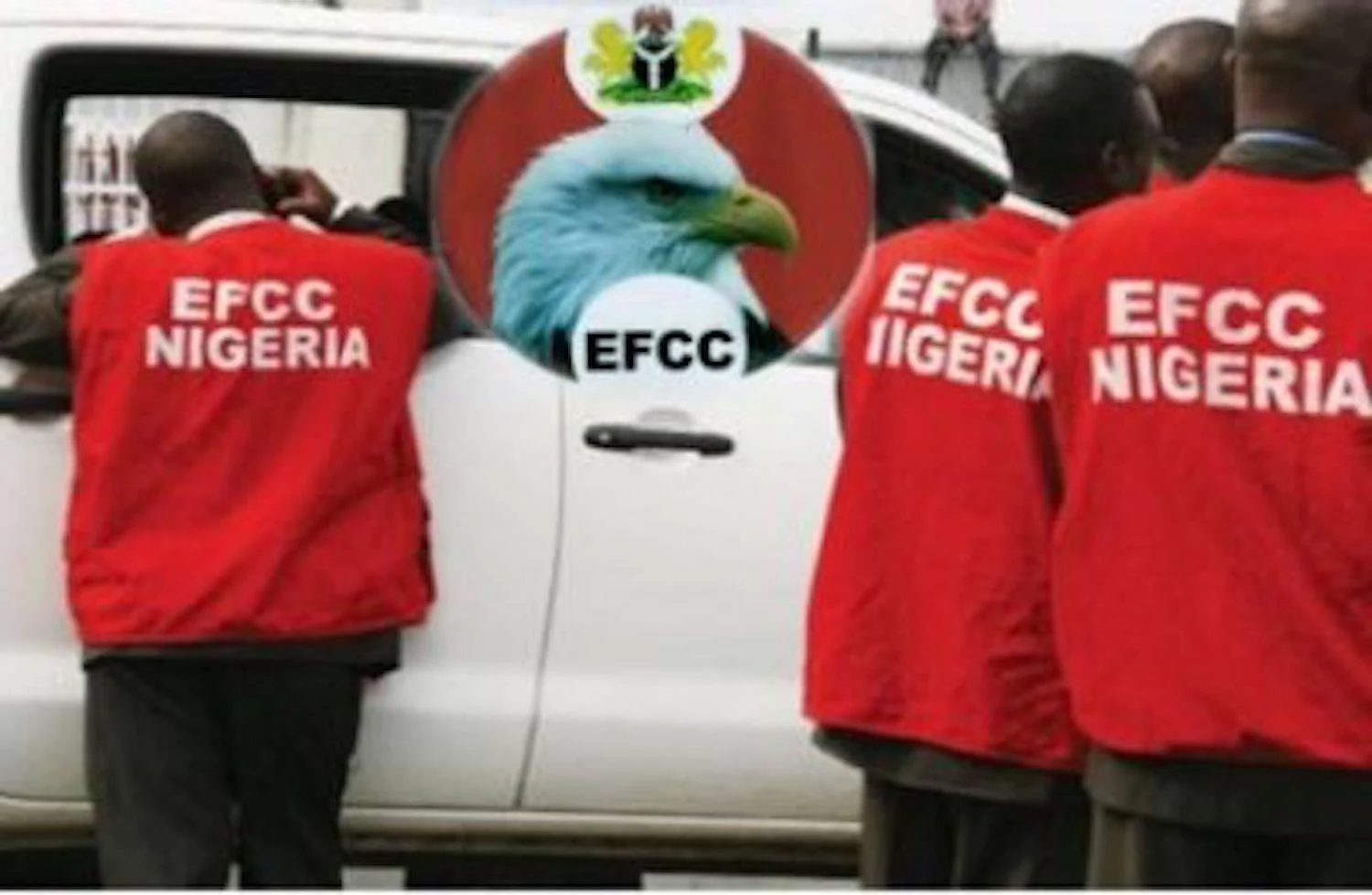
Anti-graft agency donates recovered hostel facilities to the Federal Ministry of Education as President Tinubu’s administration channels forfeited assets into public education and youth development.
By A1NEWS International
ABUJA, Nigeria — July 8, 2026
The Economic and Financial Crimes Commission (EFCC) has transferred 1,452 recovered assets seized from the proceeds of financial crimes to the Federal Ministry of Education, marking another step in the Federal Government’s policy of converting confiscated criminal assets into public infrastructure.
The recovered items—including hundreds of bunk beds, mattresses and hostel furniture—will be distributed to Federal Government Colleges (Unity Schools) across Nigeria to improve student accommodation.
The handover, which took place in Abuja on Tuesday, underscores the government’s strategy of redirecting assets forfeited through anti-corruption operations toward sectors considered critical to national development, particularly education.
Recovered Assets Handed Over to Education Ministry
At the official ceremony, EFCC Chairman Ola Olukoyede presented the recovered items to the Minister of Education, Dr. Tunji Alausa.
The assets handed over comprise:
- 501 double-step bunk beds
- 939 mattresses
- 12 wooden beds with mattresses
The total number of recovered items transferred to the ministry stands at 1,452.
According to the EFCC, the assets were legally forfeited to the Federal Government following successful investigations and court proceedings.
Operation Eagle Flush Behind Recovery
Olukoyede disclosed that the recovered items were obtained during Operation Eagle Flush, a nationwide anti-cybercrime and financial crime operation conducted by the Commission in late 2024.
Describing the exercise as the largest single operation ever undertaken by the EFCC, the chairman said the operation resulted in the arrest of:
- 792 suspects, and
- 193 foreign nationals.
He explained that following investigations and prosecutions, those convicted served their respective jail terms before the foreign nationals were deported in accordance with Nigerian law.
The EFCC maintains that the operation dealt a significant blow to organised cybercrime networks operating across the country.
Tinubu’s Directive: Let Victims of Corruption Benefit
Olukoyede said the decision to transfer the recovered assets to the education sector followed a directive by President Bola Ahmed Tinubu, who believes young Nigerians should become the primary beneficiaries of assets recovered from corruption.
According to him:
“Children and the youth are the greatest victims of corruption and financial crimes. Therefore, they should naturally be the first beneficiaries of recovered proceeds.”
The EFCC chairman noted that rather than allowing forfeited assets to remain idle, government policy now prioritises their deployment to projects with direct social impact.
Recovered Assets Already Supporting Education
The latest donation is not the first instance in which confiscated assets have been redirected to education.
Olukoyede recalled that a university facility forfeited to the Federal Government was previously handed over to the Ministry of Education and later converted into the Federal University of Applied Sciences, Kachia, in Kaduna State.
He described the development as an example of how recovered public assets can be transformed into long-term investments benefiting future generations.
Recovered Funds Also Backing Student Loan Scheme
Beyond physical infrastructure, the EFCC revealed that recovered proceeds of crime have also contributed to financing Nigeria’s student loan programme under the Nigerian Education Loan Fund (NELFUND).
According to Olukoyede, over 1.4 million Nigerian students have already benefited from the scheme.
He argued that expanding access to higher education would reduce the number of young people vulnerable to cybercrime and financial fraud.
“So today, those who never imagined attending school now have that opportunity,” he said.
The EFCC chairman added that education remains one of the most effective long-term crime prevention strategies.
EFCC Pledges Transparency in Asset Management
Addressing concerns often associated with the disposal of recovered assets, Olukoyede assured Nigerians that the Commission remains committed to transparency and accountability.
“There is not a single kobo of recovered proceeds that will be diverted or misappropriated,” he said.
He pledged that every recovered asset would continue to be deployed strictly in accordance with the law and public interest.
Education Minister Commends EFCC
Receiving the items on behalf of the Federal Government, Minister of Education Dr. Tunji Alausa praised the EFCC for strengthening the fight against corruption while supporting national development.
He particularly commended the Commission’s focus on procurement-related corruption and cybercrime, describing them as areas that significantly affect public resources.
According to Alausa, President Tinubu considers education central to Nigeria’s long-term economic transformation.
He said investments in education form a key pillar of the administration’s ambition to build a $1 trillion economy.
NELFUND Seed Capital Came from Recovered Assets
One of the most significant revelations at the ceremony was the minister’s confirmation that the initial N50 billion seed funding for the Nigerian Education Loan Fund originated from recovered proceeds of crime.
According to Alausa:
“This fund would not have existed without the EFCC’s determination in recovering stolen public funds.”
He described the initiative as a practical example of converting illicit wealth into opportunities for Nigerian students.
Unity Schools to Receive Hostel Facilities
The Minister disclosed that the newly recovered hostel facilities would be distributed among Federal Government Colleges nationwide.
He noted that many Unity Schools face shortages of hostel accommodation and furniture.
The additional beds and mattresses are expected to improve living conditions for students while easing pressure on existing facilities.
Alausa assured Nigerians that the ministry would ensure transparent deployment of the recovered items.
Experts Highlight Symbolic Shift in Asset Recovery Policy
Governance experts say the handover reflects a broader shift in Nigeria’s anti-corruption policy—from merely confiscating illicit assets to ensuring that recovered resources produce measurable public benefits.
Analysts argue that directing forfeited assets toward education, healthcare and public infrastructure enhances public confidence in anti-corruption efforts while demonstrating tangible returns from law enforcement.
However, transparency advocates continue to stress the importance of independent monitoring to ensure recovered assets are properly documented, allocated and utilised.
The transfer of 1,452 recovered assets from the EFCC to the Federal Ministry of Education represents another milestone in the Federal Government’s effort to transform proceeds of crime into instruments of national development.
While the donation is expected to improve hostel facilities in Unity Schools and strengthen educational infrastructure, it also reinforces growing expectations that recovered public assets should be managed transparently and deployed in ways that directly improve the lives of Nigerians.
As the government expands this policy, stakeholders say continued accountability and public oversight will be essential to sustaining confidence in Nigeria’s anti-corruption drive.








Leave a Reply