
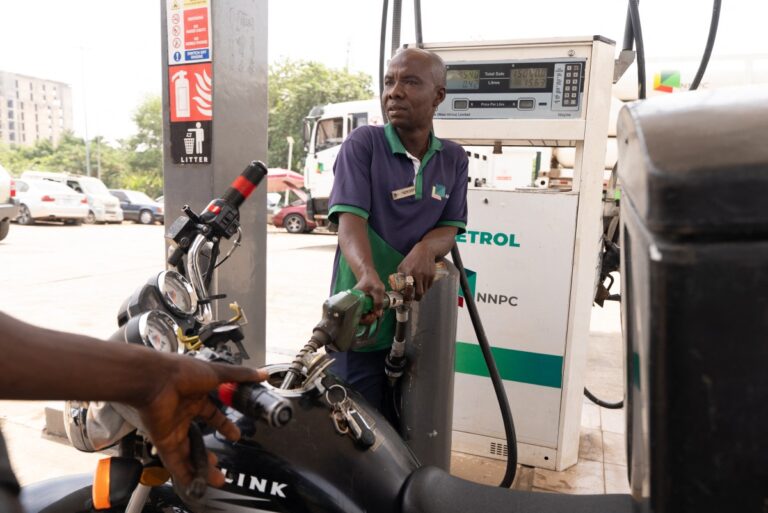
Global oil surge driven by Middle East tensions deepens pressure on Nigeria’s economy and fuel costs
By A1 News International
Abuja, Nigeria — March 24, 2026
The Petroleum Products Retail Outlets Owners Association of Nigeria (PETROAN) has outlined urgent measures for the Federal Government to cushion the impact of rising global oil prices, as petrol prices in Nigeria climb to about ₦1,300 per litre.
The recommendations come amid escalating Middle East tensions driving crude oil above $100 per barrel and intensifying economic pressure on households and businesses.
What Happened
Global oil markets have entered a new phase of volatility, with Brent crude rising above $100 per barrel following renewed geopolitical tensions in the Middle East.
The surge has already translated into higher domestic fuel prices. In Nigeria, the Dangote Petroleum Refinery increased the ex-depot price of Premium Motor Spirit from ₦1,175 to ₦1,245 per litre, citing global cost pressures and shipping expenses.
Retail prices have consequently climbed to around ₦1,300 per litre, triggering a ripple effect across transportation, food prices, and general cost of living.
Official Response
Speaking on the development, PETROAN National President, Billy Gilly-Harry, called for immediate policy interventions to mitigate the impact.
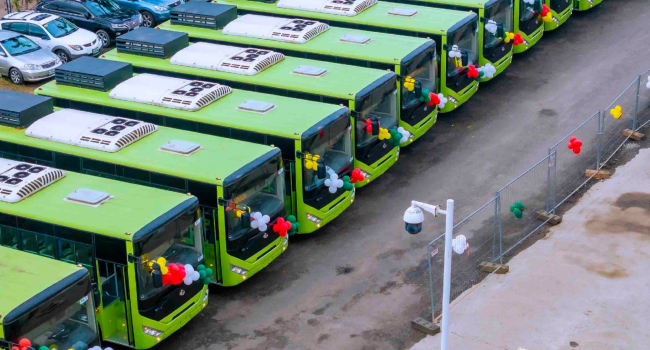
He urged the government to accelerate investment in gas infrastructure, particularly Compressed Natural Gas (CNG), as a sustainable alternative to petrol.
“One of the key solutions is to pursue gas alternatives aggressively. Nigeria has abundant gas resources, and expanding CNG infrastructure will reduce dependence on petrol,” he said.
Gilly-Harry also proposed targeted subsidies for commercial transport operators to ease rising transportation costs, warning that the burden of high fuel prices is cascading across the economy.
He further disclosed that PETROAN is in talks with government agencies to deepen gas penetration nationwide and improve energy resilience.
Background
The current oil price spike is linked to escalating tensions in the Middle East, which have raised fears of supply disruptions.
Global stakeholders, including the International Energy Agency, have warned that the crisis poses a “major threat” to the global economy, with no country immune to its effects.
In Nigeria, the situation is compounded by structural challenges, including heavy reliance on petrol and persistent electricity shortages that force businesses to depend on generators.
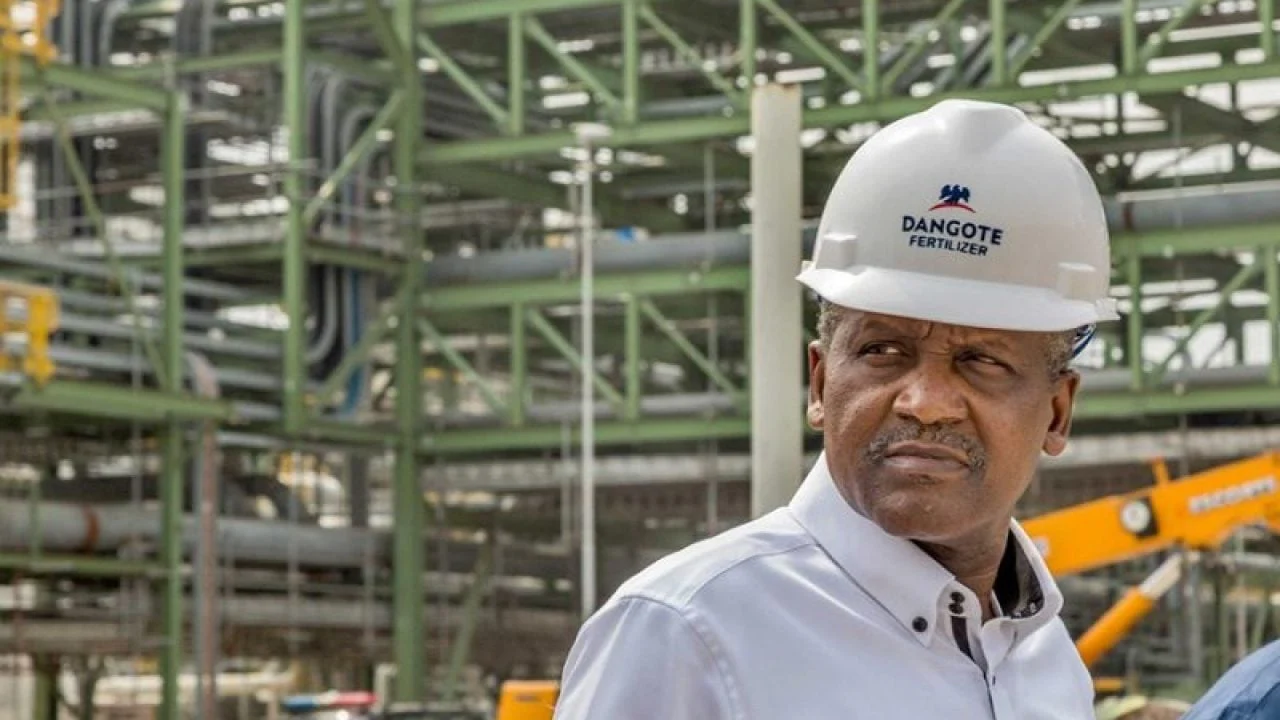
Industry leaders, including Aliko Dangote, have also cautioned that prolonged instability could worsen inflation and deepen economic hardship across Africa.
Why It Matters
The sharp rise in fuel prices is directly impacting transportation, food supply chains, and production costs, placing additional strain on already stretched household incomes.
Without policy intervention, sustained oil price volatility could accelerate inflation, weaken purchasing power, and slow economic recovery.
This is a structural vulnerability issue, not just a price shock. Nigeria remains exposed to global oil fluctuations despite being an oil-producing nation. The push for gas alternatives and targeted subsidies reflects a broader policy dilemma—whether to absorb shocks through fiscal support or accelerate energy transition. The choices made now will determine whether the country builds resilience or remains trapped in recurring cycles of fuel-driven economic stress.






Leave a Reply