
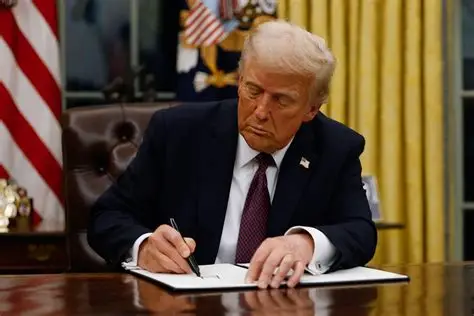
US president says diplomacy has been given another chance after shelving what he described as a potentially unprecedented military assault, while Tehran disputes key claims surrounding the proposed negotiations.
By A1NEWS International
WASHINGTON, D.C. / TEHRAN — August 3, 2026
United States President Donald Trump has announced that fresh diplomatic negotiations between Washington and Tehran are scheduled to begin on Monday, signaling another dramatic shift in the administration’s approach to the months-long confrontation with Iran.
The announcement came only hours after Trump declared that the United States had been fully prepared to launch what he described as one of the largest military offensives since the Second World War before deciding to suspend the operation in anticipation of a possible diplomatic breakthrough.
The latest development has renewed cautious optimism among global markets and international observers, although Iran has disputed several of Trump’s assertions, underscoring the fragile and uncertain nature of the proposed negotiations.
Trump Shifts from Military Threats to Diplomacy
Speaking aboard Air Force One and in posts published on his Truth Social platform, President Trump said American forces had been fully mobilised for what he called an overwhelming military response against Iran.
According to the president, the operation was cancelled after regional allies and intermediaries urged Washington to allow diplomatic efforts to continue.
Trump claimed the United States remained fully prepared to launch military action if negotiations failed.
“We’re ready to go anytime we want,” Trump told reporters, while adding that he was seeking a peaceful outcome rather than further bloodshed.
The president said discussions with Iranian representatives would begin on Monday afternoon but did not disclose the venue, participants or agenda.
Months of Escalating Tensions
Relations between the United States and Iran have remained volatile for months following repeated exchanges of military threats, retaliatory attacks and failed diplomatic initiatives.
Earlier this year, President Trump warned that Iran faced devastating consequences if it refused negotiations over its nuclear programme and regional security concerns.
One such warning led to direct talks reportedly facilitated in Pakistan and spearheaded by Vice-President JD Vance.
Despite raising hopes of de-escalation, those negotiations ended without a comprehensive agreement, allowing hostilities to continue.
The renewed diplomatic initiative therefore represents another attempt to prevent the conflict from expanding into a broader regional war.
Regional Allies Push for Restraint
Trump revealed that several key Middle Eastern partners urged him to postpone military action.
Among those he specifically mentioned were:
- Saudi Arabia’s Crown Prince Mohammed bin Salman;
- The United Arab Emirates;
- Qatar.
According to Trump, these regional leaders believed important elements of a diplomatic settlement had already been agreed.
He suggested negotiations were progressing on two major issues:
- Freedom of navigation through the Strait of Hormuz.
- Iran’s nuclear programme.
“The reason they asked is they think there’s a deal,” Trump said.
Regional governments have consistently warned that a full-scale military confrontation between Washington and Tehran could destabilise the Gulf, threaten global energy supplies and trigger wider geopolitical consequences.
Iran Rejects Trump’s Claims
Iran has so far refrained from officially confirming the proposed talks announced by the White House.
Tehran also strongly rejected Trump’s assertion that Iranian officials requested Washington to delay military operations.
Iran’s semi-official Mehr News Agency described the president’s remarks as “nothing but a new lie,” insisting no such request had been made.
Meanwhile, Iranian Foreign Minister Abbas Araghchi reportedly stated that separate negotiations being mediated by Oman concerning maritime security in the Strait of Hormuz were progressing positively and nearing completion.
The differing narratives from Washington and Tehran illustrate the continuing distrust between both governments despite renewed diplomatic engagement.
Strategic Importance of the Strait of Hormuz
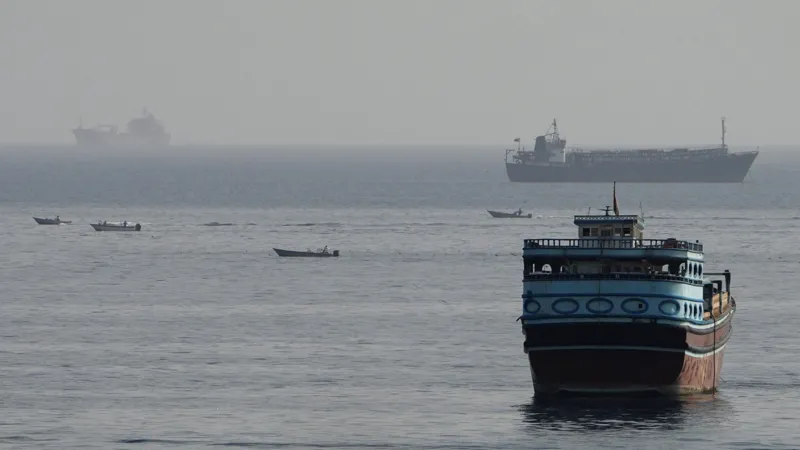
The Strait of Hormuz remains one of the world’s most strategically significant maritime corridors.
Approximately one-fifth of global crude oil exports and substantial volumes of liquefied natural gas pass through the narrow waterway connecting the Persian Gulf to international markets.
Any disruption to shipping through the strait immediately affects global energy markets.
Since fighting escalated earlier this year, investors have closely monitored developments, fearing interruptions to commercial shipping and energy exports.
Oil Markets Respond Positively
Financial markets reacted quickly to Trump’s announcement that military action had been suspended.
During Monday’s Asian trading session:
- Brent Crude declined approximately 4.5 percent to around $83.98 per barrel.
- West Texas Intermediate (WTI) crude fell roughly 4.6 percent to about $80.74 per barrel.
The decline reflected investor expectations that successful diplomacy could reduce immediate risks to oil production and shipping routes across the Gulf region.
Energy analysts caution, however, that prices remain vulnerable to sudden shifts should negotiations collapse or military hostilities resume.
Domestic Political Pressure Mounts
The Trump administration also faces increasing scrutiny at home over its handling of the Iran crisis.
Recent opinion surveys indicate that prolonged military confrontation and its economic consequences remain unpopular among many American voters, including sections of the Republican Party.
Higher fuel prices, inflationary pressures and uncertainty surrounding international trade have intensified domestic debate over whether diplomacy or military action offers the most sustainable path forward.
Nevertheless, President Trump has maintained that keeping military pressure on Tehran strengthens America’s negotiating position.
Questions Remain Unanswered
Despite announcing the talks, significant uncertainties remain.
The White House has yet to disclose:
- The location of the negotiations.
- The identities of participating officials.
- Whether international mediators will be involved.
- The framework under which negotiations will proceed.
- Any timeline for reaching a formal agreement.
Trump also declined to specify whether proposed military operations would have targeted Iranian energy infrastructure after legal experts warned such attacks could raise serious concerns under international humanitarian law.
Iran’s acting Defence Minister, Majid Ibn al-Reza, meanwhile reiterated that Tehran continues to treat every military threat from its adversaries as genuine, regardless of whether it is intended as psychological pressure.
International Community Watches Closely
Governments across Europe, the Middle East and Asia are expected to monitor Monday’s talks closely.
A successful diplomatic breakthrough could significantly reduce tensions in one of the world’s most volatile regions, safeguard global energy supplies and restore confidence to international markets.
Conversely, failure could quickly return both nations to the brink of direct military confrontation, with potentially severe humanitarian, economic and geopolitical consequences extending well beyond the Middle East.
President Donald Trump’s decision to suspend planned military action against Iran and pursue another round of negotiations represents the latest twist in an increasingly unpredictable confrontation between Washington and Tehran.
While the announcement has temporarily eased fears of an imminent military escalation and contributed to falling global oil prices, deep divisions remain between the two countries.
Iran’s rejection of Trump’s claims, coupled with unresolved disputes over nuclear activities and regional security, highlights the complexity of any potential agreement.
As diplomats prepare to meet, the world will be watching closely to determine whether this latest diplomatic effort marks the beginning of a lasting breakthrough—or merely another pause in an enduring geopolitical crisis.








Leave a Reply