
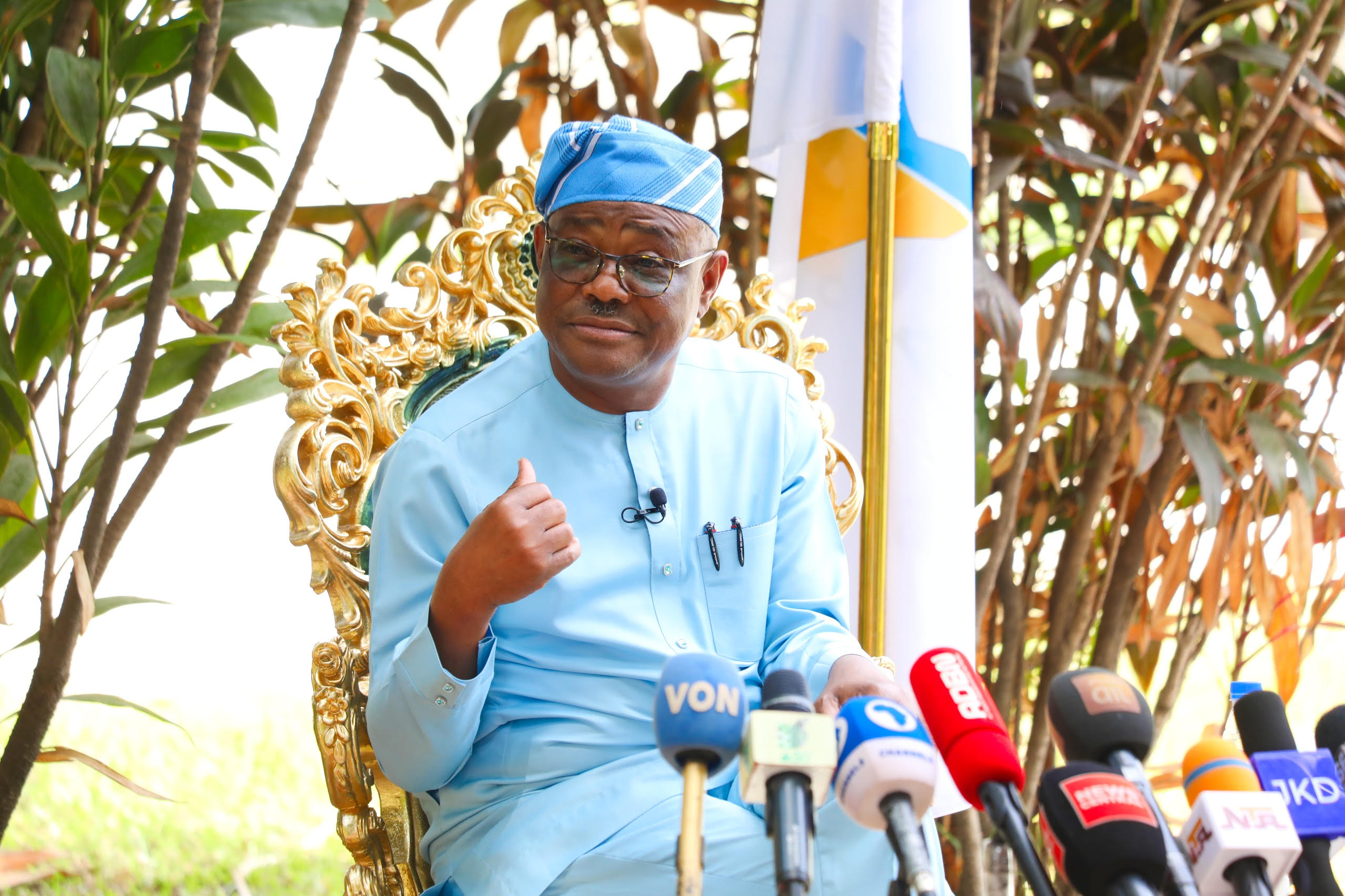
FCTA unveils stringent security measures ahead of 2027 elections as property owners face sanctions for hosting organisations not recognised by INEC
By Angela Udende / May 30, 2026
ABUJA, Nigeria — The Minister of the Federal Capital Territory (FCT), Nyesom Wike, has issued a stern warning to owners of hotels, event centres and public facilities across Abuja, threatening the revocation of land titles belonging to establishments that host political factions or organisations not recognised by the Independent National Electoral Commission (INEC).
The directive, announced by the Federal Capital Territory Administration (FCTA), marks one of the most far-reaching regulatory interventions in the political space ahead of the 2027 general elections and has already sparked debate over security, political freedoms and the limits of government authority in regulating political gatherings.
Officials say the move is intended to strengthen security and prevent activities capable of destabilising the nation’s capital amid rising political mobilisation, defections, coalition-building and internal party disputes across the country.
FCTA Unveils Tough New Monitoring Regime
In a statement issued by the Senior Special Assistant on Public Communications and Social Media to the FCT Minister, Mr. Lere Olayinka, the administration disclosed that event centres, hotels and other public facilities would now be subjected to closer scrutiny.
According to the statement, owners and managers of such facilities must ensure that organisations seeking to use their premises are operating legally and are duly recognised under existing laws and regulations.
The administration warned that any property found to be facilitating meetings or activities of organisations deemed illegal could face severe consequences, including the withdrawal of land allocation rights.
The statement declared:
“Going forward, title documents of any event centre, hotel or public building that is used for the gathering of illegal organisations will be revoked.”
Security Concerns Drive New Policy
The FCTA explained that the directive forms part of broader efforts to support security agencies in maintaining law and order within the Federal Capital Territory.
Authorities argue that Abuja, as the seat of government and the nation’s political headquarters, requires heightened vigilance, particularly as political activities intensify ahead of the 2027 elections.
Officials maintained that the administration has a responsibility to prevent public facilities from becoming venues for activities that could threaten public peace or fuel political instability.
According to the statement, increased monitoring would help identify and prevent gatherings capable of undermining security or causing disruptions within the territory.
Political Season Raises Stakes
Political analysts note that the timing of the announcement is significant.
Nigeria is already witnessing an unprecedented wave of political realignments, coalition negotiations, party defections and leadership disputes ahead of the next electoral cycle.
Several political parties are currently embroiled in internal crises, with competing factions laying claim to leadership positions and party structures.
Against this backdrop, the FCTA specifically instructed owners of hotels and event centres to verify the legitimacy of political groups seeking to rent their facilities.
The administration advised operators to transact only with party leaderships officially recognised by INEC and maintain proper documentation of all engagements.
“Owners of Event Centres and Hotels in particular must ensure that they only deal with INEC recognised leadership of political parties in respect of the use of their facilities, and proper records of transactions must be kept,” the statement added.
Legal And Constitutional Questions Emerge
While the FCTA insists the directive is rooted in security concerns, legal experts and civil society observers have begun raising questions about implementation and enforcement.
One major concern is the absence of a clear definition of what constitutes an “illegal organisation.”
Critics argue that ambiguity in the policy could create room for arbitrary interpretation, especially in situations involving political parties experiencing leadership disputes or ongoing court cases.
Constitutional lawyers also note that freedom of association and peaceful assembly remain protected rights under Nigerian law, raising questions about how the directive will be balanced against constitutional guarantees.
Observers warn that any attempt to apply the policy selectively could trigger legal challenges and political controversies.
Property Owners Face New Compliance Burden
For operators of hotels, conference centres and public venues, the directive introduces a new layer of responsibility.
Industry stakeholders say businesses may now be required to conduct additional due diligence before accepting bookings from political groups, civic organisations and advocacy movements.
Many operators fear they could become entangled in political disputes or face sanctions despite acting in good faith.
The threat of title revocation, in particular, has heightened concerns within Abuja’s hospitality sector, where political events constitute a major source of revenue.
Implications For 2027 Politics
Political observers view the directive as a sign of the increasingly intense political environment developing ahead of 2027.
As opposition coalitions emerge, party factions multiply and political actors reposition themselves for future contests, regulatory authorities are also stepping up efforts to maintain order and monitor political activities.
Whether the FCTA’s policy succeeds in enhancing security without infringing on political freedoms may depend largely on how transparently and consistently it is implemented in the coming months.
The Federal Capital Territory Administration’s warning to hotels and event centres represents a significant escalation in efforts to regulate political activities within Abuja ahead of the 2027 elections.
While authorities insist the policy is necessary to safeguard security and public order, questions remain about its legal scope, enforcement mechanisms and potential impact on political participation.
As political tensions continue to rise nationwide, the directive is likely to remain at the centre of debates over security, democracy and constitutional rights in Nigeria’s capital.








Leave a Reply