

New TransComs initiative to integrate rural economies, boost productivity and attract investment
By Aderonke Unigbe | Ibadan, Nigeria | May 3, 2026
A major shift in Nigeria’s rural development strategy is underway as the Southwest Development Commission (SWDC) prepares to roll out an ₦80 billion initiative aimed at restructuring rural economies through cluster-based growth.
The programme, set for unveiling in Ibadan between May 5 and May 6, is expected to bring together policymakers, development finance institutions, and private sector stakeholders to define implementation strategies.
At the core of the initiative is the Transformed Communities Programme (TransComs), a framework designed to reposition rural communities as integrated economic hubs rather than isolated settlements.
The model groups neighbouring villages into clusters, enabling them to function as coordinated centres of production, investment, and service delivery.
According to the Commission, the programme will impact 137 communities across the six states of Southwest Nigeria, with a focus on job creation, improved livelihoods, and sustainable economic growth.
Clusters will typically consist of three to five villages with populations ranging from 2,000 to 8,000 residents, transitioning them into structured production zones.
Multi-Sector Economic Integration
Within each cluster, development efforts will target seven key sectors: agriculture, agro-processing, energy, digital connectivity, healthcare, microfinance, and social protection.
This integrated approach is designed to address inefficiencies that have historically limited rural productivity while creating an enabling environment for long-term private investment.
The initiative will be implemented in collaboration with the Foundation for Technology Innovation and Sustainable Development, under the leadership of development economist Oyebanji Oyelaran-Oyeyinka.
Pilot Rollout and Expansion Plans
Early-stage deployment has already commenced, with Fapote and Ibapara selected as pilot communities. Additional expansion frameworks, including a joint development model for Ogbomoso, are expected to be finalised during the summit.
The two-day event will transition from policy discussions to concrete commitments. Day one will feature plenary sessions, sector dialogues, and a commitment forum, while day two will focus on formalising partnerships, agreements, and investment pledges.
The event will be hosted at the International Institute of Tropical Agriculture in Ibadan, serving as a coordination hub for stakeholders.
Addressing Structural Constraints
The SWDC emphasised that TransComs is designed to tackle longstanding structural challenges in rural economies, including inadequate storage systems, unreliable electricity supply, limited processing capacity, weak healthcare infrastructure, and restricted access to finance.
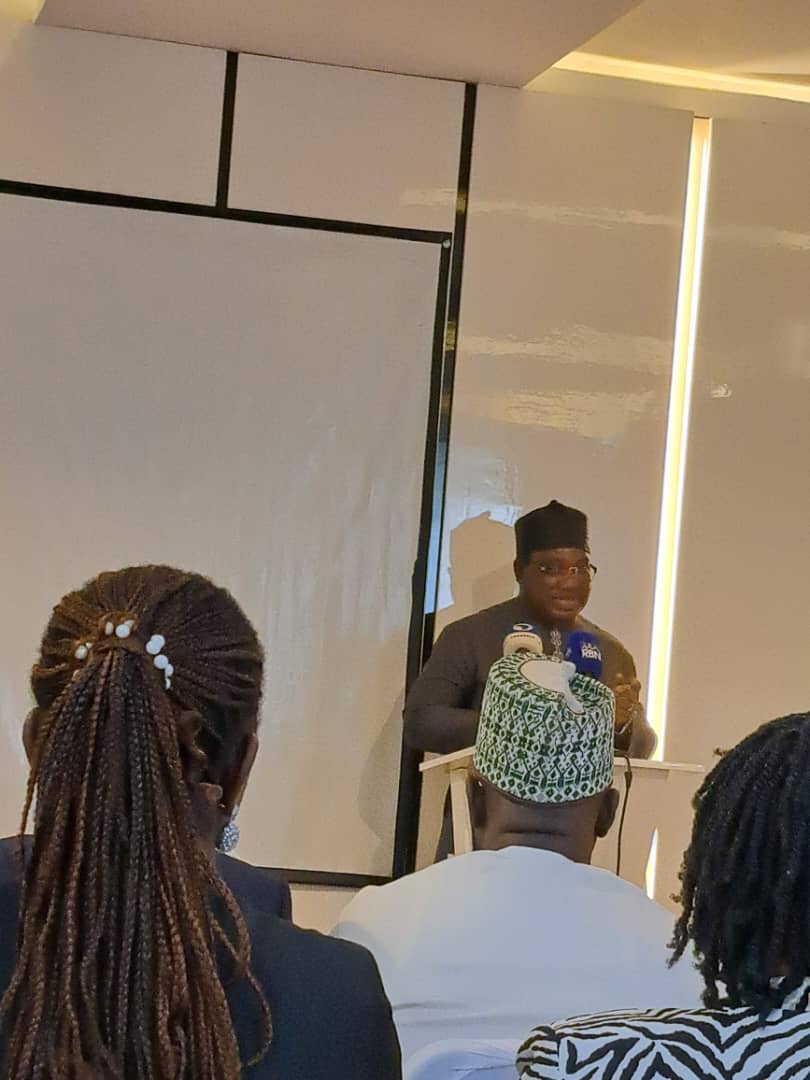
Speaking ahead of the unveiling, SWDC Chairman, Olubunmi Adetunmbi, described the programme as a transformative intervention.
“TransComs is the most serious attempt in a generation to organise the productive potential of Southwest Nigeria’s rural communities into a coherent economic programme,” he said.
He added that the initiative would directly confront infrastructure gaps limiting agricultural and industrial scale-up in rural areas.
As preparations intensify for the official launch, the ₦80 billion rural reform initiative is being positioned as a defining policy shift in regional development. If effectively implemented, the cluster-based model could redefine how rural economies in Southwest Nigeria are structured, financed, and sustained, setting a potential benchmark for national replication.







Leave a Reply