
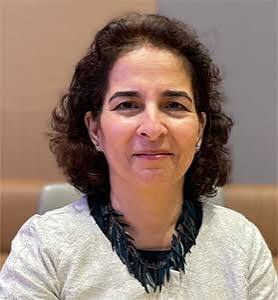
Special Rapporteur Says Freedom of Religion and Belief Remains Under Pressure Amid Violence, Impunity and Deepening Social Divisions
By A1NEWS International / June 19, 2026
ABUJA, NIGERIA –The United Nations Special Rapporteur on Freedom of Religion or Belief, Nazila Ghanea, has expressed deep concern over Nigeria’s worsening security situation, growing religious polarization, and persistent human rights violations, warning that millions of citizens continue to face threats to their fundamental freedoms.
Speaking during a press briefing organized by the National Human Rights Commission (NHRC) in Abuja following her official assessment mission to Nigeria, Ghanea presented preliminary findings from her team’s visit to Plateau and Kano States between June 8 and June 19, 2026.
The mission focused on evaluating the state of Freedom of Religion or Belief (FoRB) in Nigeria and its interaction with broader human rights concerns, including security, justice, discrimination, education, and access to livelihoods.
According to the UN envoy, the mission involved consultations with more than 200 stakeholders, including government officials, religious leaders, victims of violence, traditional rulers, lawyers, academics, civil society organizations, and community representatives.
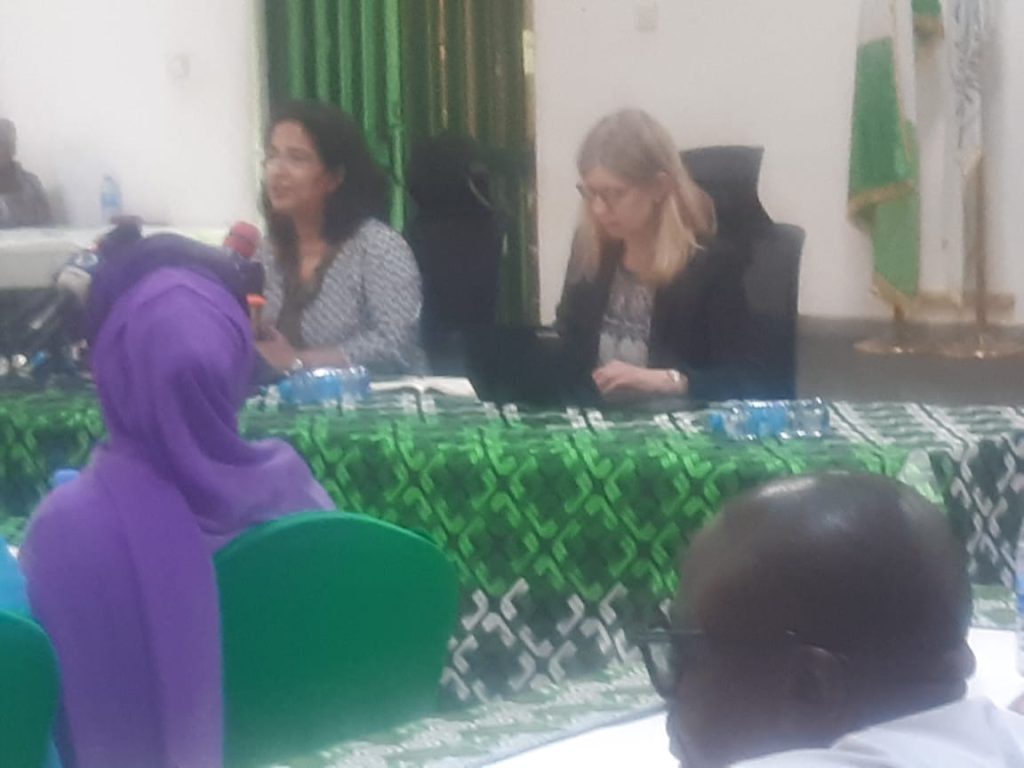
Nigeria’s Diversity Cannot Be Reduced to Religious Blocks
Ghanea described Nigeria as a “multi-everything country” whose complexity cannot be adequately captured by simplistic narratives dividing the nation into a Muslim North and Christian South.
According to her, Nigeria’s vast diversity—including its population, ethnic composition, cultural heritage, states, and local government areas—requires a more nuanced understanding of religious freedom and social dynamics.
She warned that reducing the country to competing religious blocs risks undermining individual freedoms and reinforcing divisions that fuel discrimination and conflict.
“The search for a single explanatory framework across Nigeria may be tempting, but it proves highly inadequate,” she stated.
Freedom of Religion Extends Beyond Worship
The Special Rapporteur emphasized that international human rights standards protect not only traditional religions but also indigenous spiritualities, non-theistic beliefs, atheism, and the right not to profess any religion at all.
She stressed that freedom of religion or belief encompasses far more than the right to worship.
According to her, it includes:
- Freedom to adopt, change, or abandon a religion or belief;
- Freedom from coercion in matters of faith;
- Protection from discrimination based on religion or belief;
- Equal access to employment, education, marriage, and public services;
- The right to express and manifest beliefs within limits prescribed by law.
She noted that these protections are binding on Nigeria through international human rights obligations and are reflected in Section 38 of the Nigerian Constitution.
Insecurity Dominated Every Conversation
While the mission was designed to assess freedom of religion and belief, Ghanea revealed that nearly every engagement eventually centered on insecurity.
She listed a wide range of threats affecting communities across Nigeria, including:
- Terrorism;
- Banditry;
- Kidnappings;
- Land grabbing;
- Cattle rustling;
- Armed conflicts;
- Hostage-taking;
- Arson attacks;
- Destruction of schools and places of worship;
- Mass displacement.
According to the UN envoy, many communities reported recurring attacks, loss of livelihoods, destruction of homes, and little confidence that perpetrators would be brought to justice.
She warned that impunity and lack of accountability have contributed significantly to the expansion of violence into regions previously considered relatively safe.
“What remains uncontested is that scores of innocent people experience killings, mass violence, and the total decimation of their livelihoods time and again, while reporting little or no justice,” she noted.
Victims Increasingly Describe Violence as Persecution
One of the most striking findings of the mission was the growing tendency among affected communities to characterize repeated attacks as persecution or even genocide.
Ghanea explained that while legal definitions of such crimes remain subject to rigorous judicial assessment, the perceptions of victims are shaped by repeated experiences of violence, displacement, and official inaction.
She recounted testimonies from individuals who reported being displaced multiple times over the last decade, each time losing homes, property, and family members.
“When everything in one’s world has been reduced to dust, when religious leaders are killed, places of worship destroyed, and justice appears absent, many victims naturally perceive themselves as targets of persecution,” she said.
The envoy stressed that human rights institutions must not dismiss or silence victims’ experiences simply because legal determinations have yet to be made.
Concerns Over Religious Identification in Public Processes
The UN expert also raised concerns about the continued requirement for religious identification in various administrative and institutional processes.
According to her findings, applicants for jobs, schools, pensions, security agencies, and some public services are often asked to disclose their religion.
Although some federal documentation systems have reportedly removed religious identification fields, she argued that the practice remains widespread and problematic.
She warned that making religion a mandatory category in public administration reinforces the perception that religious identity is the primary organizing principle of Nigerian society.
Such practices, she said, may encourage political manipulation of religious affiliations for power and economic advantage.
Marginalization of Minority Faith Communities
Beyond the dominant Christian-Muslim narrative, Ghanea highlighted concerns about the shrinking civic space available to minority religious communities and non-religious individuals.
She observed that public discourse often overlooks:
- Indigenous African traditional religions;
- Humanists;
- Atheists;
- Bahá’ís;
- Buddhists;
- Jews;
- Smaller Christian and Muslim denominations.
The UN envoy noted that excessive focus on religious blocs risks obscuring internal diversity within faith communities and undermining equal protection under the law.
Rise of Vigilante Groups Raises New Security Risks
The Special Rapporteur expressed concern over the increasing reliance on vigilante groups and community self-defense initiatives as communities attempt to protect themselves from attacks.
Across affected regions, residents described:
- Community patrols;
- Informal security networks;
- Road blockades during worship activities;
- Armed neighborhood watches;
- Local protection groups around schools and farmlands.
While acknowledging the desperation driving such measures, Ghanea warned that the proliferation of armed groups could further destabilize security conditions.
“My concern is whether the rise of self-help security arrangements could ultimately increase the circulation of weapons and heighten overall risks,” she stated.
Questions Over Blasphemy Laws and Parallel Legal Systems
The UN official also highlighted tensions arising from Nigeria’s parallel legal systems, particularly regarding blasphemy laws, criminal punishments, and personal status regulations.
She referenced concerns surrounding recent court cases and legal frameworks that some stakeholders believe conflict with constitutional guarantees of freedom of expression, religion, and non-discrimination.
According to her, these issues will receive more extensive analysis in the comprehensive report scheduled for presentation before the UN Human Rights Council in March 2027.
The envoy noted that some state authorities defended such laws as reflections of local culture and morality, while others argued they conflict with international human rights obligations.
Examples of Hope Amid Challenges
Despite the challenges, Ghanea identified several positive initiatives offering hope for long-term peace and religious coexistence.
These include:
- Community Police Committees (CPCs);
- Interfaith dialogue programs;
- Youth-led peacebuilding initiatives;
- Community reconciliation mechanisms;
- State peace-building agencies;
- Proposed security reforms, including state policing initiatives.
She also acknowledged efforts by security agencies, community leaders, and civil society groups working to reduce tensions and foster cooperation among diverse communities.
UN Envoy Commends Nigerian Civil Society
The Special Rapporteur concluded by praising Nigerian civil society organizations, victims’ groups, faith leaders, and youth advocates for their resilience and commitment to justice despite difficult circumstances.
She described Nigeria as a nation possessing immense human capital, expertise, and civic energy capable of advancing freedom of thought, conscience, religion, and belief for all citizens.
“There is no doubt that Nigeria has the expertise, the experts and inspirational youth to advance freedom of thought, conscience and religion for all on an equal footing,” she said.
However, she cautioned that significant work remains ahead.
The preliminary findings of the UN Special Rapporteur paint a complex picture of Nigeria’s religious freedom landscape—one marked by constitutional protections and vibrant civic engagement, yet overshadowed by escalating insecurity, persistent impunity, social polarization, and concerns over discrimination.
As Nigeria awaits the Rapporteur’s comprehensive report before the United Nations Human Rights Council in 2027, the findings are expected to intensify debates over security reforms, accountability mechanisms, religious tolerance, and the protection of fundamental human rights across Africa’s most populous nation.

Leave a Reply