
Reports of renewed mobilisation by Bello Turji’s network in Isa LGA deepen fears of escalating bandit capacity amid claims of tactical training, foreign-linked fighters, and expanding territorial control.
By Hassan Jinjiri – June 22, 2026
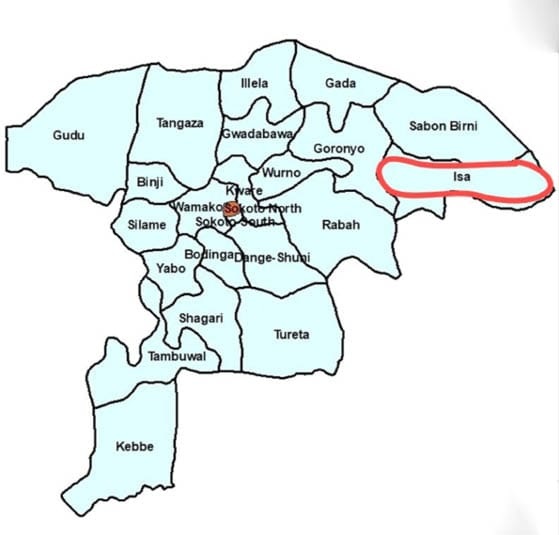
SOKOTO, Nigeria – Fresh intelligence reports and local accounts have triggered renewed security concerns in eastern Sokoto State following allegations that notorious bandit leader Bello Turji and his armed network are intensifying weapons training and tactical drills across communities in Isa Local Government Area.
The development, centred around border settlements along the volatile Sokoto–Zamfara axis, has raised alarm among residents who have endured years of sustained attacks, kidnappings, and cattle rustling linked to armed groups operating in the region.
Although official confirmation remains limited, multiple local sources and activist accounts suggest a possible escalation in the operational capacity of Turji’s network, including access to new weapons and expanded fighter recruitment.
Alleged Military-Style Training in Border Communities
Security-linked community sources claim that armed groups loyal to Turji have been conducting structured training exercises in remote settlements such as Bingabale, Bafarawa, Bargaja, and Gebe.
The areas, located within Sokoto’s Eastern Senatorial District, are widely considered strategic strongholds for bandit activity due to difficult terrain and weak security penetration.
Reports allege that the drills involve weapons handling, tactical manoeuvres, and coordination exercises using newly acquired firearms.
An activist, identified as Sokoto State Coordinator of the Movement for Social Justice and Good Governance, alleged in a social media post that the fighters are undergoing “military-style training with sophisticated weapons recently introduced into the camps.”
He further claimed that some participants include close associates of Turji, including individuals identified locally as Illa Manawa and Bomi.
Claims of New Weapons and External Combat Training Links
The activist further alleged that intelligence gathered from local sources indicates the arrival of fighters with advanced combat experience, possibly linked to extremist networks operating in the wider Sahel region.
According to the claims, some of the new entrants are believed to possess technical weapons-handling expertise and are actively involved in training Turji’s loyalists.
He also alleged that newly acquired equipment, including night-vision devices and other tactical gear, had recently been delivered to the group’s operational camps.
These claims, however, remain unverified independently as of the time of filing this report.
Security agencies have not confirmed any of the alleged arms movement or training activities.
Growing Network Allegations and Cross-Border Linkages
Further allegations suggest an emerging alliance between Turji’s network and other armed commanders operating across the Sokoto–Zamfara corridor.
Individuals identified as Kachalla Haru Dole and Kachalla Ibrahim Chimo were accused of facilitating arms movement and coordinating logistics across bandit-controlled zones beyond the Maradun River.
The claims also suggest an attempt to expand operational influence across multiple local government areas in eastern Sokoto, with possible coordinated attacks on administrative centres.
Security experts caution that such alliances, if confirmed, would significantly complicate counterinsurgency efforts in the Northwest.
Military Pressure, but Persistent Operational Capability
Despite sustained military operations under Operation Fansan Yamma and repeated government declarations targeting bandit leaders, Turji’s network has remained active across parts of Sokoto and Zamfara States.
In previous years, security authorities have described him as a “high-value target,” with military leadership repeatedly pledging to neutralise his operations.
However, the persistence of attacks and reported mobility of his fighters continue to raise questions about intelligence gaps and operational limitations in the region.
Recent Violent Incidents Linked to the Network
The latest concerns come amid a series of violent incidents attributed to armed groups operating in the area.
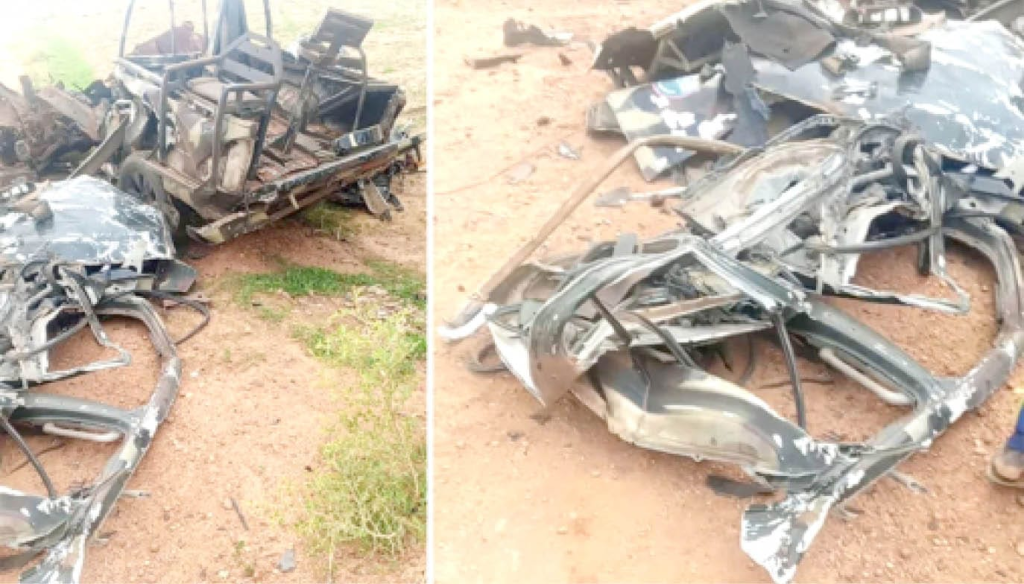
Recent reports include an attack in Bargaja community, Isa LGA, where an improvised explosive device (IED) reportedly targeted a military vehicle responding to distress calls.
Local sources confirmed that several soldiers were killed in the explosion, although official casualty figures remain unverified.
Residents also reported overnight raids involving sporadic gunfire and destruction of property in surrounding villages.
Video Claims and Propaganda Dimension
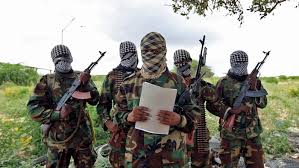
The situation escalated further following the circulation of a video allegedly released by Turji, in which weapons and armed fighters were displayed.
The activist who shared the footage claimed it was part of psychological messaging aimed at demonstrating operational strength following recent clashes with security forces.
Authorities have not confirmed the authenticity of the video.
Military and Police Response Status
As of press time, neither the Nigerian Army nor the Nigeria Police Force had issued an official statement addressing the latest allegations of weapons training or the circulated video.
Attempts to obtain confirmation from security spokespersons in Sokoto were unsuccessful.
However, security sources indicated that intelligence assessments are ongoing and that field commanders are monitoring developments across border communities.
Longstanding Pattern of Violence in the Region
Bello Turji’s network has been linked over the years to multiple high-profile attacks across the Northwest, including mass abductions, village raids, and assaults on military formations.
Past incidents attributed to his fighters include large-scale killings, destruction of settlements, and displacement of entire communities across Sokoto and Zamfara States.
In several cases, thousands of residents have been forced to flee their homes, with some crossing into neighbouring Niger Republic for refuge.
Political and Security Criticism Over Continued Operations
Local political representatives have repeatedly criticised the federal security response, arguing that sustained operations have failed to decisively dismantle armed networks operating in the region.
Some lawmakers have pointed to intelligence failures and delayed response mechanisms as key factors enabling continued instability.
Community leaders also report growing frustration among residents over persistent insecurity despite ongoing military deployments.
The latest allegations of renewed weapons training and tactical mobilisation by Bello Turji’s network mark a potentially significant escalation in the security dynamics of eastern Sokoto.
While these claims remain largely unverified independently, they align with a broader pattern of sustained violence and fragmented counterinsurgency outcomes in the Northwest.
With communities still exposed to repeated attacks, attention now turns to whether security agencies can verify and neutralise emerging threats before they translate into coordinated large-scale assaults.












Leave a Reply