
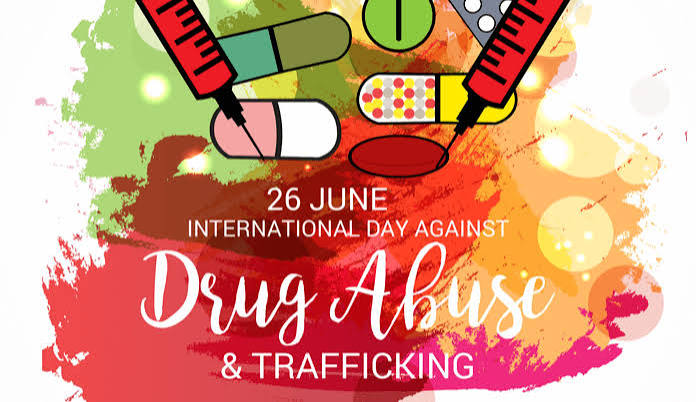
National Human Rights Commission says growing drug abuse and illicit trafficking are fuelling crime, insecurity, domestic violence and human trafficking, urging government to adopt a rights-based approach that prioritises treatment, rehabilitation and social reintegration over stigma and criminalisation.
By A1NEWS International – June 26, 2026
ABUJA, Nigeria – The National Human Rights Commission (NHRC) has raised fresh concerns over the escalating rate of drug abuse and illicit drug trafficking in Nigeria, warning that the growing crisis poses a significant threat to public health, national security, economic development and the protection of fundamental human rights.
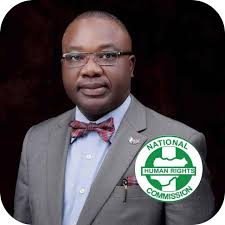
Commemorating the 2026 International Day Against Drug Abuse and Illicit Trafficking, the Executive Secretary of the Commission, Chief Tony Ojukwu, OFR, SAN, called for a comprehensive human rights-based approach to addressing substance abuse, insisting that individuals battling drug dependence deserve treatment, rehabilitation and dignity rather than discrimination and criminalisation.
The Commission argued that while law enforcement remains essential in combating illicit drug trafficking, sustainable solutions must address the social, economic and mental health factors driving substance abuse across the country.
Drug Abuse Emerging as National Human Rights Challenge
Chief Ojukwu described the increasing prevalence of substance abuse—particularly among Nigerian youths—as an alarming national emergency requiring coordinated intervention from government institutions, lawmakers, families, civil society organisations and community leaders.
He noted that beyond its public health implications, drug abuse has become a major catalyst for insecurity, violent crime, domestic violence, exploitation, human trafficking and other human rights violations.
According to him, these interconnected challenges continue to undermine citizens’ enjoyment of their constitutionally guaranteed rights and freedoms while placing enormous pressure on the country’s healthcare, justice and security systems.
“The increasing rate of drug abuse threatens not only public health but also human dignity, national development and the security of our communities,” he stated.
Human Rights Must Guide Nigeria’s Drug Control Strategy
The NHRC Executive Secretary maintained that efforts to combat drug abuse and illicit trafficking must remain firmly rooted in constitutional guarantees and internationally recognised human rights standards.
He explained that Nigeria’s response should reflect the provisions of the 1999 Constitution, which guarantees the rights to life, dignity, personal liberty and fair hearing.
He further cited the Mental Health Act 2021, the National Health Act 2022 and Nigeria’s obligations under several international legal instruments, including the International Covenant on Civil and Political Rights (ICCPR), the International Covenant on Economic, Social and Cultural Rights (ICESCR), the African Charter on Human and Peoples’ Rights and the United Nations Drug Control Conventions.
According to the Commission, balancing effective law enforcement with respect for human rights remains critical to achieving lasting success in the fight against illicit drugs.
Treatment, Not Stigma, for Drug Dependence
Chief Ojukwu emphasized that individuals living with drug dependence should not be subjected to discrimination, degrading treatment or social exclusion.
Instead, he advocated greater investment in accessible healthcare services, evidence-based rehabilitation programmes, psychosocial counselling and community reintegration initiatives.
He stressed that treating addiction primarily as a public health issue would produce better long-term outcomes than relying solely on punitive measures.
According to him, reducing stigma would encourage more individuals to seek professional help without fear of criminalisation or social rejection.
NHRC Pushes Harm Reduction and Legislative Reforms
The Commission disclosed that it has continued to champion public discourse on harm reduction strategies through national legislative forums and stakeholder engagements aimed at promoting evidence-based drug policies in Nigeria.
Chief Ojukwu called on the National Assembly to incorporate human rights safeguards into the proposed national policy on drug use quantification thresholds.
He urged lawmakers to ensure the proposed framework clearly distinguishes between individuals using controlled substances for legitimate medical or therapeutic purposes and those engaged in illicit trafficking or commercial distribution.
Such distinctions, he noted, would prevent people seeking treatment from being unnecessarily criminalised while enabling law enforcement agencies to focus resources on organised drug trafficking networks.
Stakeholders Urged to Intensify Prevention Campaigns
The NHRC appealed to government ministries, law enforcement agencies, educational institutions, parents, religious organisations, civil society groups and traditional leaders to strengthen public education campaigns aimed at preventing drug abuse, particularly among children and young people.
The Commission said sustained awareness, early intervention, family support and community engagement remain among the most effective tools for reducing substance abuse.
Chief Ojukwu also urged security agencies to intensify efforts against illicit drug trafficking while ensuring strict compliance with constitutional safeguards and international human rights standards during investigations, arrests and prosecutions.
Addressing Root Causes Beyond Law Enforcement
According to the Commission, long-term success in tackling drug abuse will depend on addressing the underlying socio-economic conditions that make individuals vulnerable to substance dependence.
Chief Ojukwu identified poverty, unemployment, social exclusion, inadequate educational opportunities and limited access to quality mental healthcare as major drivers of drug abuse across Nigeria.
He reaffirmed the Commission’s commitment to collaborating with relevant stakeholders to develop policies and programmes that address these structural challenges while promoting human dignity and social inclusion.
Collective Action Needed to Protect Nigeria’s Future
The NHRC called on all Nigerians to unite in building a society where drug abuse is prevented through education, compassionate healthcare, effective law enforcement and respect for human rights.
The Commission maintained that protecting the rights and dignity of every individual must remain central to Nigeria’s national response against drug abuse and illicit trafficking.
As Nigeria joins the global community to observe the 2026 International Day Against Drug Abuse and Illicit Trafficking, the NHRC has underscored the urgent need for a balanced strategy that combines robust law enforcement with healthcare, rehabilitation and human rights protection.
The Commission insists that defeating the country’s growing drug crisis requires more than arrests and prosecutions—it demands investments in prevention, mental health services, youth empowerment and policies that uphold human dignity while dismantling criminal drug networks.






Leave a Reply