
Commission says religious conflicts are often driven by poverty, politics, land disputes and weak governance rather than faith itself.
By A1NEWS International
ABUJA, Nigeria — July 14, 2026
The National Human Rights Commission (NHRC) has declared that freedom of religion remains one of the most fundamental human rights guaranteed under Nigeria’s Constitution and international human rights instruments, warning that the country’s growing security and social challenges cannot be resolved without protecting citizens’ right to freely practice, change or reject any religion.
The Commission also cautioned against portraying religion as the primary cause of Nigeria’s recurring conflicts, arguing that evidence increasingly points to deeper structural problems including poverty, competition for land, political manipulation, youth unemployment, weak governance and unresolved historical grievances.
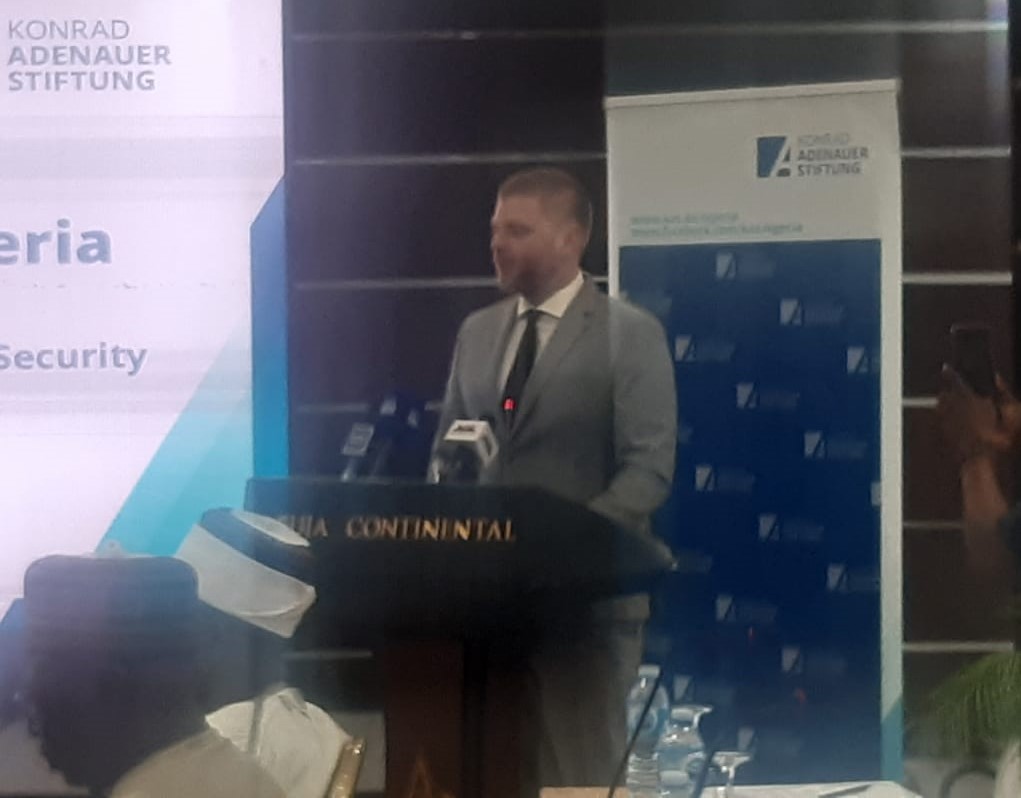
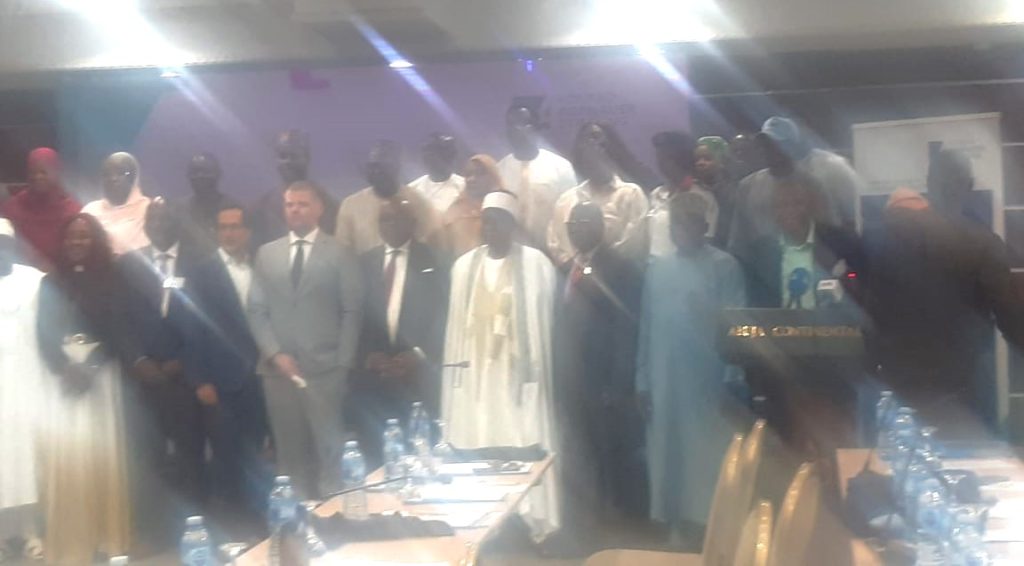
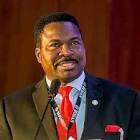
The Executive Secretary of the NHRC, Dr. Tony Ojukwu, SAN, made the remarks on Tuesday in Abuja during a high-level dialogue on religious freedom organised by the Konrad-Adenauer-Stiftung (KAS) under the theme:
“Freedom of Religion in Nigeria: Shaping a Future at Peace – Promoting Freedom of Belief, Development and Security.”
Dr. Ojukwu was represented at the event by Dr. Benedict Agu, Head of the Commission’s Monitoring Department.
Nigeria at a Defining Moment
Addressing participants drawn from government institutions, civil society organisations, religious leaders and development partners, Ojukwu described Nigeria as being at a critical point in its democratic journey.
According to him, the country continues to confront overlapping security threats, widening social divisions and difficult economic realities that demand inclusive, rights-based solutions.
He stressed that the protection of human rights remains the strongest foundation upon which peaceful coexistence, democratic governance and sustainable national development can be built.
“The Commission has consistently maintained that the protection of human rights is the surest foundation for national peace, democratic governance and sustainable development,” he said.
Freedom of Religion Is More Than a Constitutional Right
The NHRC boss emphasized that freedom of religion or belief extends beyond constitutional recognition and represents a universally protected human right.
He noted that Chapter IV of the 1999 Constitution of the Federal Republic of Nigeria (as amended) guarantees every Nigerian equal protection before the law regardless of religion, ethnicity, gender, political opinion or social status.
According to him, equality and non-discrimination must remain central to Nigeria’s nation-building efforts.
“Freedom of religion or belief is not merely a constitutional guarantee; it is a fundamental human right and a cornerstone of every democratic society.”
He urged government institutions, political actors and religious organisations to resist any attempt to exploit religious identities for political or sectional interests.
Religion Often Becomes the Vehicle—Not the Root Cause—of Conflict
Offering what observers described as a more nuanced assessment of Nigeria’s recurring communal violence, Ojukwu challenged the widespread narrative that religion alone fuels insecurity.
He argued that available evidence suggests that many violent conflicts commonly described as religious are actually rooted in longstanding socio-economic and political problems.
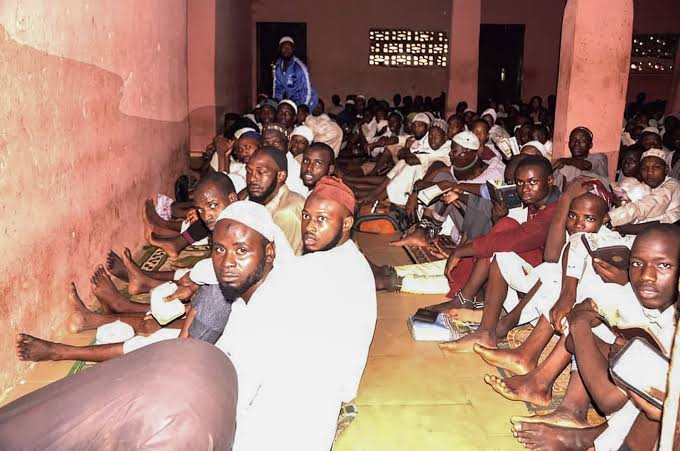
Among the factors identified were:
- Competition over land and natural resources;
- Political interests and elite manipulation;
- Ethnic tensions;
- Poverty;
- Youth unemployment;
- Weak governance structures; and
- Historical grievances.
According to him, religion frequently becomes the platform through which these unresolved structural challenges are expressed.
This assessment aligns with findings from several conflict studies that have identified economic inequality, governance failures and competition for scarce resources as major triggers of communal violence across parts of Nigeria.
NHRC Calls for Long-Term Institutional Reforms
The Commission advocated sustained institutional reforms aimed at protecting religious freedom while addressing the underlying causes of conflict.
Ojukwu proposed several measures, including:
- Treating freedom of religion strictly as a human rights issue;
- Preventing its manipulation for political, ethnic or sectional purposes;
- Institutionalising interfaith dialogue across communities;
- Expanding access to justice;
- Strengthening human rights education;
- Investing in agriculture, healthcare and youth employment; and
- Reviewing existing laws and public policies to ensure compliance with constitutional and international human rights obligations.
He maintained that protecting religious freedom requires coordinated action by government agencies, civil society organisations, religious leaders and development partners.
“No single institution can achieve these objectives alone,” he said while calling for stronger collaboration among stakeholders.
KAS: Nigeria’s Diversity Should Be Its Greatest Strength
Also speaking at the dialogue, the Resident Representative of Konrad-Adenauer-Stiftung (KAS), Moritz Sprenker, said the programme was designed to deepen conversations around religious freedom, peacebuilding and national development.
According to him, the dialogue explored the relationship between interfaith cooperation, religious dimensions of conflict and the broader connection between freedom of belief, development and national security.
Sprenker observed that Nigeria’s religious diversity should be viewed as an asset rather than a source of division.
“This is especially relevant in Nigeria, where the issue takes on particular significance. Nigeria’s religious diversity is not just a fact—it is one of our greatest strengths.”
He added that the future of plural societies depends less on their differences than on the collective decisions citizens make about peaceful coexistence.
“The destiny of a diverse society is not written by its differences, but by the choices we make together about how we live with them.”
Human Rights at the Centre of National Stability
The dialogue concluded with renewed calls for stronger partnerships among government institutions, religious organisations, civil society groups and international development partners to promote tolerance, protect constitutional freedoms and reduce identity-based tensions.
Participants agreed that safeguarding freedom of religion and belief remains essential not only for protecting individual rights but also for strengthening democratic governance, national unity and sustainable peace in Nigeria.
As insecurity and socio-economic pressures continue to test the country’s resilience, speakers maintained that respect for constitutional rights and equal protection under the law must remain at the heart of Nigeria’s democratic future.
The NHRC’s intervention reinforces an increasingly important policy argument: while religion is often visible during communal crises, deeper socio-economic and governance failures frequently drive conflict. By urging authorities to protect religious freedom while addressing structural inequalities, the Commission has positioned human rights as a critical pathway toward lasting peace, national cohesion and democratic stability.




Leave a Reply